When Should I Detail My Car? A Smart Schedule
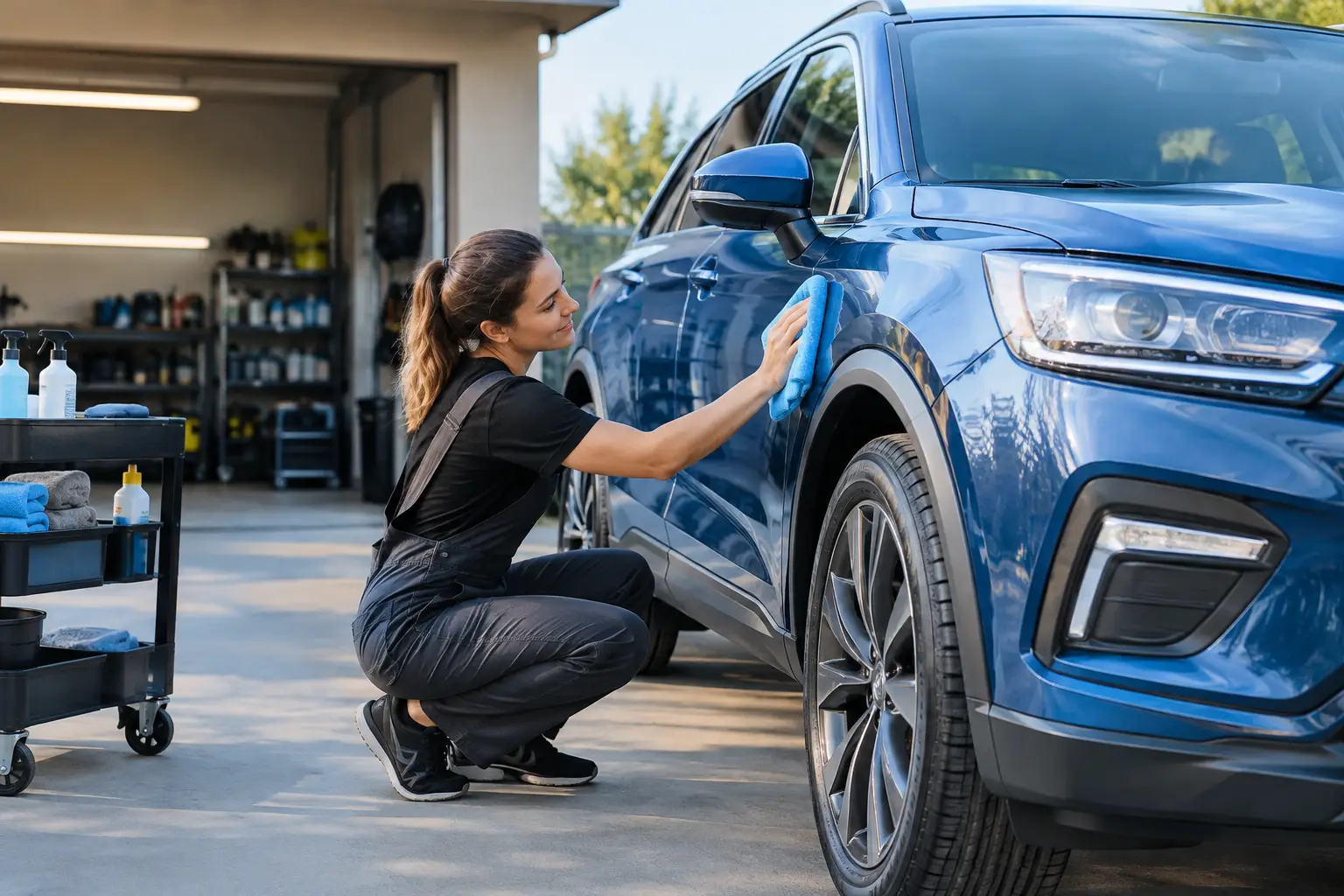
A clean car can still need professional detailing. Road film settles into paint, brake dust bonds to wheels, and interior oils slowly build up long before a vehicle looks neglected. So, when should I detail my car? For most Metro Detroit drivers, the answer is not simply when it looks dirty. It depends on how you drive, where you park, the season, and the level of protection already on the vehicle.
Professional detailing is preventive care as much as cosmetic care. The right schedule helps preserve gloss, reduce wear on interior materials, and make routine washing easier between appointments.
When Should I Detail My Car? Start With Your Driving Habits
A vehicle driven every day through Livonia, Detroit, or the surrounding suburbs is exposed to more than occasional dust. It sees rain, construction debris, road salt, pollen, bird droppings, tree sap, and traffic grime. These contaminants can dull paint and stain or etch surfaces when they sit too long.
For a typical daily driver, a full professional detail every four to six months is a practical baseline. That usually means two or three appointments per year, paired with regular maintenance washes at home or through a trusted professional. This schedule keeps buildup from becoming difficult to remove and gives paint, wheels, glass, and interior surfaces consistent attention.
Vehicles used lightly, stored indoors, or driven mainly in fair weather may only need a full detail every six to 12 months. On the other hand, rideshare vehicles, family SUVs, work trucks, and cars that spend most days outside often benefit from more frequent interior and exterior service. The goal is not to over-detail a vehicle. It is to address contamination before it becomes permanent damage.
Detail Before and After Michigan Winter
Winter is one of the strongest reasons to schedule detailing in Metro Detroit. Salt brine, slush, and wet road grime collect in wheel barrels, rocker panels, door jambs, and lower body areas. Those contaminants can linger even after a quick wash, especially when temperatures make thorough cleaning difficult.
A detail in late fall prepares the vehicle for the season ahead. This is a good time to deep-clean the exterior, treat tires and trim, clean glass, and make sure existing sealants or ceramic protection are performing as they should. Clean, protected surfaces release winter grime more easily during maintenance washes.
A second detail in early spring is equally valuable. Once the worst salt exposure has passed, a professional cleaning removes residue from tight areas and refreshes the vehicle after months of harsh conditions. Spring detailing also gives paint a cleaner, sharper appearance before pollen, rain, and summer driving begin.
If you can only schedule one major detail each year, spring is often the most useful choice for a Michigan daily driver. Still, a fall appointment provides meaningful protection for owners who want to stay ahead of winter contamination rather than correct it afterward.
Book a Detail When Contaminants Are Sitting on the Paint
Some messes should not wait for the next scheduled appointment. Bird droppings, bug splatter, tree sap, fuel spills, hard-water spots, and fresh road tar can damage or discolor surfaces depending on how long they remain in place. Sun and heat can make the problem worse.
Wash off fresh contamination as soon as possible using safe methods. If residue does not come off cleanly, or if the paint feels rough afterward, schedule professional service. Aggressive scrubbing, household cleaners, and dry wiping can create swirl marks or compromise clear coat.
A rough paint surface is another sign that detailing may be due. Even when a car is washed regularly, bonded contamination can make paint feel gritty. Professional decontamination removes embedded particles that a standard wash will not address. This is especially helpful before applying a sealant, ceramic coating, or paint protection film.
The Interior Has Its Own Timeline
Exterior dirt gets attention because it is easy to see. Interior wear is quieter. Skin oils transfer to steering wheels and touchpoints, crumbs settle into seams, and UV exposure dries out leather, vinyl, plastic, and trim. Odors can also develop gradually in carpet, upholstery, and cabin filters.
Most vehicles benefit from an interior detail every six months. Families with children, pet owners, commuters, and leased-vehicle drivers may want one every three to four months. Regular interior care matters because stains are easier to remove when they are fresh, and protected surfaces resist future buildup.
Leather is a good example. It should be cleaned carefully and treated with the appropriate protectant, but it does not need to be heavily conditioned every month. Overapplying products can leave a shiny, slippery finish that attracts dust. Proper detailing focuses on a clean, natural appearance and protection that suits the material.
If you notice a persistent odor, sticky touchpoints, faded trim, or stains that return after basic cleaning, it is time for more than a vacuum and wipe-down. Professional interior detailing can address the source rather than just masking it with fragrance.
Detail Before Selling, Trading In, or Returning a Lease
A professional detail is one of the most practical steps to take before listing a car for sale or turning in a lease. Buyers and appraisers notice first impressions immediately. Clean paint, clear glass, fresh wheels, and a well-kept cabin suggest that the vehicle has been cared for overall.
Detailing will not erase mechanical issues or make deep paint defects disappear, but it can improve presentation and help prevent small cosmetic issues from distracting from the vehicle's strengths. Paint correction may be worthwhile if swirl marks, light scratches, oxidation, or dullness are affecting the finish. The right level of correction depends on the car's age, condition, and expected return.
For a lease return, focus on areas that commonly show use: carpets, seats, door panels, cargo areas, wheels, and exterior paint. Scheduling the work a few weeks before turn-in gives you time to inspect the vehicle and decide whether any additional cosmetic repairs make financial sense.
New Cars Need Detailing Too
A new vehicle is not automatically a protected vehicle. It may have spent time outdoors, traveled by truck or rail, and been washed by multiple people before delivery. Dealership-installed products vary widely, and some new cars arrive with light defects, bonded contaminants, or swirl marks already present.
Detailing shortly after purchase is a smart time to establish a protection plan. A careful wash and paint inspection can identify what the surface needs before applying ceramic coating or paint protection film. Paint correction may be recommended first if the goal is a high-gloss finish with fewer visible defects beneath the protection.
Owners who plan to keep a vehicle long term usually see the greatest benefit from early protection. Those who lease may prefer a simpler detail and durable coating that makes regular cleaning easier throughout the lease term. The best service is not always the most extensive one. It is the one that fits how you will use and maintain the vehicle.
Signs You Should Not Put Detailing Off
Some conditions are clear signals that your regular wash routine is no longer enough:
- Water no longer beads or sheets cleanly off the paint.
- The finish feels rough after washing or looks dull in direct sunlight.
- Wheels have stubborn brown or black buildup that does not rinse away.
- Interior stains, odors, or pet hair keep returning.
- Clear coat shows swirls, light scratches, or hazy reflections.
- You are preparing for a sale, lease return, event, or seasonal change.
These signs do not always mean the vehicle needs extensive paint correction. Often, a thorough detail and appropriate protection can restore a noticeably cleaner, more refined result. A professional inspection helps separate normal maintenance needs from defects that require more involved work.
Build a Schedule Around Protection, Not Just Appearance
Ceramic-coated vehicles still need detailing, but the schedule may look different. Coatings make washing easier and help reduce how strongly dirt sticks to the surface. They do not eliminate brake dust, water spotting, road salt, or the need for safe wash methods. Periodic maintenance service keeps the coating clean and allows its hydrophobic behavior to perform properly.
Paint protection film provides strong defense against rock chips and road debris in covered areas, but the rest of the vehicle still needs care. Film, paint, wheels, trim, and glass all benefit from routine cleaning and inspection. Window tint also requires proper cleaning products to avoid scratching or damaging edges.
At MYNT Customs, detailing can be planned around your vehicle's condition, protection package, and real driving routine rather than an arbitrary calendar. A garage-kept weekend car should not be treated like a salt-exposed commuter, and a family SUV should not be maintained like a show car.
The best time to detail your car is before dirt, salt, stains, and surface wear turn into harder, more expensive problems. Keep the schedule realistic, wash safely between visits, and let the condition of the vehicle guide the next appointment.