Car Paint Contamination Guide for Lasting Shine
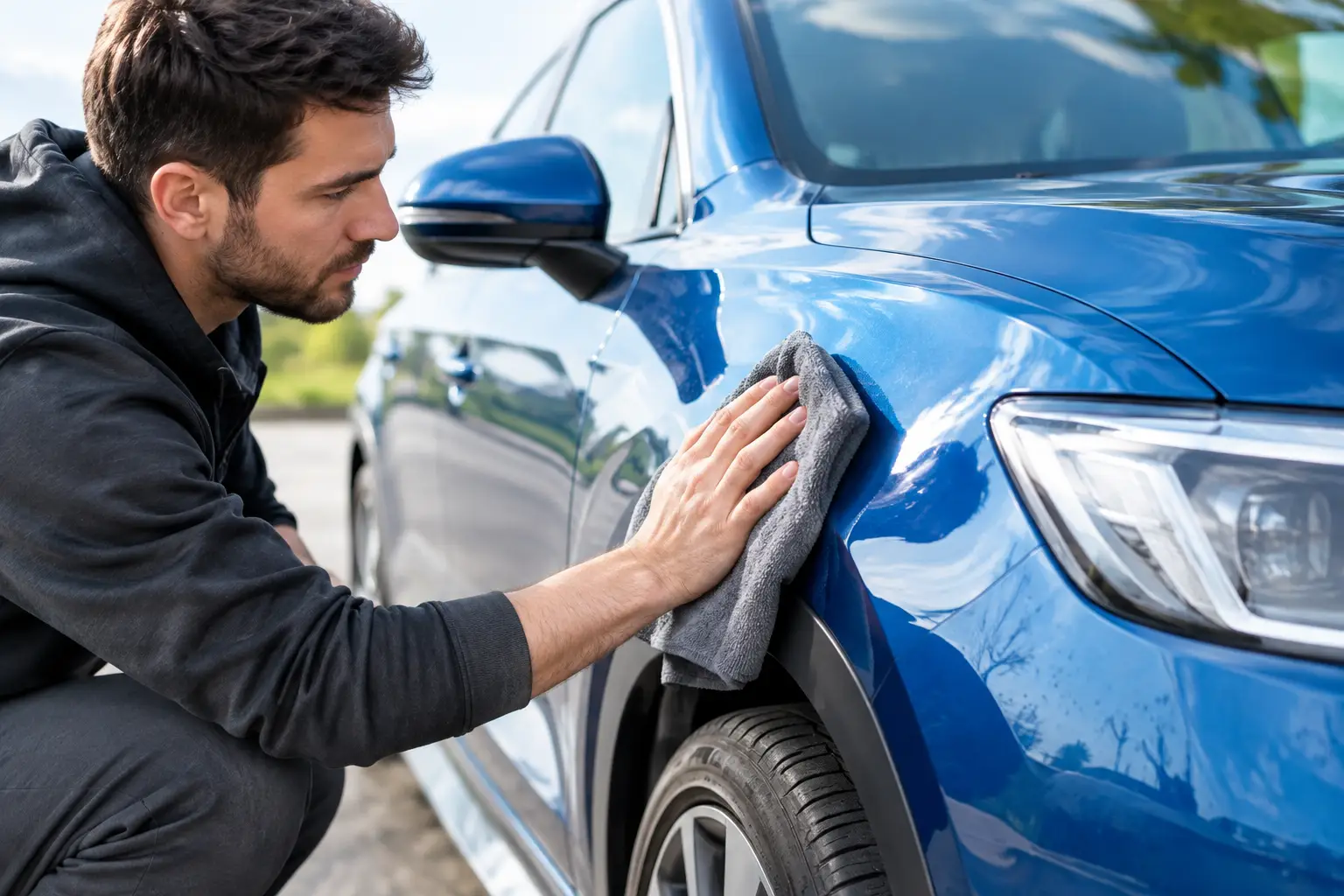
A vehicle can look freshly washed and still feel rough, look dull in direct sunlight, or lose the crisp reflections that make paint stand out. This car paint contamination guide explains why that happens, what is sitting on your paint, and how to remove it without creating scratches, marring, or unnecessary damage to the clear coat.
For Metro Detroit drivers, contamination is not a rare problem. Road salt, brake dust, construction fallout, tree sap, industrial particles, and seasonal grime can all bond to exterior surfaces. Regular washing helps, but it does not always remove what has embedded itself in the paint.
What Car Paint Contamination Actually Is
Paint contamination is any foreign material that remains attached to the surface after a proper wash. Some contamination sits on top of the clear coat. Other particles become lodged in the microscopic texture of the finish, which is why paint can feel gritty even after the vehicle looks clean.
The key distinction is between loose dirt and bonded contamination. Loose dirt, mud, and dust should rinse away or release during a safe hand wash. Bonded contaminants need a more targeted process. Scrubbing harder is not the answer. Aggressive pressure or abrasive towels can drag particles across the paint and leave fine scratches behind.
Contamination can affect paint protection, too. Ceramic coatings and paint protection film make maintenance easier, but they still collect road film and embedded particles over time. A protected vehicle needs proper decontamination maintenance, not harsh shortcuts.
The Most Common Types of Paint Contamination
Industrial fallout and rail dust
Tiny metallic particles from brakes, rail transport, manufacturing activity, and general urban driving can land on paint and embed into the clear coat. These particles often oxidize, creating small orange or brown specks that are especially visible on white, silver, and light-colored vehicles.
A dedicated iron remover is designed to chemically dissolve this type of contamination. Many formulas change color as they react with iron deposits, making it easier to see where contamination is present. This step should be performed on a cool surface and followed by a thorough rinse.
Brake dust and road film
Brake dust is more than a wheel-cleaning issue. It can travel onto lower doors, rocker panels, rear bumpers, and the areas behind wheel openings. Combined with oily road film, it creates a stubborn layer that can reduce gloss and make paint feel dirty soon after washing.
Winter and early spring are particularly hard on vehicles around Livonia and Metro Detroit. Salt brine, slush, grit, and traffic residue accumulate quickly. Even when the paint appears clean, those deposits can remain bonded to the finish.
Tree sap, bird droppings, and bug residue
Organic contamination needs quick attention. Tree sap hardens and becomes difficult to remove safely. Bird droppings and bug splatter can be acidic or corrosive, especially when left to bake in the sun. The risk is not only staining. Extended contact can etch or mark the clear coat.
Treat these spots as soon as practical with a paint-safe cleaner and a soft microfiber towel. Avoid scraping with a fingernail, plastic card, or dry towel. If residue does not release easily, let the product dwell and soften it before gently wiping.
Water spots and mineral deposits
Water itself is not always the problem. Minerals left behind after water evaporates are. Sprinkler water, hard tap water, rainwater, and snowmelt can leave deposits that dull the finish or create etched rings on glass and paint.
Fresh mineral spots may respond to a dedicated water spot remover. Older etched spots can require paint correction because the minerals have affected the clear coat rather than simply sitting on top of it. This is one of those cases where the right diagnosis matters more than the strongest chemical.
Overspray, tar, and paint transfer
Construction zones, fresh roadwork, nearby painting, and parking-lot contact can leave behind stubborn contamination. Tar usually collects along lower panels. Overspray can create a rough, sandpaper-like feel over large areas. Paint transfer often looks dramatic but may be sitting above the vehicle's original paint.
These issues require different solutions. Tar remover may safely dissolve asphalt residue, while overspray typically needs chemical decontamination and controlled mechanical removal. Paint transfer may improve with polishing, but only after the surface is carefully cleaned and assessed.
How to Tell if Your Paint Needs Decontamination
The simplest test is touch. After washing and drying your vehicle, lightly glide clean fingertips across a painted panel inside a thin plastic bag. The bag amplifies the surface texture. If it feels bumpy, gritty, or uneven, bonded contamination is likely present.
Visual clues include a finish that looks hazy after washing, small rust-colored dots, stubborn spots that return after cleaning, reduced water behavior, and paint that lacks a smooth reflection. These signs do not automatically mean the paint is damaged. They do mean a normal wash is no longer enough.
Do not use the bag test on a dirty vehicle. Any remaining grit can scratch the surface during inspection.
A Safe Car Paint Decontamination Process
The safest process begins with a thorough wash. Rinse loose debris away first, then use a quality pH-balanced shampoo, clean wash media, and separate tools for wheels and paint. Starting with a clean surface reduces the chance of dragging abrasive debris into the clear coat during later steps.
Next, use a chemical decontaminant based on the problem. Iron remover addresses embedded ferrous particles. Tar remover targets asphalt and adhesive residue. A water spot product may address mineral buildup. Chemical decontamination should always be done according to the product instructions, out of direct sunlight, and on cool panels.
After chemical treatment, some vehicles benefit from a clay bar or synthetic clay towel. This is mechanical decontamination. It lifts what remains bonded to the surface, but it also has a trade-off: even a properly lubricated clay process can create light marring on softer paint. That is why clay is often followed by polishing when the goal is a flawless finish.
For a daily driver, the right level of decontamination depends on the vehicle's condition and protection plan. A lightly contaminated vehicle may only need a chemical treatment. A vehicle with years of embedded fallout, neglected sap, or rough overspray may need a more involved correction process.
Why Paint Correction Often Follows Decontamination
Decontamination cleans the surface. Paint correction refines it. If contamination has contributed to dullness, light scratches, wash marring, or etched spots, polishing can restore depth and clarity by carefully leveling defects in the clear coat.
Not every vehicle needs full correction. A newer leased vehicle may need a targeted enhancement before protection. A show-focused or luxury vehicle may warrant multi-step correction for maximum gloss. Paint thickness, defect severity, paint hardness, and ownership goals all influence the right approach.
At MYNT Customs, this evaluation is part of protecting the finish rather than simply making it look better for a day. The goal is to preserve as much healthy clear coat as possible while delivering a visible improvement.
Protecting Paint After It Is Clean
Once contamination is removed, protection helps keep future buildup from bonding as aggressively. A quality sealant, ceramic coating, or paint protection film can make washing easier, improve gloss, and reduce the effort required to remove environmental grime. Protection does not make paint maintenance-free, but it creates a more manageable surface.
Ceramic coatings are a strong choice for owners who want durable gloss and easier cleaning across painted surfaces. Paint protection film adds a physical barrier in high-impact areas, helping defend against rock chips, road debris, and abrasion. The best option depends on how the vehicle is driven, where it is parked, and how long the owner plans to keep it.
Routine maintenance still matters. Wash away salt and road film promptly, avoid automatic brushes when possible, and use clean microfiber towels for drying. If a contaminant lands on the paint, remove it early instead of waiting for the next full detail.
When Professional Decontamination Is the Better Choice
DIY products can work well for light contamination when used correctly. Professional service is the better choice when the vehicle has heavy industrial fallout, overspray, etched water spots, widespread roughness, or visible paint defects. It is also smart to seek professional help before claying a newer vehicle with soft or dark paint, where marring is easier to see.
A trained detailer can identify whether a spot is on the surface, in the clear coat, or beyond the paint altogether. That prevents wasted effort and reduces the risk of turning a correctable issue into a larger repair.
A smooth finish is not just a cosmetic detail. It is the foundation for better gloss, more effective protection, and paint that continues to look cared for every time you walk up to your vehicle.