Ceramic Coating Maintenance Guide for Daily Drivers
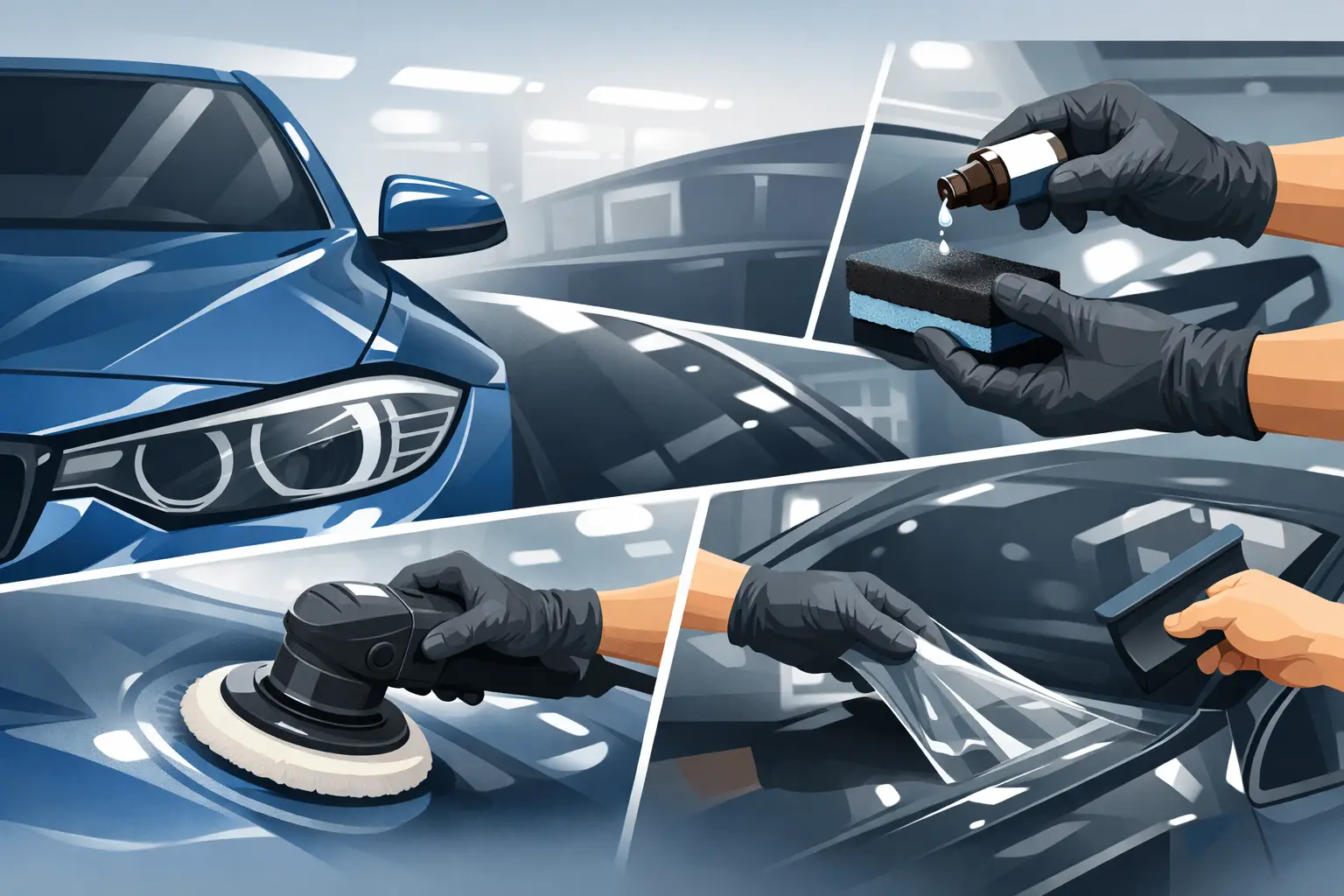
A ceramic coating should make ownership easier, not turn your vehicle into a garage-only project. The right ceramic coating maintenance guide comes down to a few consistent habits: remove dirt safely, avoid products that leave residue behind, and address seasonal contamination before it bonds to the finish. Done well, routine maintenance keeps the paint glossier, water behavior stronger, and washes faster.
Ceramic coating is a durable protective layer, but it is not invincible. Road salt, brake dust, bug splatter, hard-water minerals, and automatic car-wash brushes can still affect its appearance and performance. Treating the coating as a low-maintenance surface rather than a no-maintenance surface is the difference.
Ceramic Coating Maintenance Guide: The Core Routine
For most daily-driven vehicles, wash every one to two weeks. That timing may need to change depending on weather, parking conditions, and mileage. A vehicle driven through a Metro Detroit winter, parked outside near trees, or exposed to frequent construction dust may need attention more often than a weekend vehicle kept in a garage.
The goal is simple: do not allow contamination to sit on the surface long enough to become difficult to remove. Bird droppings, insects, tree sap, and road salt are especially time-sensitive. Ceramic coating gives you more working time than unprotected paint, but prompt removal is still the smart move.
Start with a thorough pre-rinse
Never begin by rubbing a dry, dusty panel. Use a steady stream of water to remove loose grit from the paint, wheels, wheel wells, and lower rocker panels. This step matters because the dirt that causes wash-induced marring is often the dirt you can remove before a wash mitt ever touches the vehicle.
If the vehicle is heavily soiled, apply a coating-safe pre-wash or foam product and let it dwell briefly. Do not let any chemical dry on the surface, especially in direct sunlight. The purpose is to loosen road film, not to replace a careful hand wash.
Use a pH-neutral shampoo and clean wash media
Choose a pH-neutral, residue-free car shampoo designed for coated vehicles. Avoid household dish soap. It can strip oils and leave the surface looking flat, even if it does not immediately remove the ceramic coating itself. Avoid wash products marketed primarily for shine when they rely on heavy waxes, fillers, or gloss additives. Those products can mask the coating's water behavior and create unnecessary buildup.
Wash from the top down, using a clean microfiber wash mitt and separate tools for the wheels and lower body panels. Rinse the mitt frequently. A two-bucket method with grit guards is useful for owners washing at home, while multiple clean mitts can be even safer for a heavily soiled vehicle.
Do not use the same brush, towel, or mitt on paint after it has touched the wheels. Brake dust and road debris are abrasive, and wheels require their own dedicated cleaning tools.
Dry before water spots set
Hard water is one of the most common reasons a coated vehicle loses its crisp, clean appearance. Ceramic coating can bead water aggressively, but those beads still contain minerals. When they dry in the sun, minerals can leave spots that require more than a normal wash to remove.
Use a clean, high-quality microfiber drying towel and gentle blotting or straight-line passes. A filtered-air blower is also an excellent option for mirrors, trim, emblems, grilles, and other areas that hold water. If your local water is especially hard, use a drying aid formulated for ceramic coatings to add lubrication and reduce spotting.
What to Avoid on a Coated Vehicle
The wrong maintenance choices can create problems that look like coating failure. In many cases, the coating is still present but is covered by mineral deposits, traffic film, or product residue.
Avoid these habits whenever possible:
- Automatic tunnel washes that use brushes or harsh cleaning chemicals
- Dirty towels, sponges, or old chamois that trap grit against the paint
- Strong degreasers and acidic wheel cleaners used indiscriminately on exterior surfaces
- Wax-heavy soaps and spray products that can clog water behavior
- Washing in direct sun when products and water can dry too quickly
- Scraping ice, snow, or dirt across paint with hard tools or dry towels
Touchless car washes are generally the better quick option when a hand wash is not practical. The trade-off is that their chemicals can be stronger than professional detailing products, and the drying stage may still leave mineral spots. Use them as a convenience between proper washes, not as the only maintenance plan.
Decontamination: Why Water Beading Can Slow Down
When a ceramic-coated vehicle stops sheeting or beading water as expected, many owners assume the coating is gone. Often, it is simply contaminated. Airborne fallout, rail dust, brake dust, road film, and hard-water minerals can bond to the surface and block the coating's hydrophobic properties.
A proper maintenance wash should usually restore some performance. If it does not, the vehicle may need a professional decontamination treatment. This can include an iron remover, mineral-spot treatment, clay process when appropriate, and a coating-safe reset wash. The exact process depends on what is on the vehicle. Aggressive clay or polishing is not a first choice because either can alter the coating or remove part of it.
For a daily driver, a professional coating inspection and decontamination every six to twelve months is a practical benchmark. The shorter interval makes sense for vehicles exposed to harsh winters, frequent highway travel, industrial fallout, or outdoor parking.
Seasonal Care for Metro Detroit Vehicles
Michigan weather asks more of a ceramic coating than a mild-climate maintenance plan. Winter road salt, slush, and freeze-thaw cycles build up around lower panels, wheel wells, and behind trim. During winter, rinse the vehicle whenever conditions allow, paying close attention to these areas. A full wash is ideal, but even a thorough rinse helps reduce salt accumulation.
Spring is when embedded contamination and mineral spotting often become more visible. This is a good time for a coating-safe deep clean and inspection. Summer brings bug splatter, tree sap, and intense sun exposure. Remove bugs and sap as soon as possible with a dedicated, paint-safe cleaner rather than scrubbing them off dry.
In fall, leaves, pollen, and organic debris can collect in cowl areas, window seals, and drainage channels. Keep those areas clear. Moisture and debris trapped against trim or paint can create stains that no coating should be expected to prevent.
Can You Use a Ceramic Detail Spray?
Yes, but use it for the right reason. A ceramic-infused maintenance spray can improve gloss, add slickness, and refresh water behavior after a wash. It is not a substitute for cleaning, and it should not be applied over dirt. Think of it as a maintenance topper, not a repair for neglected paint.
Not every coated vehicle needs a topper at every wash. Overapplication can create streaking or residue, particularly on dark paint. Apply a light amount to a cool, clean panel, spread it evenly with one microfiber towel, then level it with a second clean towel. If you are unsure whether a product is compatible with your coating, use the coating manufacturer's recommended maintenance product or ask your detailing provider.
Protect the Coating by Protecting the Paint
Ceramic coating provides chemical resistance, UV support, gloss, and easier cleaning. It does not stop rock chips, deep scratches, or collision damage. That distinction matters for drivers who spend time on I-96, I-275, or other high-speed Metro Detroit routes.
Paint protection film is the better solution for impact-prone areas such as bumpers, hoods, mirrors, rocker panels, and door edges. Ceramic coating and PPF work well together: film handles more physical abuse, while coating helps both protected film and painted panels stay easier to clean.
Be realistic about what you see after washing. Fine wash marks may be correctable, but correction involves polishing, and polishing can reduce or remove a ceramic coating in that area. Before attempting DIY correction, have the paint evaluated so the right solution is chosen.
A Simple Maintenance Schedule That Works
Wash every one to two weeks, remove bird droppings and bug residue promptly, and dry the vehicle thoroughly after each wash. Add a coating-safe maintenance spray when the surface needs a refresh, not by default. Plan a professional inspection or decontamination service at least annually, or sooner if the vehicle's water behavior changes noticeably despite proper washing.
For owners who want premium protection without guesswork, MYNT Customs can evaluate the coating condition, safely remove bonded contamination, and keep the finish looking consistent through every season.
The best maintenance plan is one you will actually follow. A clean mitt, the right shampoo, and a careful drying routine will protect the investment far better than an occasional aggressive detail after months of buildup.