Does Paint Protection Film Work?
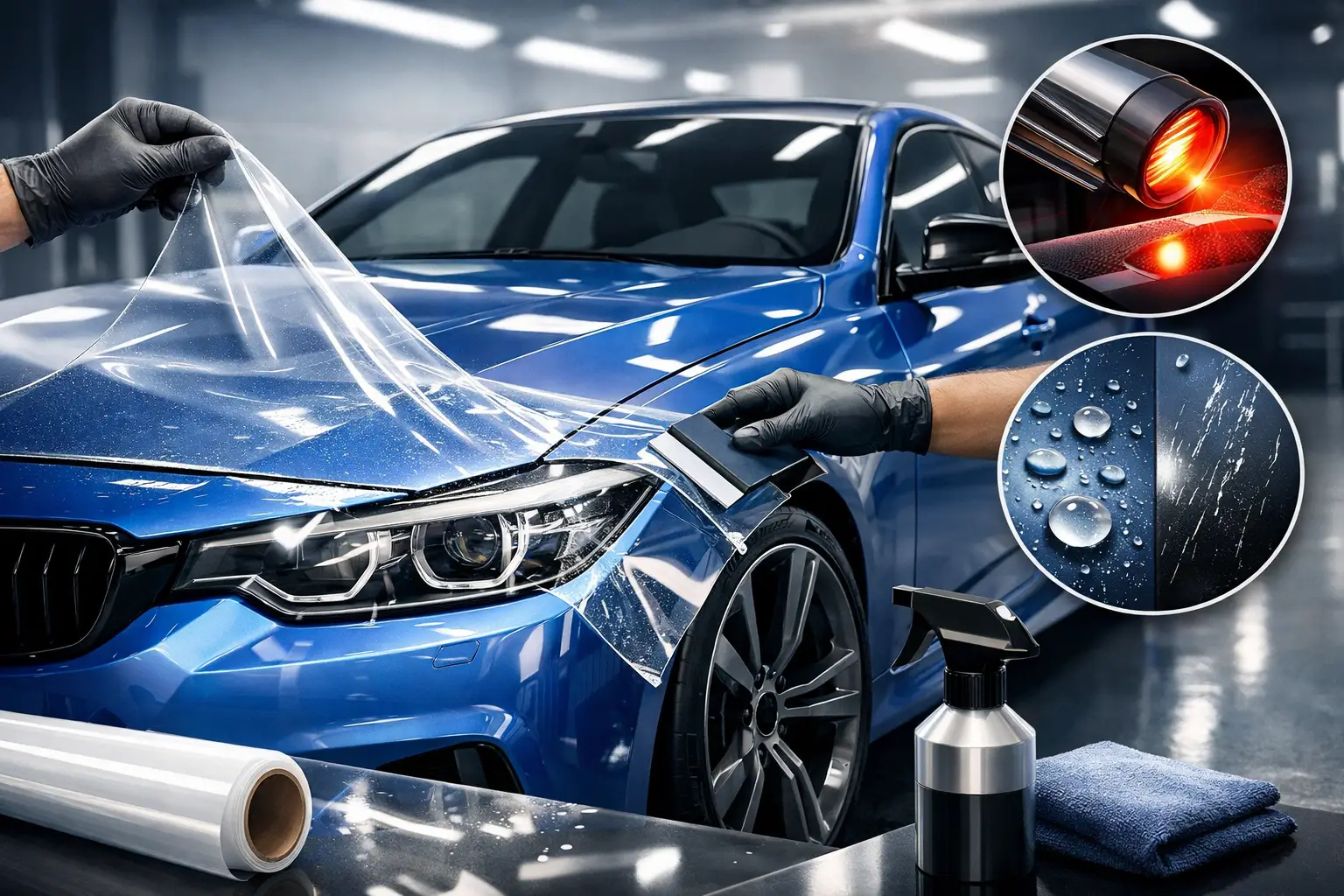
The first rock chip usually happens fast. You buy the car, the paint looks perfect, and within a few weeks a highway drive leaves a mark on the hood or bumper. That is exactly why so many owners ask, does paint protection film work, or is it just another upsell in the automotive world?
The short answer is yes, paint protection film does work. It is one of the most effective ways to reduce damage from road debris, light scratches, bug splatter, and everyday wear on painted surfaces. But it is not magic, and it is not the right choice for every owner, every budget, or every vehicle.
If you want the straight answer, PPF works best when your goal is preserving factory paint. It is especially valuable on front bumpers, hoods, fenders, mirror caps, rocker panels, door edges, and other high-impact areas that take the most abuse.
Does Paint Protection Film Work in Real Conditions?
A lot of products sound great in a brochure. The real question is how they perform on actual roads, in actual weather, and over years of ownership.
Paint protection film is a clear urethane-based material installed over painted surfaces. Once applied properly, it acts as a sacrificial barrier between your vehicle and the outside world. When gravel, sand, salt, bugs, or minor abrasion hit the surface, the film absorbs much of that impact before it reaches the paint.
That matters in places where vehicles see highway miles, seasonal road grit, and changing weather. Daily drivers in Metro Detroit deal with more than just sunshine and dust. Between winter debris, construction zones, and long commutes, front-end paint takes a beating. PPF is designed for exactly that type of real-world exposure.
The biggest proof is simple - protected panels usually look better longer than unprotected ones. They tend to show fewer chips, less etching, and less visible wear over time.
What Paint Protection Film Actually Protects Against
PPF is not just about one type of damage. Its value comes from how many common paint problems it can reduce.
Rock chips are the most obvious benefit. The front of a vehicle takes constant impact from small debris, especially on highways. Even a careful driver cannot avoid every loose stone kicked up by traffic.
It also helps with light scratches and surface marring. That includes things like brush contact, minor scuffs, and some wash-induced marks. Many modern films have self-healing properties, which means light swirl marks can fade with heat from the sun or warm water.
Bug splatter and bird droppings are another overlooked issue. Left too long, they can stain or etch paint. Film gives you a protective layer that is easier to clean and safer to replace than repainting a hood.
UV exposure is part of the equation too. Quality film can help reduce premature paint aging and maintain a more consistent finish across exposed panels.
Where Paint Protection Film Falls Short
This is where realistic expectations matter. PPF works, but it has limits.
It will not stop major impact damage. If a large rock hits hard enough, the film may tear, and the paint underneath can still be damaged. The difference is that film often reduces the severity of that damage.
It is also not a substitute for good maintenance. Dirt, mineral buildup, and contaminants can still sit on top of the film if the vehicle is neglected. The surface still needs proper washing and care.
And while PPF helps resist scratches, it does not make a car scratch-proof. Automatic brushes, sharp objects, and aggressive contact can still damage the film.
There is also the installation factor. Poorly installed film can lift, trap debris, show visible lines, or fail early. The product matters, but the installer matters just as much. A premium film installed badly will not perform the way it should.
Full Front, Partial Front, or High-Impact Areas?
One of the biggest mistakes people make is thinking PPF has to be all or nothing. It does not.
For many owners, the smartest move is protecting the areas that get hit the hardest. A full front package usually includes the front bumper, full hood, full fenders, and side mirrors. That gives strong protection where most road damage happens.
Some owners go further with rocker panels, A-pillars, rear wheel arches, door cups, trunk ledges, or even full-body coverage. That makes more sense for high-end vehicles, dark paint, exotic cars, performance builds, or anyone who wants the highest level of preservation.
If the budget is tighter, targeted protection can still be worth it. The front bumper alone sees a lot of abuse. So do door edges and handle cups on daily-driven vehicles.
The right coverage depends on how you use the car. A garage-kept weekend car has different needs than a leased SUV doing freeway miles every day.
Is PPF Worth It for Daily Drivers?
Usually, yes - especially if you plan to keep the vehicle for several years or care about its condition.
Daily drivers get exposed to the most routine abuse. Parking lots, highway commuting, seasonal grime, and frequent washing all add up. If you want your vehicle to stay cleaner-looking and avoid that sandblasted look on the front end, paint protection film makes a practical difference.
For leased vehicles, it can also help reduce wear that might stand out at turn-in. For owners preparing to resell later, cleaner original paint can support stronger presentation and better value.
That said, not every daily driver needs a full-body wrap. In many cases, a focused package gives the best return. Good protection is not about covering every square inch. It is about protecting the panels most likely to take damage.
Does Paint Protection Film Work Better Than Ceramic Coating?
This is a common comparison, but the two services do different jobs.
PPF is built for impact resistance and physical protection. Ceramic coating is built more for surface behavior - gloss, slickness, easier cleaning, and chemical resistance. Ceramic helps with maintenance and appearance. PPF helps prevent chips and abrasion.
If your biggest concern is rock chips, coating alone will not solve that. If your goal is keeping the vehicle easier to wash while adding gloss, ceramic may be enough.
Many owners choose both because they complement each other well. Film handles the vulnerable areas, and ceramic coating can add easier upkeep and a more polished finish over protected and unprotected panels alike.
How Long Does PPF Last?
High-quality paint protection film can last for years when it is installed correctly and cared for properly. Exact lifespan depends on the brand of film, how the vehicle is used, how often it sits outdoors, and how well it is maintained.
A commuter vehicle that sees all four seasons, constant sun, and regular highway use will age film differently than a garage-kept car. That is normal.
What matters more than the number on paper is how the film looks and performs over time. Quality film should stay clear, resist yellowing, and maintain strong adhesion when installed on well-prepped paint. When it eventually needs replacement, the film can be removed and replaced far more easily than repainting damaged factory panels.
Who Gets the Most Value From PPF?
New car owners usually benefit the most because they are protecting clean paint before the damage starts. Once the chips are already there, film can prevent future damage, but it cannot erase what happened before installation.
Luxury and performance vehicle owners also tend to see strong value because paint repair on premium vehicles is expensive, and original finish matters. The same goes for enthusiasts who simply want their vehicle to stay sharp.
But PPF is not only for high-end cars. It makes sense for work trucks, family SUVs, commuter sedans, and any vehicle that sees tough road conditions. If the owner cares about long-term appearance, the case for protection gets stronger.
So, Does Paint Protection Film Work Enough to Justify the Cost?
For the right owner, yes. If you expect it to stop every possible form of damage forever, you will be disappointed. If you expect it to meaningfully reduce chips, protect vulnerable paint, and help your vehicle stay in better condition, it absolutely delivers.
The value comes down to how much you care about preserving the finish and avoiding avoidable wear. For many drivers, especially those putting real miles on a newer vehicle, PPF is less about hype and more about preventing the kind of damage that happens little by little until the front end no longer looks new.
If you are weighing the cost, think beyond the install itself. Think about repainting, touch-ups, visible chip damage, and the difference between a vehicle that still looks well-kept after years on the road and one that does not. That is where paint protection film tends to prove its worth.