Detailing for Leased Vehicles Before You Return It
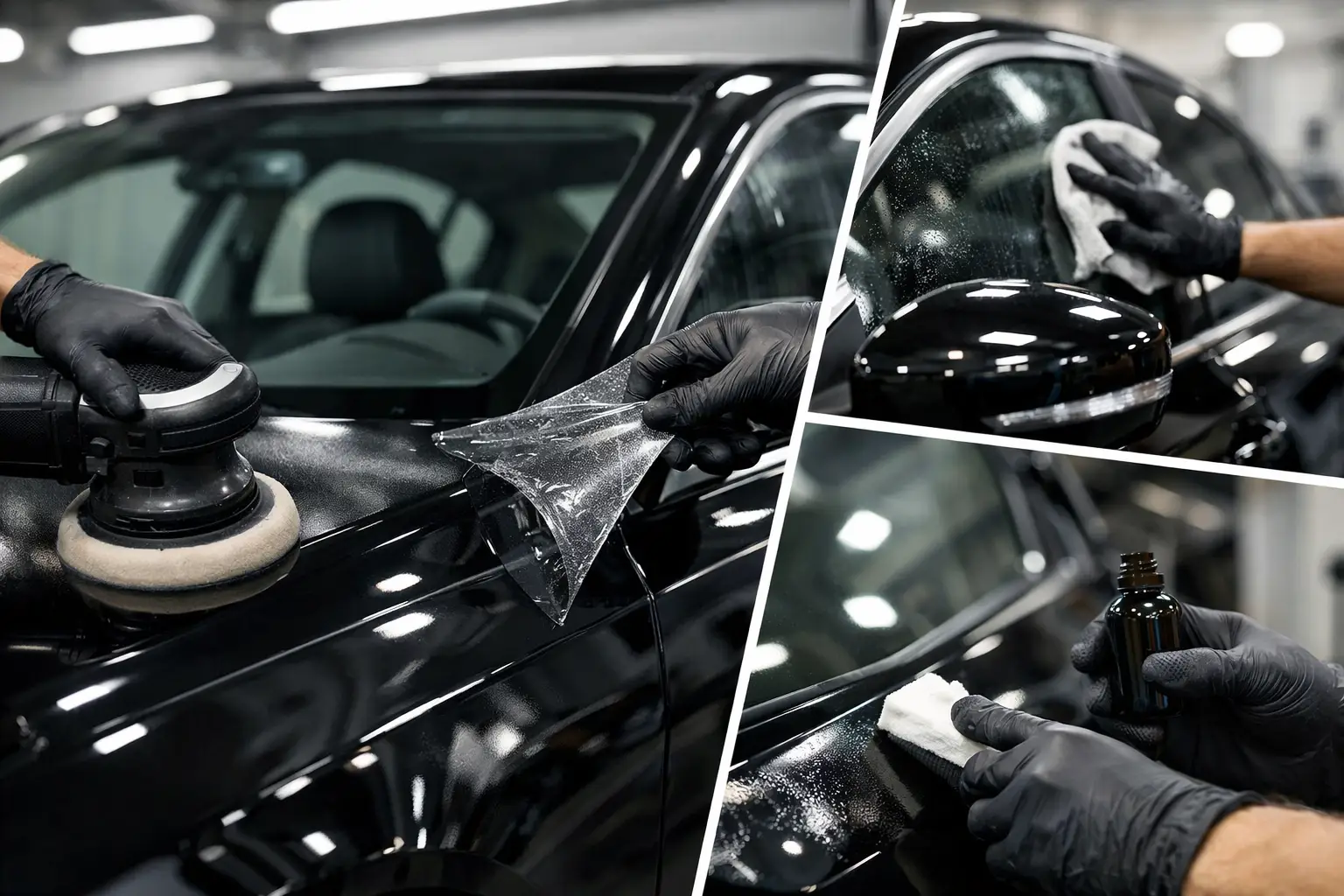
A lease return can turn small signs of use into an expensive final bill. Scuffed wheels, stained upholstery, cloudy headlights, embedded pet hair, and neglected paint all stand out when a vehicle is evaluated. Detailing for leased vehicles is not about making a car look showroom-new at any cost. It is about correcting avoidable issues, presenting the vehicle properly, and reducing the chance that normal use is confused with damage.
The best time to think about vehicle condition is well before the lease ends. A focused detailing plan gives you time to address problems strategically rather than rushing through a basic wash a few days before turn-in.
Why Detailing for Leased Vehicles Pays Off
Lease agreements generally allow for reasonable wear, but the definition of reasonable can vary by manufacturer, vehicle age, mileage, and the condition documented at inspection. Deep scratches, paint transfer, torn trim, heavy interior staining, odors, and excessive wheel damage are more likely to receive attention than light signs of everyday driving.
A professional detail improves the areas an inspector will see immediately. Clean paint makes scratches and dents easier to assess accurately. A properly cleaned interior shows the true condition of the seats, carpets, console, and trim instead of making normal wear look worse than it is. Removing salt residue, road film, brake dust, and interior buildup also helps prevent a vehicle from appearing neglected.
For Metro Detroit drivers, winter adds another layer of concern. Road salt, slush, and frequent temperature changes can leave paint, wheels, door jambs, carpets, and weather seals looking rough long after the season ends. A thorough reconditioning service can remove accumulated grime and restore a cleaner, more cared-for presentation before an inspection.
Detailing does not erase every concern. It will not repair a dent, restore torn leather, or make a severely damaged wheel new again. It can, however, reveal what actually needs repair and what simply needs proper cleaning, polishing, or conditioning. That distinction can keep you from paying for work that does not materially improve your lease return condition.
Start With a Realistic Condition Check
Before scheduling service, inspect the vehicle in daylight. Walk around it slowly and look at the lower doors, bumper corners, rocker panels, hood edge, mirrors, wheels, and windshield. These are common areas for road rash, paint transfer, chips, and curb damage.
Inside, check the driver seat bolster, carpets, cup holders, door panels, trunk, headliner, and cargo area. Look for spills, lingering smoke or pet odors, makeup marks, excessive pet hair, and stains around child-seat areas. Take clear photos of anything that appears beyond routine use, then compare your findings with the lease-end guidance from your lender or dealership.
This step matters because not every imperfection deserves the same response. A light surface scuff may improve substantially with paint correction. A deep scratch that catches a fingernail may require touch-up or body repair. A wheel with minor brake dust buildup needs cleaning, while a wheel with a chunk missing from the rim may need refinishing. The right approach depends on the condition, the likely turn-in charge, and how close you are to the end of your lease.
What a Lease-Return Detail Should Address
A lease-return detail should be more thorough than a quick exterior wash and interior vacuum. The goal is to reset the vehicle's overall presentation while targeting the areas that commonly make it look older or more heavily used.
Exterior paint, glass, and wheels
A proper exterior service removes bonded contaminants, road film, bug residue, salt deposits, and brake dust that standard washing can leave behind. Decontaminating the paint helps restore smoothness and prepares the surface for light polishing where appropriate. Polishing can reduce the appearance of wash marring, light scuffs, paint transfer, and dullness, creating a clearer and more uniform finish.
Glass should be cleaned inside and out, including the edges and lower corners where haze builds up. Wheels, tires, wheel wells, and door jambs also deserve attention. Clean wheels make curb rash easier to identify, but they also prevent otherwise serviceable wheels from looking neglected. A non-greasy tire finish provides a clean appearance without the overly shiny look that can attract dirt.
Interior reconditioning
The interior often has the strongest influence on how a leased vehicle feels during inspection. Deep vacuuming should reach beneath seats, along seat tracks, inside trunk seams, and around the center console. Shampooing or extraction may be appropriate for carpets and cloth seats with stains, while leather and vinyl benefit from careful cleaning and conditioning.
Odor removal requires more than an air freshener. Food spills, moisture, smoke, pet use, and bacteria within fabrics can create smells that return quickly if the source is not treated. Depending on the issue, targeted cleaning and odor treatment may be needed. It is better to address odors early, especially if the vehicle has been regularly used by pets or children.
Do not overlook the small details: sticky buttons, dusty vents, fingerprints on screens, residue in cup holders, and dirty door sills. None of these issues alone may trigger a charge, but together they can make a vehicle appear poorly maintained.
Should You Correct Paint Before Returning a Lease?
Paint correction can be a smart option when the vehicle has noticeable swirl marks, paint transfer, shallow scratches, or a dull finish that makes the exterior look worn. A single-stage polish often provides a meaningful visual improvement without pursuing perfection. For most leased vehicles, that is the practical target.
More intensive correction is not always the right investment. If the paint has widespread deep defects, substantial rock chips, or panel damage, polishing alone may not change the inspection outcome. In those cases, evaluate the cost of repair against your lease-end options. If you plan to purchase the vehicle, your decision may be different than if you are turning it in immediately.
Paint protection film and ceramic coating are generally best installed early in a lease, not weeks before return. They protect against the everyday damage that accumulates over time, including chips, staining, UV exposure, and wash-induced marring. If you still have significant time left on your lease, protective services can help preserve condition and make routine maintenance easier. If turn-in is imminent, reconditioning is usually the more relevant service.
When to Schedule Lease-End Detailing
Schedule your condition assessment and detail two to four weeks before the lease inspection whenever possible. That window gives you time to decide whether any remaining damage needs separate repair. It also avoids the pressure of trying to fit cleaning, paint work, wheel repair, and dealership appointments into the final few days.
If your vehicle is being traded rather than returned, a detail is still valuable. A clean, corrected vehicle photographs better, presents better at appraisal, and shows that you have taken care of it. It may not increase every offer dollar for dollar, but it can help prevent condition from becoming an easy reason to reduce the trade value.
For leased vehicles with severe stains, odor concerns, heavy pet hair, neglected winter buildup, or visible paint damage, allow extra time. Some conditions require more than one process, and rushing can limit what is realistically achievable.
Choose Work That Matches the Vehicle's Needs
The most effective lease-return strategy is not automatically the most expensive package. It is the service plan that addresses the condition of your specific vehicle and supports a clean, accurate inspection. A professional should be able to explain which defects can be improved, which ones may need repair, and where your budget is best spent.
At MYNT Customs, the focus is on high-quality reconditioning that helps drivers present their vehicles at their best, whether they are returning a lease, trading in, or keeping a vehicle they enjoy. A clean exterior, refreshed interior, and properly evaluated finish give you a stronger position before the keys change hands.
Give your vehicle enough time to be assessed and properly cared for. The goal is simple: return a clean, well-presented car with no avoidable surprises waiting at inspection.