Should You Wash Car Before PPF Installation?
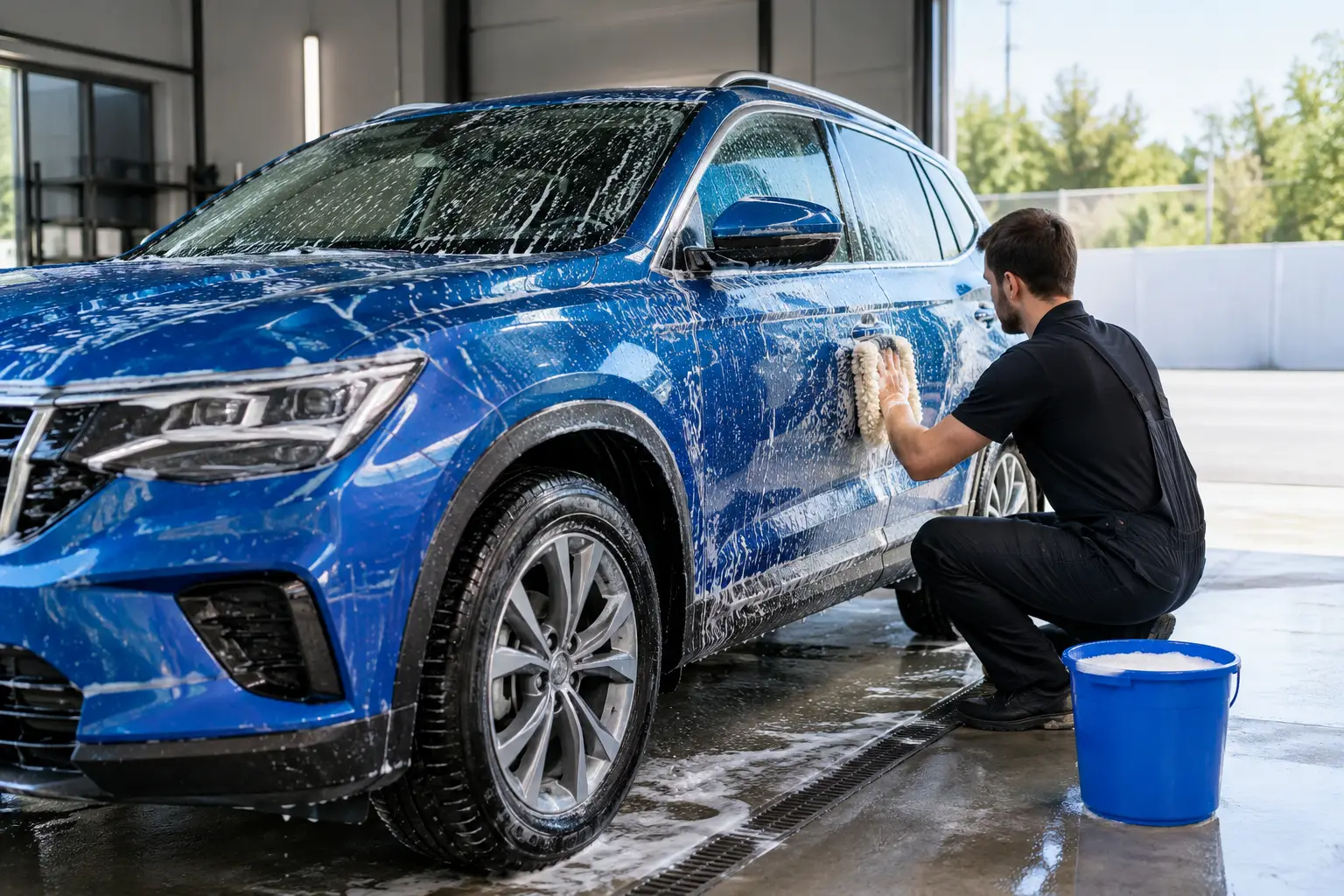
A spotless-looking car is not necessarily ready for paint protection film. If you are asking whether to wash car before PPF installation, the short answer is yes, but with one important condition: a basic wash is helpful, while professional surface preparation is still essential. PPF is installed directly against the paint, so any remaining dirt, road film, wax residue, or contamination can affect how cleanly the film lays down.
For most owners, the best approach is to arrive with the vehicle reasonably clean and let the installer handle the detailed decontamination and panel prep. That protects the quality of the installation without adding unnecessary risk right before your appointment.
Why a Clean Surface Matters for PPF
Paint protection film is designed to create a clear, durable barrier between your paint and the hazards that come with driving. Rock chips, road grit, bug acids, salt, UV exposure, and light scuffs are all easier on the film than they are on exposed paint. But the film needs a properly prepared surface to look its best.
Even a small speck of debris can become visible beneath clear PPF, especially on dark paint, gloss black trim, and highly reflective body panels. Contamination can also interfere with adhesion at an edge or around a complex body line. A quality installer works carefully to minimize these issues, but starting with a cleaner vehicle makes the process more efficient and helps reduce avoidable contamination.
This is why professional PPF preparation involves much more than a quick wash. It is a controlled process intended to remove what you can see and what you cannot.
Should You Wash Car Before PPF Installation at Home?
A gentle hand wash before your appointment is usually fine if the vehicle is dirty from normal driving. It helps remove loose dust, mud, bugs, and heavy grime that could otherwise make transport and initial inspection more difficult. If you have recently driven through rain, construction zones, salted roads, or a dusty parking lot, washing the car can be worthwhile.
However, avoid treating your home wash as the final preparation step. Do not apply spray wax, ceramic detailer, tire dressing overspray, paint sealant, or any product that leaves protection behind. These products can create residue that must be removed before film installation. They can also make it harder for an installer to evaluate the true condition of the paint.
Automatic car washes deserve extra caution. Brush tunnels can add fine scratches and leave behind soaps, waxes, or drying agents. Touchless washes are less likely to scratch, but many still use chemical protectants that are not ideal before PPF. If your appointment is close, a careful hand wash with a pH-neutral soap and clean microfiber towels is the safer choice.
If the car is already clean and has been kept indoors, you may not need to wash it at all. In that case, bringing it directly to the shop often makes more sense than washing it, driving it through Metro Detroit traffic, and collecting fresh road dust on the way.
What Professional PPF Prep Actually Includes
The condition of the paint determines the preparation needed. New vehicles can arrive with dealership wash marks, shipping film adhesive, rail dust, or light contamination. Daily drivers may have tar, embedded brake dust, tree sap, water spots, and years of product buildup. A professional installer evaluates the vehicle rather than assuming a new car is flawless.
The prep process commonly begins with a thorough exterior wash that reaches panel gaps, badges, wheel arches, and other areas where dirt collects. The paint may then be chemically decontaminated to break down iron particles, road film, and tar. A clay treatment or other mechanical decontamination can remove bonded contaminants that washing alone cannot touch.
Next comes surface cleansing. Installers use panel-prep solutions to remove oils, polishing residue, silicone, and remaining residue before applying the film. This stage is especially important around edges, hood seams, mirrors, bumpers, and rocker panels, where trapped debris can compromise a clean finish.
In many cases, paint correction is recommended before PPF. The film protects the paint beneath it, but it does not erase scratches, swirls, etching, or heavy water spots. In fact, clear film can preserve those defects in place. A light polish may be all that is needed for a newer vehicle, while more involved correction may make sense on a used vehicle or one that has seen frequent tunnel washes.
At MYNT Customs, preparation is treated as part of the protection service, not an afterthought. The goal is not simply to apply film. The goal is to give the film a clean, properly corrected surface that supports a clear, refined result.
What Not to Do Before Your Appointment
The final day before PPF installation is not the time to experiment with new detailing products. Avoid waxing, sealing, ceramic coating, or using gloss-enhancing sprays. Do not use greasy trim dressings near painted surfaces, and do not apply bug remover that may leave residue behind.
It is also wise to avoid a long road trip right before your appointment. Fresh bug splatter, tar, and highway grime can make prep more involved, particularly if you are having the full front end, rocker panels, or rear impact areas protected. Parking under trees is another avoidable issue. Sap, pollen, and bird droppings can quickly change the condition of an otherwise clean car.
If you have an existing ceramic coating, wax, vinyl graphics, touch-up paint, bodywork, or repainted panels, tell your installer before the appointment. None of these automatically prevents PPF installation, but they may affect the prep process or determine whether the film is a good fit for a particular panel. Fresh paint must be fully cured before film is applied, and the correct cure period depends on the paint system and body shop guidance.
The Best Way to Prepare Your Vehicle
The simplest plan is usually the right one. Remove personal belongings from the interior if the shop will need access to door edges, handles, or interior trim near wrapped areas. Make sure the exterior is not excessively muddy or covered in snow. Then leave the specialty cleaning, decontamination, and final panel preparation to the PPF team.
If you choose to wash beforehand, use a clean wash mitt, pH-neutral soap, and fresh microfiber drying towels. Rinse thoroughly around emblems, mirrors, wheel arches, and panel gaps. Skip every form of wax, sealant, topper, or dressing. A clean, product-free finish gives the installer the best starting point.
There is one trade-off to consider: washing at home may improve the vehicle's condition before arrival, but driving afterward can reintroduce contamination. For cars that are already well maintained, an installer-managed wash and prep is often the more controlled option. For heavily soiled vehicles, a basic rinse and wash can be a courtesy that helps the appointment start smoothly.
PPF Is Only as Good as the Surface Below It
Paint protection film is a long-term investment in your vehicle's appearance and resale value. The quality of the film matters, but so do the condition of the paint, the precision of the installation, and the preparation performed beforehand. Skipping correction or decontamination to save time can leave defects visible under a premium protective finish.
Whether you drive a new luxury vehicle, a performance car, a leased daily driver, or a family SUV, the right prep keeps the focus where it belongs: on clear paint, clean edges, and meaningful protection from the miles ahead.
Before your appointment, keep the vehicle reasonably clean, avoid applying products, and share anything unusual about its paint history. Then let the installation team create the controlled surface that quality PPF requires.