Clay Bar Versus Decontamination: What Works?
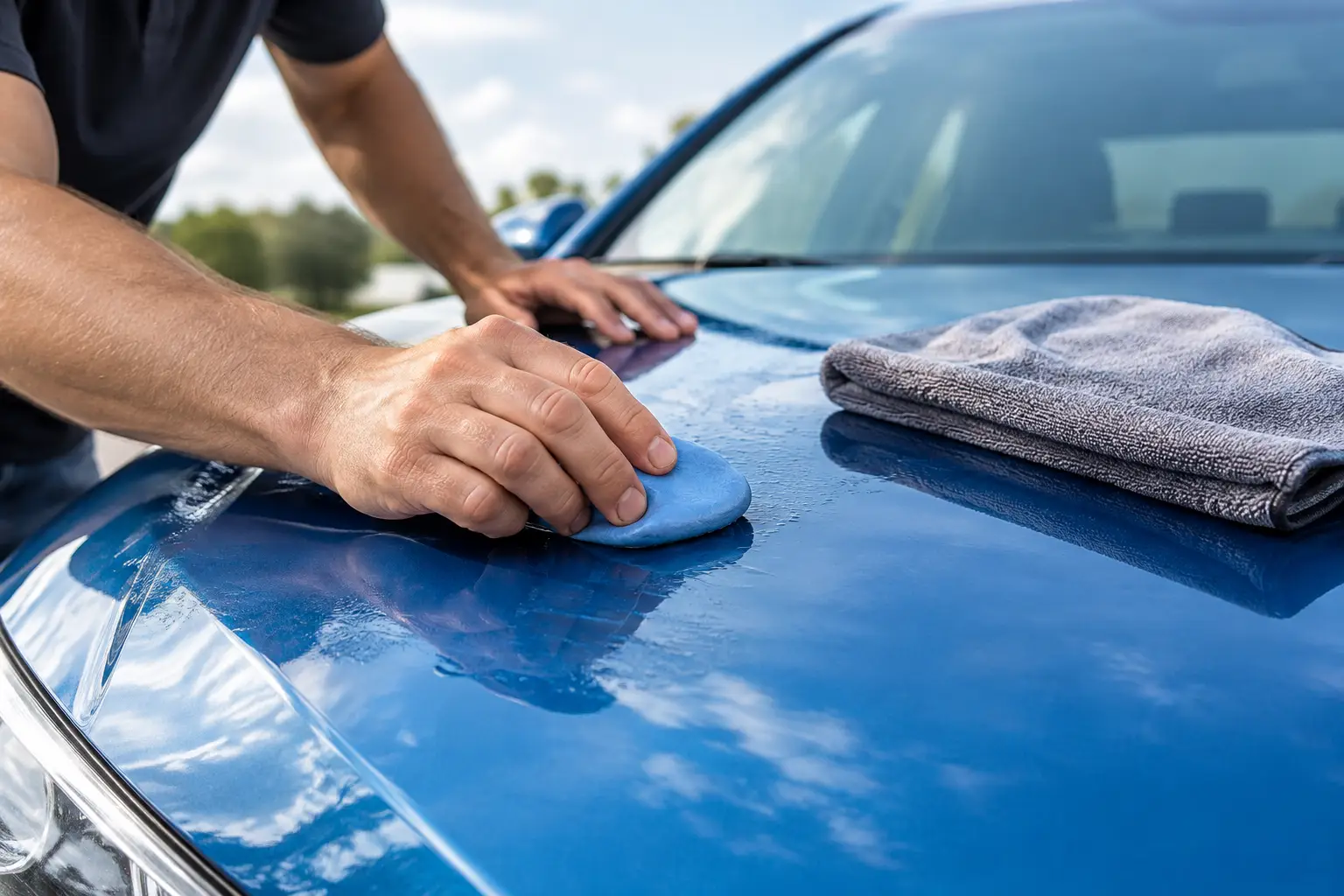
A freshly washed vehicle can still feel rough when you slide a clean hand across the paint. That gritty texture is bonded contamination, and the clay bar versus decontamination question matters because the wrong approach can leave defects behind or create unnecessary marring before a coating, wax, or paint correction service.
For Metro Detroit drivers, the issue is especially familiar. Road salt, brake dust, industrial fallout, tree sap, tar, and winter grime do more than make paint look dull. They bond to the surface, reduce gloss, and interfere with how well protective products adhere. Proper decontamination restores a cleaner, smoother foundation so your vehicle can look its best and retain protection longer.
Clay Bar Versus Decontamination: The Real Difference
A clay bar is not separate from decontamination. It is one form of decontamination - specifically, mechanical decontamination. The broader term describes the process of removing contamination that normal washing cannot lift away.
Chemical decontamination uses dedicated products to dissolve or loosen specific contaminants. Iron removers target embedded ferrous particles, often from brake dust and rail dust. Tar removers break down road tar, adhesive residue, and stubborn petroleum-based grime. These products work with less physical contact, which can reduce the amount of friction applied to the paint.
Mechanical decontamination uses a clay bar, clay mitt, clay towel, or synthetic clay media with plenty of lubrication. As the clay glides over the surface, it shears away bonded contaminants that remain after washing and chemical treatment. The result is paint that feels smooth to the touch and is ready for polishing or protection.
The key distinction is simple: chemical products dissolve contamination, while clay physically removes what is left. A complete professional prep process often uses both methods in the right order.
When a Clay Bar Is the Right Choice
A clay bar is highly effective when paint has a rough, gritty feel after a thorough wash. It can remove overspray, embedded fallout, light paint transfer, stubborn environmental debris, and contamination that chemical products do not fully address.
Clay is also valuable before paint correction, ceramic coating installation, and certain paint protection film applications. These services depend on a properly prepared surface. If contamination remains on the paint, a polishing pad may drag it across the finish, and a coating may not bond as consistently as it should.
That said, clay is not a maintenance step for every wash. Used too often, too aggressively, or without sufficient lubricant, it can create fine haze or marring. Dark paint, soft clear coat, and neglected vehicles are particularly prone to showing those marks in direct sunlight.
Traditional fine-grade clay is generally the safer option when maximum control is needed. It conforms well to curves and allows a detailer to feel the surface as contamination is released. Synthetic clay mitts and towels can cover larger areas more quickly and are reusable, but they still require careful technique. Speed does not replace proper lubrication or paint inspection.
When Chemical Decontamination Is Enough
Chemical decontamination may be enough when the vehicle has light-to-moderate contamination and the goal is routine maintenance rather than correction or coating prep. An iron remover can be especially useful on wheels, lower doors, rocker panels, and rear bumpers, where brake dust and road fallout collect.
This approach is often a smart first step because it reduces how much contamination a clay bar needs to remove afterward. Less debris on the surface means less friction and a lower risk of marring during the mechanical stage.
Chemical decontamination is not automatically gentler in every situation. Products must be used on cool surfaces, allowed to dwell only as directed, and rinsed thoroughly. Strong tar removers can affect fresh waxes or sealants, and any product used incorrectly can create avoidable issues. The right chemistry and process matter as much as the product itself.
If the paint feels smooth after washing and chemical treatment, there may be no reason to clay the entire vehicle. This is where a paint assessment saves time and preserves the finish. Decontamination should match the vehicle’s condition, not follow a one-size-fits-all routine.
Why Clay Can Create Marring
Clay does not scratch paint because it is inherently harsh. Marring happens when debris gets trapped between the clay media and the clear coat, when lubrication is inadequate, or when excessive pressure is used. Dropping a clay bar on the ground is another common problem. Once it picks up grit, it should not go back on the paint.
Proper technique uses light pressure and generous lubricant. The surface should be washed first to remove loose dirt, and the clay should move in short, controlled passes rather than being pressed into the paint. A detailer will frequently fold traditional clay to expose a clean section or rinse synthetic media as needed.
Even with good technique, some delicate finishes may need a light polish after claying. That is not necessarily a failure. It is part of creating the high-gloss, defect-free finish expected before ceramic coating or premium paint protection work.
The Best Order for Paint Prep
A quality decontamination process starts with a safe hand wash. Removing loose dirt first prevents the wash mitt, chemical products, or clay media from grinding grime into the clear coat.
Next comes chemical decontamination based on what is actually present. Iron remover is useful for metallic fallout, while tar remover addresses sticky road contamination. After the vehicle is rinsed, the paint is inspected by touch and under proper lighting.
Mechanical decontamination comes only where it is needed. A vehicle that still feels rough may benefit from clay treatment, while a surface that is already smooth may be ready for the next step. If swirls, oxidation, water-spot etching, or haze are visible, paint correction can refine the finish before protection is installed.
The final protection should fit the owner’s goals. A ceramic coating provides durable chemical resistance, gloss, and easier maintenance. Paint protection film is better suited to areas exposed to rock chips and road debris. A quality sealant or wax can also be a practical choice for drivers who prefer shorter-term protection with regular detailing.
What Your Vehicle Needs Depends on Its Condition
A new vehicle is not always contamination-free. Cars can sit outdoors during transport, at dealerships, or near rail lines before delivery. Even low-mileage paint may benefit from an iron treatment and light clay work before protection.
A daily driver that sees Michigan winters usually has a different need. Salt residue, brake dust, and road film build up quickly, especially on lower panels and wheels. Seasonal decontamination can help prevent the paint from feeling rough and make washing more effective, but it does not always require an aggressive clay treatment.
Older or neglected vehicles may require the most careful approach. Heavy contamination often hides paint defects, and claying without a plan for polishing can reveal the true condition of the clear coat. In those cases, decontamination and paint correction work together to improve both smoothness and clarity.
For leased vehicles and cars being prepared for resale, targeted decontamination can make a meaningful visual difference without overinvesting in unnecessary services. Smooth paint, clean wheels, and refined gloss help a vehicle present as well cared for.
Avoid the Common DIY Mistakes
The biggest mistake is using clay on a dirty vehicle. Clay is not a substitute for washing. Another is treating every rough surface with aggressive clay before trying chemical removal. That can add friction where a dedicated iron or tar remover may have solved most of the problem.
Skipping lubrication, working in direct sun, and applying heavy pressure are equally risky. So is assuming that a slick surface is fully clean. Some contaminants are too small to feel yet still affect coating performance, which is why professional prep includes visual inspection and appropriate chemical treatment.
The best clay bar versus decontamination answer is rarely one or the other. Start with a safe wash, use chemical decontamination for the contaminants it is designed to remove, and reserve clay for bonded debris that remains. That approach protects the clear coat while creating the clean surface your vehicle deserves before its next layer of protection.