Does Paint Correction Remove Scratches Fully?
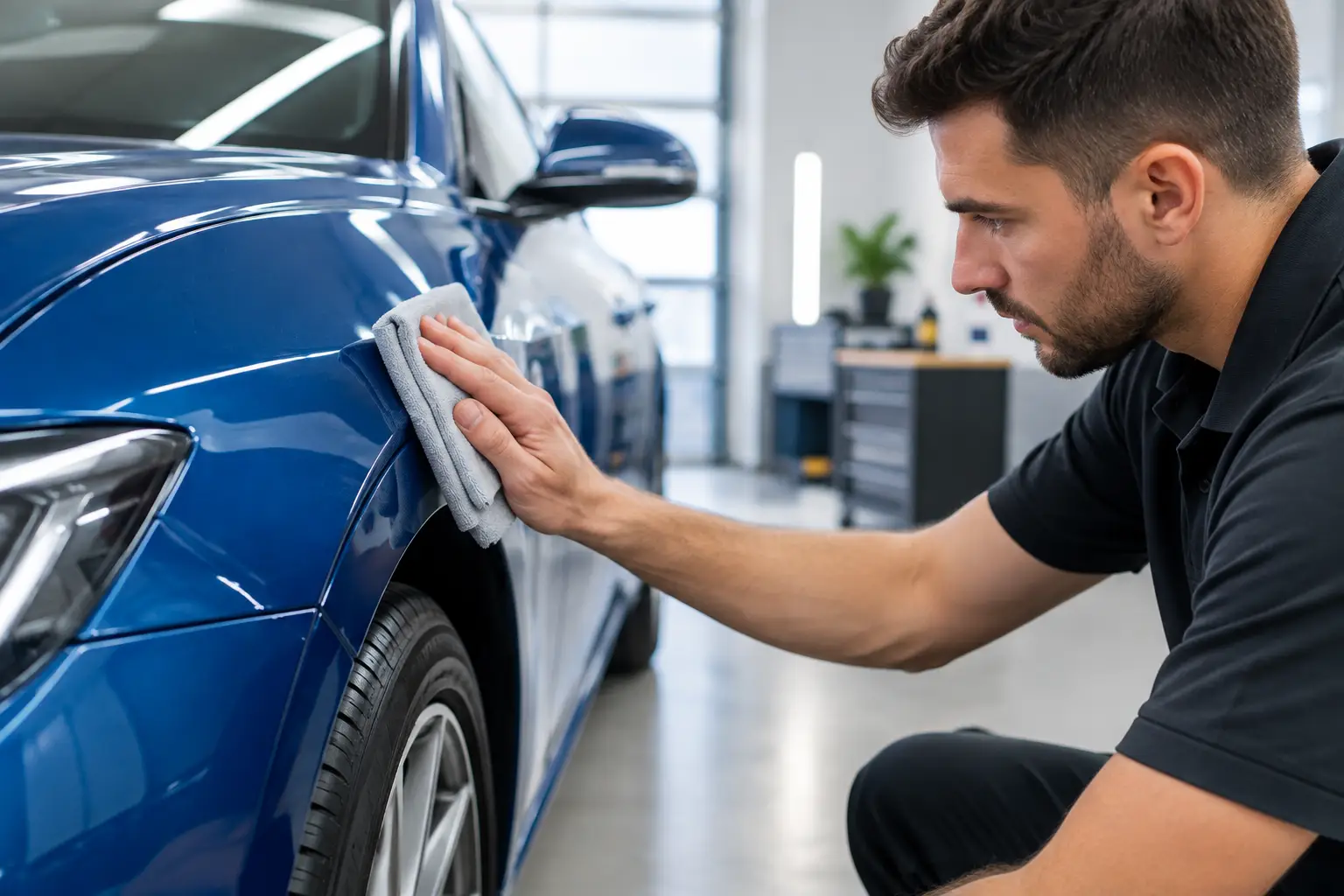
A vehicle can look clean in the shade and still show every swirl, scuff, and wash mark under direct sunlight. That is usually the moment owners ask, does paint correction remove scratches? The honest answer is yes, many scratches can be dramatically reduced or removed, but not every scratch can be polished away safely.
Paint correction is a precision process, not a cover-up. It levels defects in the paint’s upper surface to restore clarity, depth, and gloss. The result can be a major transformation, especially on dark paint, but the condition and depth of each scratch determine what is possible.
Does Paint Correction Remove Scratches or Just Hide Them?
Proper paint correction removes or reduces defects rather than temporarily masking them with glaze, wax, or filler-heavy products. A detailer uses specialized compounds, polishes, pads, machine polishers, and controlled technique to refine the clear coat surrounding a scratch. When the surface is leveled, light reflects more evenly and the defect becomes far less visible or disappears.
Most modern vehicles use a base coat for color and a clear coat on top for gloss and protection. Light swirl marks, towel marring, oxidation, and many shallow scratches sit in that clear coat. These are the defects paint correction handles best.
The trade-off is that correction works by removing a very small amount of clear coat. A skilled technician does not chase every last imperfection at the expense of paint health. The goal is to achieve the best possible finish while preserving enough clear coat for the vehicle to remain protected and maintainable.
The Scratch Depth Makes the Difference
A quick way to understand paint correction is to think about where the scratch stops. If it is confined to the clear coat, polishing may remove it. If it reaches the color coat, primer, or metal, the repair process changes.
Light Swirls and Wash Marring
Fine circular marks are common on daily drivers, especially when the vehicle has been washed with dirty towels, automatic brushes, or worn wash mitts. These defects are typically shallow and respond very well to paint correction. Depending on the paint type and condition, a one-step polish may significantly improve them, while a multi-stage correction can deliver a sharper, more refined finish.
Moderate Clear-Coat Scratches
Scratches from fingernails behind door handles, loading items into the trunk, brushing against branches, or improper drying may be more visible but still repairable. Many can be reduced substantially or removed if there is enough clear coat available.
Some moderate defects need localized wet sanding before polishing. This is a more advanced process that should be approached carefully. Wet sanding can improve a deeper clear-coat mark, but it also removes material more quickly than standard polishing and is not appropriate for every vehicle or panel.
Deep Scratches That Catch a Fingernail
The fingernail test is a useful first indicator. If your fingernail catches sharply in the scratch, it may be too deep for complete correction. That does not always mean the damage cannot be improved. Polishing can soften the edges, reduce how visible the mark looks, and improve surrounding gloss.
However, a scratch that has gone through the clear coat cannot be truly removed by paint correction alone. Attempting to level the surrounding paint down to the bottom of a deep scratch would remove too much clear coat. At that point, touch-up paint, spot repair, or repainting may be the better long-term solution.
Scratches Through the Paint
If you can see a white, gray, black, or metallic line beneath the vehicle’s color, the scratch may have reached primer, substrate, or bare metal. These defects require more than polishing. On exposed metal, timely repair matters because moisture and road salt can lead to corrosion - an especially practical concern for Metro Detroit drivers.
A professional inspection can determine whether paint correction should be part of the repair, whether touch-up will improve the appearance, or whether refinishing is necessary for the cleanest result.
What Paint Correction Can Improve Besides Scratches
Paint correction is often requested for scratches, but it also addresses the defects that make paint look dull or aged. Depending on the vehicle’s condition, correction can reduce water-spot etching, light oxidation, holograms from poor previous polishing, bird-dropping etching, light scuffs, and haze.
It can also bring out metallic flake, deepen darker colors, and improve the definition of reflections across the body panels. That visual improvement is why correction is often chosen before ceramic coating or paint protection film. Protection performs and looks better when it is installed over properly prepared paint.
Why Results Vary From Vehicle to Vehicle
No reputable shop should promise that every scratch will disappear before inspecting the vehicle. Paint varies widely by manufacturer, model year, color, repaint history, and previous detailing work. Some clear coats are harder and need more correction time. Others are softer and can mark easily, requiring a more careful finishing approach.
The amount of paint remaining matters just as much. A vehicle that has been aggressively polished in the past may not have enough clear coat for a heavy correction. Professional paint depth readings help identify potential concerns, particularly on older vehicles, repainted panels, and vehicles with unknown service history.
Paint condition also affects the recommended level of correction. A newer lease return may benefit from a conservative polish that improves gloss without overworking the paint. A well-kept enthusiast vehicle may justify a more intensive multi-stage correction. A daily driver with years of wash scratches may need a balanced approach focused on meaningful improvement and durable protection.
Paint Correction Is Not a Permanent Scratch Shield
Once corrected, paint can look remarkably close to new. But paint correction does not make the clear coat immune to future damage. Improper washing, dry wiping dust from the paint, tunnel car washes, winter grime, road debris, and careless parking can create fresh defects.
That is why protection and maintenance matter after correction. A ceramic coating can add durable chemical resistance, easier cleaning, and strong gloss retention. It does not stop rock chips or prevent every scratch, but it makes routine care easier and helps preserve the corrected finish.
For high-impact areas exposed to gravel, road debris, and highway driving, paint protection film provides a higher level of physical defense. PPF is especially useful on bumpers, hoods, mirrors, rocker panels, and other vulnerable areas. The right solution depends on how the vehicle is driven, where it is parked, and how long you plan to keep it.
How to Keep Corrected Paint Looking Its Best
After investing in paint correction, maintenance should be simple and deliberate. Use a quality pH-balanced car shampoo, clean microfiber towels, and a proper wash method that keeps abrasive dirt away from the paint. Avoid household cleaners, stiff brushes, and wiping a dusty vehicle dry.
Automatic brush washes are one of the fastest ways to reintroduce swirls. Touchless washes can be a better occasional option when a hand wash is not practical, although they may not remove heavy road film completely. In winter, regular rinsing is still worthwhile to remove salt and grime from painted surfaces, wheels, and lower panels.
For owners who want correction, coating, and long-term maintenance handled in one place, MYNT Customs can build a service plan around the vehicle’s current paint condition and the protection it needs.
When an Inspection Is Worth It
Photos can help identify obvious defects, but paint correction is best quoted after an in-person evaluation under proper lighting. A scratch that appears severe in a phone photo may be surface transfer or clear-coat marring. Another that looks minor may have penetrated the paint and require a different repair path.
The best outcome is not always 100 percent defect removal. It is a finish that looks noticeably clearer, glossier, and better cared for without taking unnecessary risks with the paint. If a scratch cannot be safely removed, a professional can explain the practical options and help you choose the repair that makes sense for your vehicle, budget, and ownership plans.