Are Ceramic Coatings Scratchproof? The Truth
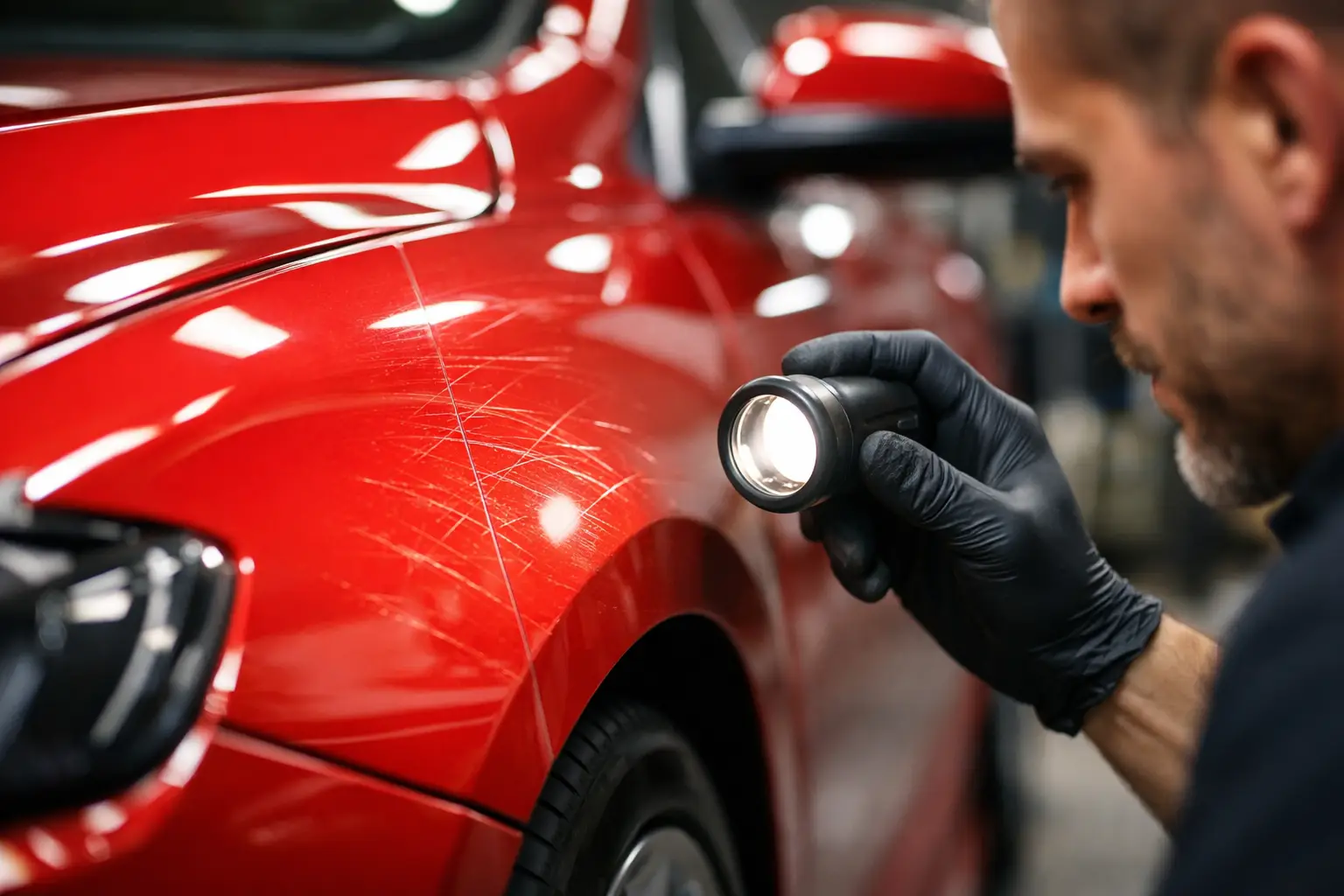
A new ceramic-coated vehicle can look impossibly slick after a wash, which leads to a fair question: are ceramic coatings scratchproof? No. A quality ceramic coating is highly resistant to chemicals, UV exposure, staining, and light wash-induced marring, but it is not an impenetrable layer of armor.
That distinction matters in Metro Detroit, where road salt, winter grime, construction dust, parking lots, and automatic car washes can all take a toll on paint. Ceramic coating delivers meaningful protection and makes maintenance easier. It simply needs to be matched to the type of protection your vehicle actually needs.
Are Ceramic Coatings Scratchproof? No, but They Help
A ceramic coating is a liquid polymer that chemically bonds to a vehicle's clear coat. Once cured, it creates a thin, durable, hydrophobic protective layer over the painted surface. Water beads and rolls away more easily, dirt is less likely to stick, and contaminants are easier to remove before they can stain or dull the finish.
That hardened layer can reduce the likelihood of very light surface marks, especially the fine marring that develops from improper washing, drying, or wiping down a dusty vehicle. It also helps keep the clear coat from being directly exposed to many everyday contaminants.
But thin is the key word. A ceramic coating is measured in microns, not millimeters. It cannot stop a shopping cart, a sharp rock, a door edge, a careless snow brush, or abrasive debris dragged across the paint. If the force can cut or deform the clear coat, it can also damage the coating beneath it.
Think of ceramic coating as a high-performance sacrificial layer for gloss, chemical resistance, and easier maintenance. It preserves the finish beneath it more effectively than wax or sealant, but it does not turn paint into a scratchproof surface.
What Ceramic Coating Protects Against
Ceramic coating offers strong value because most paint damage does not come from one dramatic event. It comes from repeated exposure to contaminants, sunlight, moisture, and poor maintenance. A professionally applied coating helps address those routine threats.
Its primary advantages include resistance to UV oxidation, bird droppings, bug residue, tree sap, road film, and many common chemicals. These contaminants still need to be removed promptly, but a coating gives them less opportunity to bond aggressively to the surface.
The hydrophobic effect is another practical benefit. Rainwater, wash water, and grime release more easily, so the vehicle stays cleaner longer and takes less effort to wash. That matters for daily drivers that see Michigan weather year-round. Less scrubbing and fewer harsh cleaning attempts can mean fewer opportunities to create wash marks.
A ceramic coating also enhances visual depth. Dark paint often gains a richer, wetter look, while lighter colors appear cleaner and crisper. On a properly corrected vehicle, the coating locks in that refined finish and helps it remain easier to maintain.
The Truth About “9H” Hardness
Many coating products are marketed with a 9H hardness rating. This can sound like a promise that the coating is harder than anything your vehicle will encounter. It is not.
The 9H figure generally refers to pencil-hardness testing under specific conditions. It does not mean the coating will prevent scratches from keys, rocks, concrete, metal objects, or automatic car-wash brushes. It also does not mean the coating cannot develop swirl marks over time.
A coating may be harder than the clear coat underneath it, and that can improve resistance to minor abrasion. Real-world scratches, however, involve pressure, angle, particle size, surface contamination, and impact. There is no coating that can eliminate all of those variables.
Where Ceramic Coating Can Still Scratch
Even a carefully installed ceramic coating can show damage when the vehicle is washed or handled improperly. The most common cause is friction. Dust, sand, and road grit are abrasive. Wiping a dry, dirty panel with a towel can drag those particles across the coating and leave visible marring.
Automatic brush washes are another frequent issue. Their brushes may hold dirt from previous vehicles, and repeated contact can create circular swirl marks. Touchless washes are gentler on the paint, though they may use stronger chemicals and do not always clean heavily soiled vehicles as thoroughly as a careful hand wash.
Winter adds its own challenges. Snow brushes, ice scrapers near painted edges, salt buildup, and frozen debris can all create surface damage. Ceramic coating makes decontamination easier after winter driving, but it cannot prevent physical abrasion from tools or trapped grit.
The good news is that some very light marring may be limited to the coating or uppermost surface. Depending on the coating system, paint condition, and severity of the mark, professional polishing may improve the appearance. Deeper scratches that reach the clear coat or base color require a different level of repair.
Ceramic Coating vs. Paint Protection Film
Ceramic coating and paint protection film solve different problems. Choosing between them comes down to how and where you drive your vehicle.
Paint protection film, often called PPF or clear bra, is a much thicker urethane film applied to vulnerable painted panels. It is designed to absorb road debris impacts and resist rock chips, scuffs, and scratches far better than ceramic coating. Many premium films also feature self-healing properties, allowing light surface scratches to disappear with heat.
For vehicles that frequently travel highways, sit low to the ground, or have expensive factory paint, PPF is the stronger choice for impact protection. High-risk areas usually include the front bumper, hood, fenders, side mirrors, rocker panels, and behind the wheels.
Ceramic coating is often the better fit for owners focused on gloss, easy cleaning, chemical resistance, and long-term paint maintenance. It can be applied over the full vehicle, including painted panels, wheels, trim, and glass where appropriate.
For maximum protection, many owners choose both. PPF protects high-impact areas from chips and physical damage, while ceramic coating is applied over the film and remaining painted surfaces to improve water behavior, gloss, and cleaning efficiency. This combination is especially practical for new luxury vehicles, performance cars, and daily drivers that see a lot of freeway miles.
How to Keep a Ceramic-Coated Vehicle Looking Its Best
The coating's performance depends heavily on how the vehicle is maintained. A professional installation gives you the right foundation, but maintenance determines how long the finish continues to look sharp.
Use a pH-neutral automotive shampoo, clean microfiber towels, and a safe wash process that removes loose contamination before making contact with the paint. The two-bucket method, high-quality wash media, and thorough drying habits all reduce the chance of dragging grit across the surface.
Avoid washing in direct sun whenever possible, especially when the paint is hot. Do not use household cleaners, abrasive polishes, or stiff brushes on coated paint. If bird droppings, tree sap, or bug residue land on the vehicle, remove them as soon as practical rather than waiting for the next scheduled wash.
It is also wise to schedule periodic professional maintenance. Even the best coatings can become covered by mineral deposits, traffic film, and embedded contamination that reduces water beading. This does not always mean the coating has failed. Often, the surface simply needs proper decontamination to restore its behavior.
Is Ceramic Coating Worth It If It Is Not Scratchproof?
Yes, for the right owner and expectation. Ceramic coating is not valuable because it makes paint invincible. It is valuable because it reduces the everyday burden of keeping a vehicle clean, glossy, and protected from the contaminants that gradually wear down an unprotected finish.
It is particularly worthwhile when applied after paint correction. Correcting swirls and defects first allows the coating to preserve a cleaner, more polished appearance instead of sealing in flaws. It can also support resale value by helping the vehicle maintain a well-cared-for exterior over time.
The best protection plan should reflect your vehicle, driving habits, budget, and standards for appearance. A weekend vehicle may benefit most from paint correction and ceramic coating. A commuter that faces expressway debris every day may need PPF on the front end, with ceramic coating added for easier maintenance across the rest of the vehicle.
The right expectation is simple: ceramic coating is not scratchproof, but it is one of the most effective ways to keep quality paint looking cleaner, glossier, and easier to care for. When physical impact protection is the priority, adding paint protection film to the highest-risk areas gives your vehicle a far more complete defense.