Used Car Reconditioning Guide for Better Resale
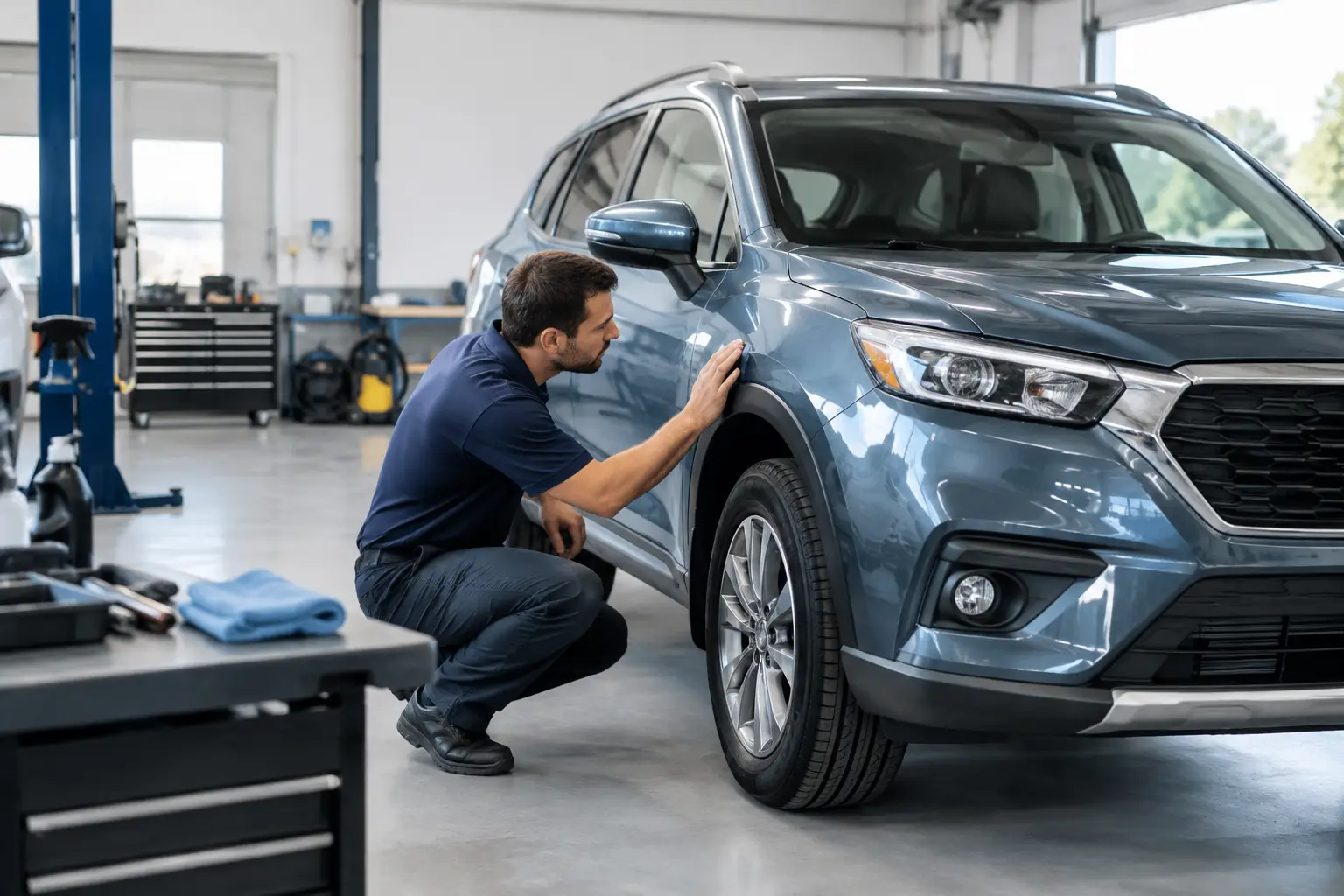
A vehicle can be mechanically reliable and still lose value because it looks neglected. Scuffed paint, embedded interior stains, cloudy headlights, and a dull finish all shape a buyer's first impression before the engine is started. This used car reconditioning guide focuses on the appearance work that makes a vehicle feel properly cared for, whether you are preparing to sell, returning a lease, or simply bringing a recent purchase up to your standards.
Reconditioning is not the same as a quick wash and vacuum. The goal is to correct visible wear where it makes financial sense, clean the areas buyers notice most, and protect the finish from taking on more damage. The best plan depends on the vehicle's age, mileage, condition, and intended use.
Start With an Honest Condition Assessment
Before scheduling services or buying products, inspect the vehicle in direct light. Walk around it slowly and look at the paint from multiple angles. Light scratches, swirl marks, water spots, oxidation, bumper scuffs, rock chips, and door-edge damage each require a different response. A clean vehicle can hide defects temporarily, but proper reconditioning starts by identifying them.
Inside, check the high-contact areas. The steering wheel, driver seat bolster, shifter, door pulls, carpets, cup holders, and trunk often tell the real story of how a vehicle has been used. Odors also matter. Smoke, pet hair, food spills, and moisture-related smells can reduce buyer confidence quickly, even when the rest of the cabin looks presentable.
Avoid treating every flaw as a full restoration project. A few deep scratches may require touch-up paint or localized repair, while heavy corrosion, torn upholstery, cracked trim, or mechanical warning lights may need a specialist. Appearance reconditioning delivers the best return when it improves what buyers can immediately see, touch, and smell.
Used Car Reconditioning Guide: Work in the Right Order
The sequence matters. Cleaning paint before correcting it gives a technician a clear view of defects. Protecting paint before removing contamination or swirl marks locks in a finish that still looks tired. Interior detailing should happen before final exterior finishing so dust and product residue are not carried back onto fresh paint.
A practical reconditioning process usually begins with a thorough wash, wheel and tire cleaning, chemical decontamination, and clay treatment when needed. This removes bonded contaminants that ordinary washing leaves behind. Once the surface is clean, the paint can be evaluated accurately for correction.
The interior follows with deep vacuuming, carpet and upholstery extraction where appropriate, leather cleaning and conditioning, careful trim cleaning, and glass cleaning. A professional detail also reaches the areas a basic service tends to miss, including seat rails, vents, door jambs, console seams, and cargo areas.
Correct the Paint Before You Protect It
Paint correction is one of the most noticeable upgrades available for a used vehicle. It uses machine polishing and proper abrasives to reduce or remove defects in the clear coat, such as wash-induced swirls, light scratches, haze, and oxidation. On darker vehicles, the difference can be especially dramatic because swirl marks show more clearly in sunlight and under parking lot lights.
Correction has limits. A scratch that catches a fingernail may be too deep to remove safely. Thin paint, previous bodywork, and sharp panel edges require a measured approach. The goal is not to chase every mark at the expense of clear coat thickness. It is to make the vehicle look substantially cleaner, glossier, and more uniform while preserving the paint for the long term.
For a car headed to market, a single-stage polish may be the right value-focused choice. It can noticeably improve gloss and reduce common defects without the time and cost of a more intensive multi-step correction. For a vehicle you plan to keep, more comprehensive correction may make sense before applying a longer-lasting protective coating.
Do Not Overlook Wheels, Tires, and Exterior Details
Buyers tend to notice wheels before they notice many smaller paint defects. Brake dust, stained barrels, faded trim, and brown tire sidewalls can make an otherwise clean vehicle look older than it is. A detailed wheel cleaning, tire dressing with a natural finish, and trim restoration can sharpen the entire vehicle's presentation.
Headlights deserve the same attention. Light oxidation reduces clarity and makes the front end look dated. If the lenses are yellowed or hazy, restoration followed by UV protection can improve both appearance and nighttime visibility. Severely damaged headlights may need replacement, but many can be improved significantly through the right process.
Clean door jambs, polished exhaust tips, streak-free glass, and a fresh engine-bay wipe-down can also make a difference. The key is restraint. An engine bay should look clean and maintained, not saturated with shiny dressing that suggests an attempt to hide leaks or problems.
Interior Reconditioning Builds Buyer Confidence
A clean interior has an outsized effect on perceived value because it is where a new owner will spend time every day. Start by removing trash and personal items, then address soil, stains, and odor at the source. Covering odors with fragrance is rarely effective. It can actually make buyers wonder what is being masked.
Fabric seats and carpets may need extraction, while leather needs products designed to clean without leaving a slick or greasy surface. Plastic panels, touchscreens, and piano-black trim should be handled carefully to avoid additional scratching. Matte interior finishes should look clean and even, not glossy.
If a vehicle has persistent smoke or pet odor, professional odor treatment may be worth the investment. It depends on the severity and the vehicle's price point. On a newer luxury vehicle or a late-model daily driver, odor removal can protect a sale that might otherwise be lost during the first test drive.
Choose Protection Based on the Next Owner or Your Ownership Plan
Once the vehicle has been cleaned and corrected, protection helps preserve the result. The right choice is based on how long you will keep the car, where it is parked, and how it is driven.
A quality paint sealant can be a practical choice for a vehicle being sold soon. It enhances gloss and adds short-term protection without adding unnecessary cost. Ceramic coating is better suited to owners who want durable chemical resistance, easier maintenance, and a consistently glossy finish over time. It does not make paint invincible, and it does not replace safe washing habits, but it can make a well-prepared finish easier to maintain.
Paint protection film is the stronger option for high-impact areas such as front bumpers, hoods, mirrors, rocker panels, and door edges. For Metro Detroit drivers, that can be especially valuable against road debris, winter grime, and daily highway mileage. It is generally an ownership investment rather than a pre-sale expense, unless the vehicle is a high-value model where preserved paint condition directly supports the asking price.
Window tint can also improve a vehicle's presentation and cabin comfort, but local regulations and tint condition matter. Old tint that is bubbling, purple, or peeling should be removed or replaced rather than left for the next owner to address.
Spend Where the Return Is Visible
Not every used car needs every service. A well-maintained, late-model vehicle may benefit most from paint correction, interior detailing, and durable protection. An older commuter car may need a deep interior reset, wheel cleaning, headlight restoration, and a clean exterior finish more than extensive polishing.
Prioritize the items that change the overall impression: paint gloss, clean glass, fresh wheels and tires, odor-free upholstery, and a tidy cabin. Keep receipts for recent maintenance and reconditioning work, especially if you are selling privately. They support the story that the vehicle has been cared for without trying to oversell it.
For owners who want professional results without guessing which package makes sense, MYNT Customs can assess the vehicle's condition and recommend appearance services that fit the vehicle's goals and budget.
A reconditioned used car does not need to look brand new to make a strong impression. It needs to look honest, clean, and cared for. Address the visible wear, protect the areas worth preserving, and let the condition of the vehicle speak for itself when it is time to drive it or sell it.