Ceramic Coating Versus Sealant: Which Is Better?
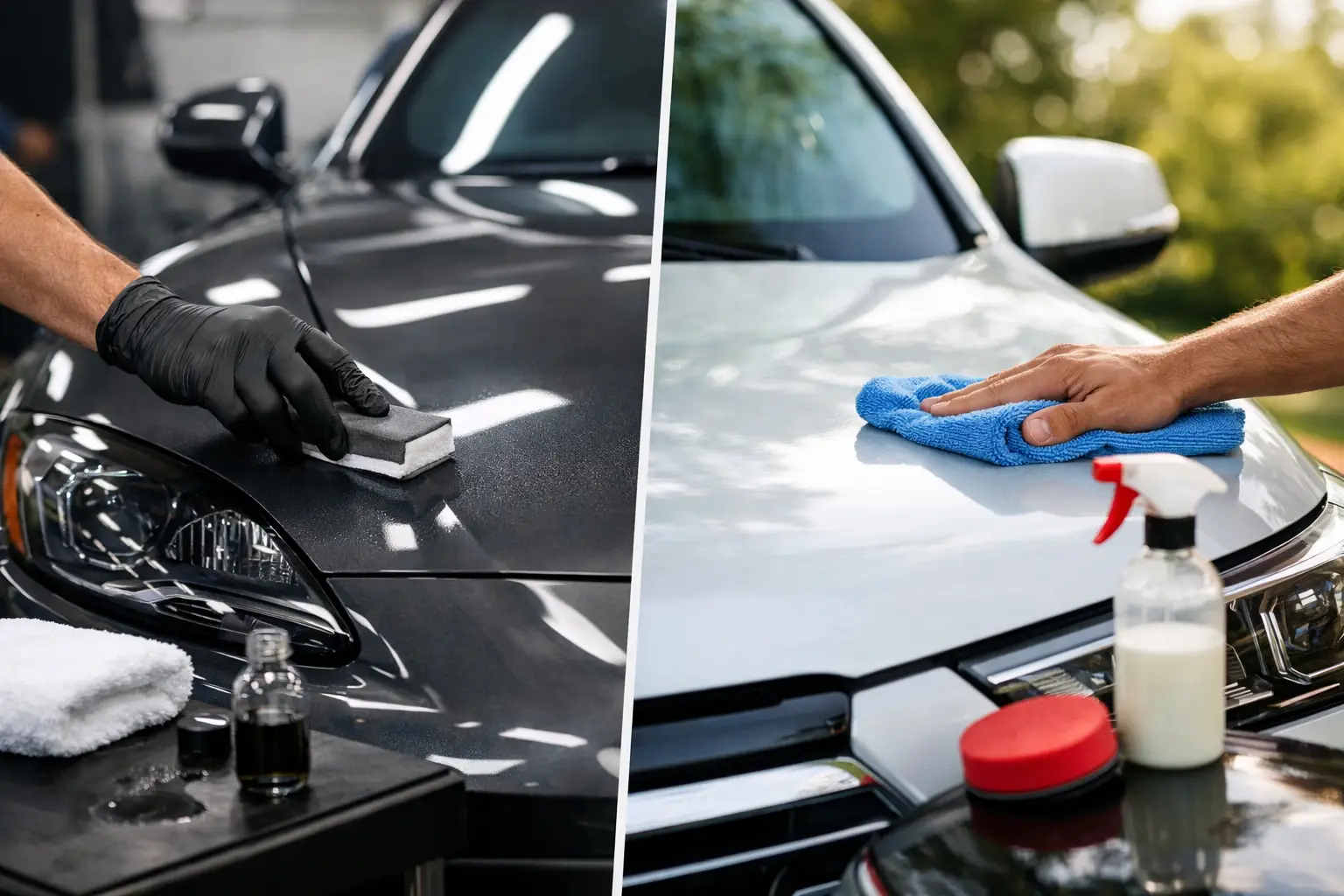
A Metro Detroit winter can make a clean vehicle look neglected in a matter of days. Road salt, grime, UV exposure, and routine washing all work against your paint. Ceramic coating versus sealant is not simply a question of which product makes a vehicle shine more. It is a decision about how long you want protection to last, how much preparation your paint needs, and how you plan to maintain the vehicle.
Both options can improve gloss, water behavior, and day-to-day cleanability. The difference is in their chemistry, durability, installation process, and long-term value. The right choice depends on your vehicle, budget, and expectations.
Ceramic Coating Versus Sealant: The Real Difference
A paint sealant is a synthetic protective product applied over clean paint. It creates a slick, glossy layer that repels water and adds a barrier between the finish and everyday contaminants. Quality sealants generally last longer than a traditional carnauba wax, but they remain a temporary form of protection.
A ceramic coating is a more advanced liquid polymer that chemically bonds with the vehicle's clear coat when professionally applied and cured. Rather than sitting on top of the paint like a conventional wax, it forms a durable protective layer designed to hold up through repeated washing, rain, sunlight, and contamination.
That bond is the key distinction. A sealant gradually wears away with time, weather, detergents, and wash abrasion. A professionally installed ceramic coating is built for longer service, often measured in years rather than months. Its longevity still depends on the specific coating, installation quality, storage conditions, and maintenance routine.
Neither product makes paint indestructible. Ceramic coating does not stop rock chips, prevent deep scratches, or replace paint protection film on high-impact areas. It does, however, provide stronger chemical resistance and easier cleaning than a standard sealant when the paint has been properly prepared.
How a Paint Sealant Performs
Paint sealant is a practical option for drivers who want noticeable shine and water beading without the higher upfront cost of a ceramic coating. It can refresh the appearance of a daily driver, add protection before a lease return, or keep a vehicle looking its best between major detailing services.
Most professional-grade sealants provide protection for several months, though actual performance varies. Frequent exposure to harsh weather, automatic car washes, strong cleaners, and road salt can shorten that window. In Livonia and the broader Metro Detroit area, winter conditions can be especially demanding on any temporary paint protection.
Sealants are also easier to reapply. That can be an advantage for an owner who enjoys maintaining their vehicle or prefers periodic detailing appointments. The trade-off is that the protection requires more frequent attention. If you want your paint to stay protected with minimal reapplication, a sealant may start to feel like a recurring task.
A sealant can deliver an impressive gloss, particularly on well-maintained paint. But it cannot hide swirl marks, oxidation, water spots, or deeper defects. If the finish is dull or scratched, paint correction should be considered before applying any protectant. Protecting imperfect paint only preserves the imperfections beneath it.
Why Ceramic Coating Costs More
The cost of ceramic coating is not only about the bottle of coating. The process begins with inspection and thorough decontamination. Embedded iron particles, tar, old waxes, oils, and bonded contaminants need to be removed so the coating can bond correctly.
For many vehicles, the most significant part of the service is paint correction. This step removes or reduces swirl marks, light scratches, haze, and other defects that keep paint from looking clear and reflective. A ceramic coating can amplify the depth and gloss of corrected paint, but it will also lock in visible defects if those defects are not addressed first.
After preparation, the coating must be applied evenly and allowed to cure under the right conditions. High spots, inconsistent coverage, or rushed prep can compromise the appearance and performance of the finished result. That is why professional installation matters, especially on dark paint, luxury vehicles, performance cars, and newer vehicles where owners want the finish to stay sharp for years.
The upfront investment is higher than sealant, but the long-term value can make sense for owners who plan to keep their vehicle. Ceramic coating reduces the effort required to maintain a clean appearance and helps protect against common sources of paint degradation, including UV exposure, bug residue, bird droppings, tree sap, and road film.
Durability, Gloss, and Maintenance Compared
When comparing ceramic coating versus sealant, durability is usually the deciding factor. A sealant is ideal for short- to medium-term protection. Ceramic coating is better suited to long-term ownership and drivers who want lasting performance from a professionally prepared finish.
Ceramic coatings are known for strong hydrophobic behavior. Water tends to bead and sheet off the treated surface more effectively, helping reduce the amount of dirt and mineral residue that remains after rain or washing. This does not mean a coated vehicle stays clean forever. It means washing is typically faster, and contaminants are less likely to bond aggressively to the surface.
Sealants also offer water beading and slickness, especially when freshly applied. Their performance simply diminishes sooner. For a vehicle that is washed, polished, and protected regularly, this may be perfectly acceptable. For a busy owner who wants the vehicle to look consistently cared for with less frequent protection service, ceramic coating has the advantage.
Gloss is more nuanced. A properly corrected vehicle can look outstanding with either option. Ceramic coatings often create a crisp, glass-like appearance that enhances paint clarity and depth. Sealants tend to produce a bright, smooth finish as well, but the visual result is more temporary. The condition of the paint underneath has a greater impact on gloss than the protection product alone.
When Sealant Is the Better Choice
A sealant is not an inferior decision. It is the right solution in several situations. If you are preparing a vehicle for sale, returning a lease, or looking for seasonal protection before summer or winter, sealant can offer excellent results for the investment.
It also works well for owners who use their vehicle hard and are comfortable with regular detailing. A work truck, high-mileage commuter, or vehicle that may be replaced soon may not need a multi-year coating package. In those cases, a professional detail with paint sealant can improve presentation, protect the finish, and keep maintenance manageable.
Choose sealant when the priority is a lower initial cost, short-term improvement, or a protection plan that can be refreshed routinely. It is especially useful when paint correction and permanent-looking gloss are not the primary goal.
When Ceramic Coating Is Worth It
Ceramic coating is a strong fit for new vehicles, enthusiast cars, luxury models, and daily drivers owners intend to keep. It is also a smart choice for anyone who values a clean, polished appearance but does not want to schedule protection reapplication every few months.
For a new vehicle, coating the paint early can help preserve the finish before heavy wash marring and environmental contamination take hold. For an older vehicle, correcting the paint first and then coating it can dramatically improve clarity and make future maintenance easier.
Ceramic coating is particularly valuable for dark-colored vehicles. Black, deep blue, and charcoal paint can look exceptional after correction and coating, but these colors also show wash scratches and dirt quickly. A coated surface will not eliminate the need for careful washing, yet it gives owners a better foundation for keeping those finishes looking refined.
If your concern is impact damage from gravel, road debris, or highway driving, consider combining ceramic coating with paint protection film. PPF is designed to absorb the physical abuse that a ceramic coating cannot. Coating can then be applied to painted surfaces, film, wheels, and trim for easier cleaning and improved chemical resistance.
Get the Result the Paint Condition Calls For
The best protection package starts with an honest look at the vehicle. Paint age, existing defects, driving habits, parking conditions, and ownership timeline all matter. A new garage-kept vehicle will have different needs than a daily driver that spends every winter on I-96 or I-275.
At MYNT Customs, the goal is not to force every vehicle into the same service. A professional assessment can determine whether a paint sealant provides the right value now or whether paint correction and ceramic coating will better protect the investment over time. The right choice should leave your vehicle easier to maintain, more enjoyable to look at, and ready for the miles ahead.