How to Prep Your Vehicle for Resale Detailing
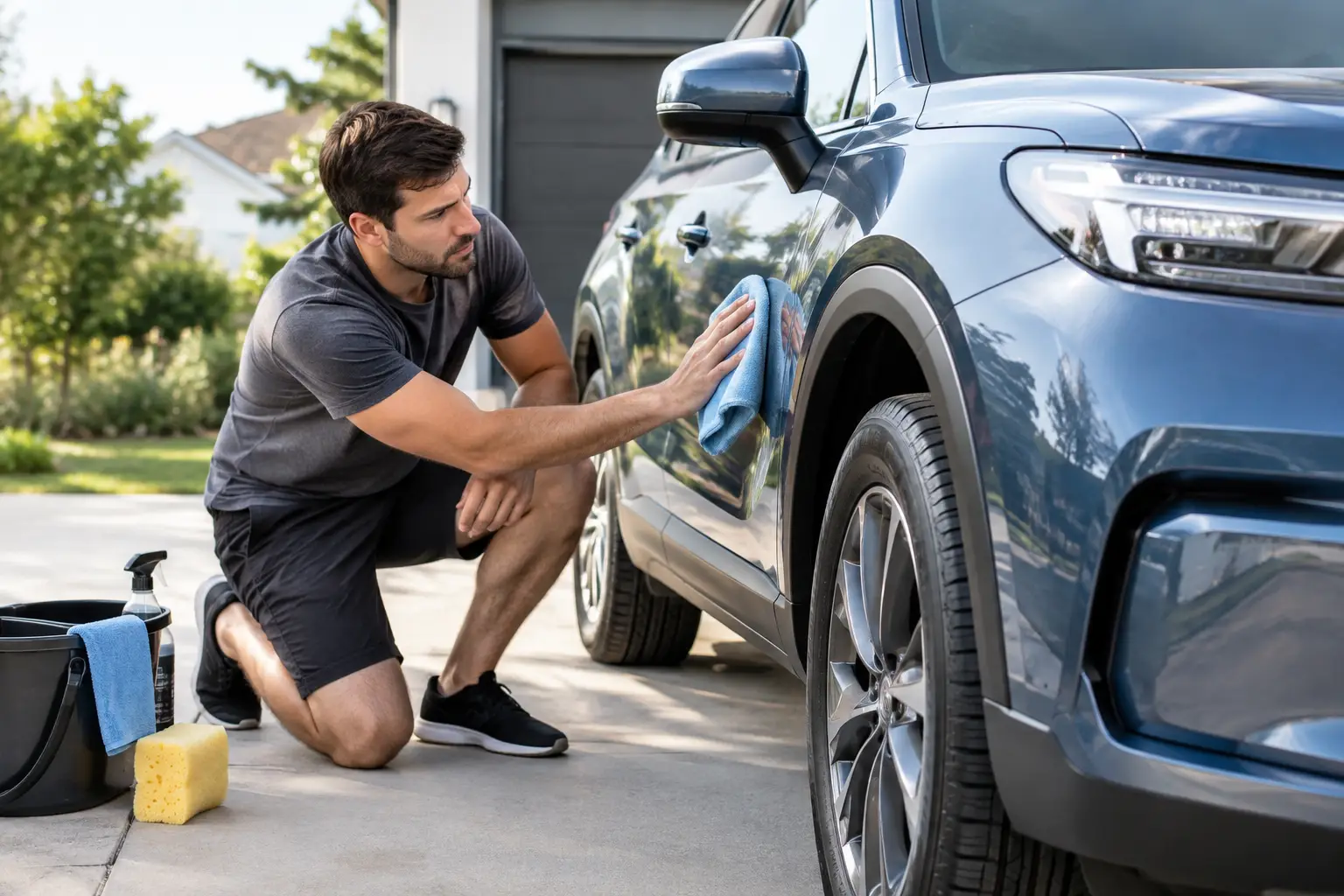
A buyer can spot a neglected vehicle before the test drive begins. Dust in the vents, stained upholstery, cloudy headlights, curb-rash wheels, and a paint finish that looks flat all shape the first impression. To prep a vehicle for resale detailing effectively, start with an honest assessment of its condition, then invest where the improvement will be visible and credible to a buyer.
Resale preparation is not about disguising problems or spending without a plan. It is about presenting a well-cared-for vehicle, reducing avoidable objections, and helping your asking price feel justified. For many Metro Detroit sellers, professional detailing delivers the strongest return when it is paired with basic maintenance, thoughtful repairs, and a clean listing strategy.
Start With the Buyer’s First Impression
Before scheduling any work, walk around the vehicle as if you are seeing it for the first time. Look at it outdoors in direct sunlight and again in a shaded area. Sunlight reveals swirl marks, oxidation, paint chips, dents, and uneven gloss that may not stand out in the garage.
Then sit in every seat. Check for odors, pet hair, crumbs under the seats, stained carpets, sticky controls, and worn areas on the steering wheel or center console. Buyers may accept normal wear for the mileage and age, but they are much less forgiving when a vehicle looks dirty or poorly maintained.
Write down what you find, then separate the items into three categories: maintenance or safety concerns, obvious cosmetic issues, and normal age-related wear. A warning light, worn tires, brake concern, or visible fluid leak deserves attention before appearance upgrades. Detailing can enhance presentation, but it should never be used as a substitute for necessary repairs.
Prep a Vehicle for Resale Detailing With a Plan
The best detailing package depends on the vehicle’s condition, age, market position, and expected sale price. A late-model luxury SUV being sold privately may benefit from paint correction, interior reconditioning, and a durable exterior protectant. An older commuter car may need a thorough interior and exterior detail, odor treatment, headlight restoration, and touch-up work to look honest and cared for.
Set a budget based on the likely value added, not simply on what sounds impressive. It rarely makes sense to invest heavily in high-end protection on a vehicle you plan to sell next week, unless the service is already part of a broader ownership plan. Buyers usually respond most strongly to clean paint, a fresh interior, clear lights, tidy wheels, and documentation that supports the vehicle’s condition.
A professional inspection helps identify the work that will show up in photos and during an in-person walkaround. At MYNT Customs, resale-focused recommendations should be tailored to the vehicle rather than built around a one-size-fits-all package. The goal is a finish that looks properly maintained, not artificially overdone.
Address Mechanical and Maintenance Items First
Finish basic service before the detail whenever possible. An oil change, tire rotation, replacement wiper blades, topped-off fluids, and correction of dashboard warning lights can all support buyer confidence. Keep the receipts. A folder of recent maintenance records often carries more weight than a verbal promise that the vehicle has been cared for.
If you know about a mechanical issue you do not intend to repair, disclose it clearly. Buyers are more comfortable with an honest explanation than an unpleasant surprise after the sale. Transparency also helps you price the vehicle realistically and avoid wasting time with buyers whose expectations do not match the car.
Remove Personal Items Before Your Appointment
Empty the trunk, glove box, center console, door pockets, and under-seat storage areas. Take out child seats, phone mounts, old paperwork, sports gear, and aftermarket accessories you plan to keep. This gives the detailing team access to every surface and prevents important personal items from being misplaced.
Leave the owner’s manual, service records, wheel-lock key, spare key, and any factory accessories in one organized place. If the vehicle includes cargo covers, extra floor mats, a charging cable, or a spare tire kit, make sure they are clean and present. Missing equipment can create unnecessary negotiation points.
Focus on the Areas Buyers Notice Most
A complete detail matters because buyers notice more than glossy paint. They run their hands across door handles, look through the windshield, inspect the driver’s seat, open the trunk, and smell the cabin. The small details communicate how the vehicle has been treated over time.
Paint, Glass, Wheels, and Trim
A careful exterior detail removes road film, brake dust, bug residue, and embedded contamination that regular washing leaves behind. Once the surface is clean, paint correction can reduce visible swirls, light scratches, oxidation, and dullness. It does not remove every deep scratch or rock chip, and a reputable detailer should be clear about that before work begins.
Correcting the paint can make a dramatic difference in listing photos, especially on black, dark blue, and other colors that reveal imperfections easily. A quality wax, sealant, or other appropriate protectant adds gloss and helps the vehicle stay cleaner while it is being shown. For a quick resale timeline, the focus is typically appearance and short-term maintenance rather than a long-term ceramic coating investment.
Clean wheels and properly dressed tires make the vehicle look newer from the curb. Faded plastic trim, dirty wheel wells, and hazy headlights can undercut an otherwise polished exterior. Headlight restoration is particularly valuable when oxidation reduces clarity, but severely damaged lights may require replacement to meet safety or inspection needs.
Interior Condition and Odor Control
The interior often decides whether a prospective buyer feels good enough to make an offer. A deep interior detail should address carpeting, upholstery, leather or vinyl surfaces, cup holders, door panels, dashboard crevices, headliner spots, and the cargo area. Steam cleaning and extraction can improve the look of heavily used fabrics, although permanent dye stains, burns, and worn material may remain visible.
Odor requires a more deliberate approach. Air freshener cannot solve smoke, mildew, pet, or food odors. The source must be identified and cleaned first, which may involve carpet extraction, upholstery treatment, cabin-filter replacement, or specialized odor remediation. If an odor is significant, handle it before photographing or showing the car. Buyers notice it immediately.
Avoid Common Resale Prep Mistakes
The biggest mistake is waiting until the day before you list the vehicle. Quality interior cleaning, paint correction, odor removal, touch-up work, and minor repairs may need time. Rushing can lead to missed areas, wet carpets, or a vehicle that is not ready for photos.
Another mistake is using cheap shine products everywhere. Excessively glossy tires, greasy dashboards, and slick leather can look unnatural and may even make buyers question what is being covered up. A professional finish should look clean, conditioned, and appropriate for the material.
Be cautious with DIY touch-up paint as well. A poorly matched blob of paint can draw more attention than a small chip. For minor imperfections, ask whether a professional touch-up approach will improve the appearance enough to justify the cost. Some wear is best left visible and reflected in the price.
Do not forget the details outside the cabin. Remove dealership stickers if appropriate, clean the engine bay carefully, wash the floor mats, and make sure the license plate area is presentable. Avoid soaking electrical components or aggressively dressing engine-bay plastics. Clean and orderly is the standard, not showroom theatrics.
Detail Before You Photograph and List
Schedule photos as soon as the vehicle is clean and dry. Use a simple background, shoot in even daylight, and capture the exterior from multiple angles along with the interior, cargo area, wheels, dash, and any desirable features. Clean photos set expectations accurately and attract buyers who are more likely to take the vehicle seriously.
Your listing should match the vehicle’s presentation. Mention recent maintenance, professional detailing, new tires, or restored headlights when those items are relevant, but do not overstate the condition. If there are imperfections, include clear photos or describe them directly. Buyers who arrive with realistic expectations are more likely to negotiate fairly.
Keep the vehicle clean between showings. Park away from sprinklers and trees when possible, wipe away fresh dust or fingerprints, remove trash immediately, and carry a microfiber towel for quick touch-ups. A freshly detailed vehicle can lose its edge quickly during a week of fall leaves, rain, or daily commuting.
A clean, well-presented vehicle does more than photograph better. It gives buyers fewer reasons to hesitate and makes responsible ownership easier to see. Put the budget into the repairs and reconditioning that buyers can recognize, then let the condition of the vehicle speak for itself.