How a Clean Engine Bay Protects Vehicle Value
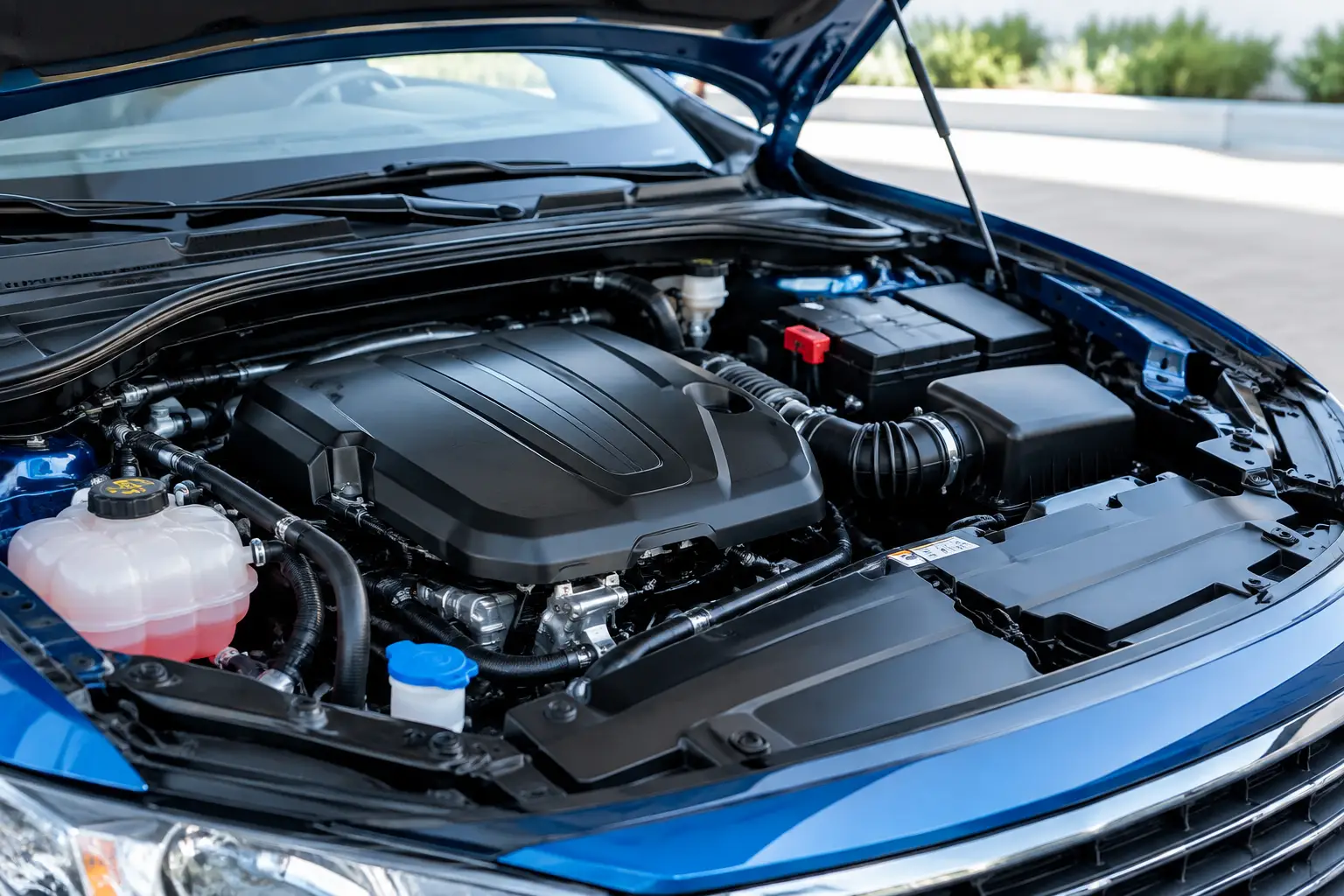
A clean engine bay changes how a vehicle feels the moment the hood opens. It signals that the car has been cared for beyond the paint, wheels, and interior. More importantly, removing built-up grime can make routine inspections easier, help identify small leaks sooner, and support stronger resale or trade-in presentation.
For Metro Detroit drivers, the engine compartment deals with more than ordinary dust. Road salt, moisture, oily residue, pollen, and winter grime can collect under the hood over time. The goal is not to make the engine bay look artificially glossy. It is to clean it safely, preserve the proper finishes, and leave the area looking cared for without creating new problems.
Why a Clean Engine Bay Is Worth the Attention
The engine bay is not a purely cosmetic space. While modern engines are designed to handle heat, moisture, and normal road conditions, accumulated contamination can hide the things an owner should be able to see. A slow fluid seep, cracked hose, worn belt, loose connection, or chewed insulation is harder to spot when every surface is covered in dust and residue.
A clean compartment gives technicians and owners a clearer starting point during service. It does not prevent mechanical issues, but it can make changes more visible. If fresh oil, coolant, or other fluid appears after cleaning, it is easier to identify that the vehicle needs attention.
Presentation matters, too. Buyers notice details. When someone opens the hood of a vehicle being sold or traded, a neglected engine bay can raise questions about the rest of its maintenance history, even when the car runs well. A properly detailed engine area supports the same message as polished paint and a clean interior: this vehicle has been respected.
That is especially relevant for luxury vehicles, performance cars, enthusiast builds, and newer daily drivers with strong resale value. It can also be a smart detail for leased vehicles approaching turn-in or for owners preparing a vehicle for private sale.
What Builds Up Under the Hood
Most engine bays become dirty gradually. Because the area is out of sight, many owners do not notice the buildup until it is severe. Light dust is normal, but mixed contamination is what creates the dull, neglected appearance.
Common sources include road dust, salt mist, water spotting, leaves, pollen, oily vapors, old dressing residue, and small spills during fluid service. In Michigan, winter driving can accelerate the issue. Salt and moisture find their way into areas around the hood hinges, cowl, firewall, and lower engine compartment, where grime can stay trapped.
Plastic covers and trim often fade or turn chalky from heat and contamination. Rubber hoses can look dry. Painted surfaces around the strut towers, inner fenders, and hood underside can lose their clean finish. None of that automatically means the vehicle is damaged, but it can make a well-maintained car look older than it is.
Why Engine Bay Cleaning Requires a Careful Process
An engine bay is not the place for a high-pressure rinse and a generic degreaser. The modern compartment contains electrical connectors, sensors, fuse boxes, battery terminals, air intake components, and delicate finishes. The safest approach depends on the vehicle, its age, its condition, and whether there are known mechanical or electrical concerns.
A professional process begins with inspection. The technician should look for exposed wiring, damaged insulation, leaking fluids, loose caps, aftermarket electronics, and areas that should not receive direct moisture. If there is an active issue under the hood, cleaning may need to wait until the underlying repair is addressed.
From there, the focus is controlled cleaning. Appropriate cleaners are applied selectively, agitation is kept gentle, and moisture is managed rather than sprayed indiscriminately. Brushes, microfiber towels, compressed air, and low-pressure methods can be more effective than simply adding more water.
After cleaning, surfaces need to be dried thoroughly. This step matters as much as the wash itself. Proper drying helps reduce water spotting and keeps moisture from sitting around connectors, trim, and crevices. A quality finish may include dressing suitable plastic and rubber components with a non-greasy, factory-fresh appearance rather than a slippery, overly shiny look.
What Not to Do When Cleaning Under the Hood
DIY engine bay cleaning can be reasonable for an owner who understands their vehicle and uses restraint. It can also go wrong quickly when the process is rushed. Avoid treating the engine compartment like the exterior body panels.
Do not spray high-pressure water directly at electrical components, fuse boxes, alternators, exposed filters, or sensitive connections. Do not saturate the engine bay with heavy degreaser and allow it to dry in place. Strong chemicals can stain aluminum, degrade certain finishes, and leave residue where it does not belong.
It is also best to avoid cleaning a hot engine. Heat can cause products to dry too quickly, create spotting, and make the work less safe. Allow the vehicle to cool before any cleaning begins.
Another common mistake is using thick, shiny tire dressing on every black component. It may look dramatic for a day, but it attracts dust, can become messy, and rarely delivers the refined finish most owners want. Clean, even, low-sheen surfaces look better and are easier to maintain.
When Professional Engine Bay Detailing Makes Sense
Professional service is the better choice when the vehicle has heavy grime, oil residue, corrosion concerns, a complex or tightly packaged engine compartment, aftermarket wiring, or high-value finishes. It is also a smart option before a sale, car show, dealership appraisal, major detailing appointment, or seasonal reset after winter.
For owners who have invested in paint correction, ceramic coating, paint protection film, or premium detailing, the engine bay is often the missing piece of the overall presentation. A corrected exterior and clean wheels make a stronger impression when the area under the hood receives the same level of care.
At MYNT Customs, engine bay cleaning can be approached as part of a complete appearance plan rather than an isolated add-on. The right service should match the vehicle's condition and the owner's goals, whether that means refreshing a daily driver or preparing a prized vehicle for a higher-level presentation.
How Often Should You Clean an Engine Bay?
There is no single schedule that fits every vehicle. A garage-kept weekend car may only need a light refresh once or twice a year. A daily driver that sees Michigan winters, construction zones, long commutes, or frequent road travel may benefit from seasonal attention.
A practical approach is to inspect the engine compartment during routine washes, oil changes, or tire rotations. Remove loose leaves and obvious debris when you see them. If dust begins to obscure plastics and painted surfaces, or if oily residue is building up, schedule a proper cleaning before it becomes more difficult to manage.
The condition of the vehicle matters more than a rigid calendar. Overcleaning with harsh products can be just as unhelpful as ignoring the area for years. Controlled maintenance preserves the clean look without putting unnecessary stress on materials.
A Better Standard Than a Shiny Engine Bay
The best engine bay detail looks clean, dry, and believable. Paint should be free of grime, plastics should look even, rubber should appear conditioned rather than wet, and service areas should remain accessible. There should be no standing water, no harsh chemical odor, and no greasy film collecting dust after the vehicle leaves.
That standard protects the vehicle's presentation while respecting the systems that keep it running. Whether you are maintaining a daily driver, protecting a new purchase, or preparing for resale, a clean engine bay is one of those details that quietly reinforces the value of the entire vehicle.