Best Detailing for Resale Value That Pays Off
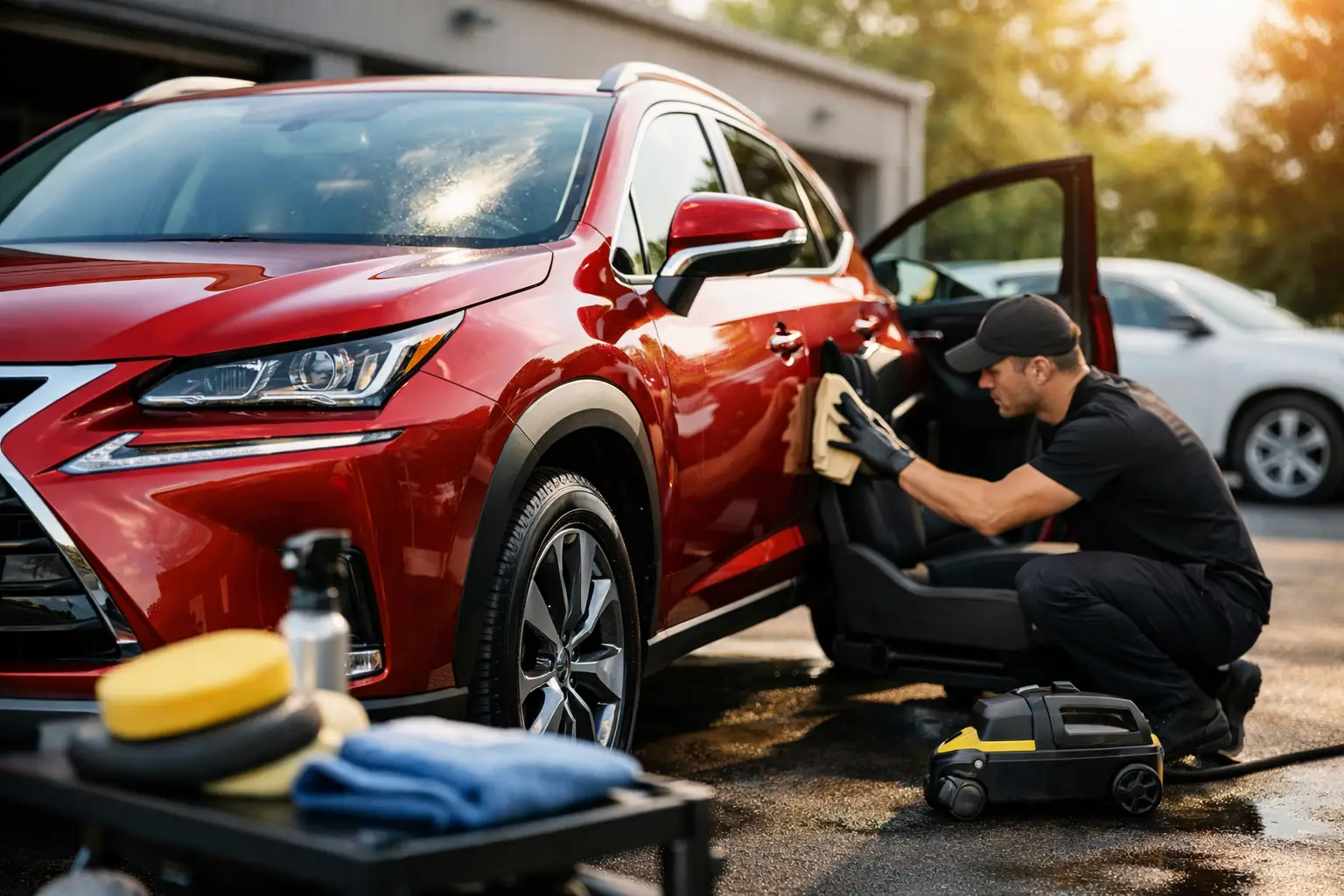
A buyer can forgive a few miles on the odometer. They are far less likely to forgive cloudy paint, stained seats, brake dust baked into the wheels, or an interior that smells neglected. The best detailing for resale value is not about making a vehicle look artificially perfect. It is about presenting a well-maintained vehicle honestly, correcting the visible signs of use, and giving buyers confidence before they start negotiating.
For sellers across Livonia and Metro Detroit, the right service depends on the vehicle’s age, condition, price range, and how soon it will be listed. A detailed daily driver does not need the same level of correction as a late-model luxury vehicle or enthusiast car. The goal is to put money into the areas buyers notice first and avoid paying for work that will not return value.
Start With What Buyers See and Touch
Most purchase decisions begin before the test drive. A buyer walks around the vehicle, checks the paint in the light, opens the door, sits down, and takes in the interior condition within seconds. If those first impressions are clean and cared for, the conversation starts from a stronger position.
Exterior appearance matters because it suggests how the vehicle was owned. Dull paint, embedded contamination, faded trim, and dirty wheel barrels can make a mechanically sound vehicle feel older than it is. Inside, crumbs, pet hair, sticky surfaces, stains, and odors create the same problem. A buyer may assume deferred maintenance even when the service records say otherwise.
Professional detailing addresses that gap between actual condition and perceived condition. It does not change the mileage or erase a vehicle history report, but it can make the condition look consistent with the asking price.
The Best Detailing for Resale Value Prioritizes Paint
Paint condition has an outsized effect on how a vehicle photographs, how it looks on a dealer lot or driveway, and how buyers judge its care. Washing alone is rarely enough before a sale. Road film, iron deposits, tree sap, and bonded contaminants can leave paint feeling rough and looking flat, even when it is technically clean.
A thorough exterior detail should begin with a careful wash and decontamination process. This removes the buildup that ordinary washing leaves behind and creates a cleaner surface for inspection. From there, the decision is whether the paint needs polishing or paint correction.
When a one-step polish is worth it
For many late-model vehicles with light swirl marks, water spots, and general dullness, a one-step polish delivers the best balance of cost and visual improvement. It can noticeably deepen the gloss, improve clarity, and reduce the light scratching that shows up under sun or lot lighting.
This is often the smart choice for a vehicle headed to market within weeks. The improvement is visible in photos and in person, without investing in an extensive multi-stage correction that may exceed the resale benefit.
When deeper paint correction makes sense
Multi-stage paint correction is more appropriate when the vehicle is high-value, enthusiast-owned, dark-colored, or visibly covered in deeper swirls and scratches. On the right vehicle, this level of work can make a dramatic difference. On an older commuter car, it may not be the most practical use of the budget.
A professional inspection matters here. Not every scratch can be safely removed, and promising a flawless finish on thin or compromised paint is not responsible. A quality detailer will recommend the level of correction that improves presentation while protecting the remaining clear coat.
Do Not Overlook Wheels, Glass, and Trim
Buyers notice the details that are easy to overlook when you see your own vehicle every day. Wheels are a prime example. Heavy brake dust, stained barrels, dull tires, and neglected wheel faces can make a newer vehicle look poorly maintained. Proper wheel cleaning, tire dressing, and attention to wheel wells give the exterior a finished appearance.
Clear glass also changes the entire presentation. Interior haze on the windshield, water spots on side glass, and dirty mirrors interfere with visibility and make a car feel less prepared. Clean glass helps photos look sharper and makes the test drive more pleasant.
Trim restoration can be valuable when exterior plastics have faded or look chalky. The key is using products that create a clean, natural finish rather than an overly shiny look. Buyers respond better to a vehicle that looks well cared for than one that appears dressed up to hide wear.
Interior Reconditioning Can Protect Your Asking Price
The interior is where buyers spend their time. A strong exterior gets attention, but the cabin often determines whether someone feels comfortable paying the number on the listing.
A resale-focused interior detail should include thorough vacuuming, compressed-air cleaning in seams and vents, wipe-down and conditioning of appropriate surfaces, glass cleaning, and treatment of carpets, mats, and upholstery. Leather should look clean and conditioned, not slick. Plastic and vinyl should look even and factory-fresh, not greasy.
Stain removal is especially important in light-colored interiors, family vehicles, and leased vehicles approaching turn-in. Coffee spills, salt residue, makeup, food marks, and dirty carpet traffic areas can all create the impression of heavy use. Some staining is permanent, particularly after years of neglect, but professional extraction and targeted treatment often produce a major improvement.
Odor deserves the same attention. Smoke, pet odor, mildew, and lingering food smells can stop a sale quickly because buyers worry about what caused them and whether they will return. Masking an odor with fragrance is not a solution. Effective odor treatment begins with finding and cleaning the source, then using the appropriate neutralization process.
Ceramic Coating and PPF: Valuable, But Not Always a Pre-Sale Add-On
Ceramic coating and paint protection film help preserve a vehicle’s condition over time. They are excellent ownership investments when applied early enough to protect paint from UV exposure, road grime, wash marring, rock chips, and everyday wear. A well-maintained coated vehicle can be easier to clean and can show better when it is time to sell.
However, applying a premium coating immediately before listing a typical vehicle is not always the best resale decision. Most private buyers will appreciate the gloss and protection, but they may not pay back the full installation cost. If you are selling soon, a professional decontamination, polish, and durable paint protection option may offer a better return.
PPF follows a similar rule. Existing PPF can be a meaningful selling point when it is in good condition, especially on performance and luxury vehicles. New PPF installed solely to sell is generally best reserved for specialty vehicles where paint preservation is a clear part of the value story.
Be transparent with buyers about any protective work completed. Documentation, maintenance records, and before-and-after photos can reinforce the care behind the presentation.
Match the Detail to the Vehicle and Sale Plan
A resale detail should fit the vehicle rather than follow a fixed package. A three-year-old SUV with light wear may benefit most from an exterior decontamination, one-step polish, full interior detail, and odor check. A ten-year-old sedan with cosmetic wear may need a deep interior cleaning, wheel cleanup, trim restoration, and a gloss-focused exterior service without extensive correction.
For a luxury, collector, or performance vehicle, the standard is often higher. Buyers in those categories inspect paint more closely, look for clean engine bays and door jambs, and may expect documented correction or protection services. In that case, more involved reconditioning can support the vehicle’s position in the market.
Timing also matters. Schedule detailing close enough to the listing date that the vehicle stays clean, but leave enough time for any upholstery drying, odor treatment, or paint correction. Once the work is complete, take photos promptly and keep the vehicle garaged or covered when possible.
Avoid the Common Pre-Sale Mistakes
The biggest mistake is waiting until the day before a buyer arrives. Rushed cleaning usually misses the details, and some issues, such as odor removal or heavily soiled upholstery, need more than a few hours to address properly.
Another mistake is using cheap shine products to make surfaces look newer. Excessively glossy tires, oily dashboards, and strong air fresheners can make buyers suspicious. Clean, neutral, and properly finished surfaces are more convincing.
Finally, do not expect detailing to repair damage that requires bodywork, mechanical service, or replacement parts. Detailing can improve the appearance of minor defects and reduce signs of daily use. It should support an honest listing, not cover up issues a buyer deserves to know about.
A professional consultation before listing can help you focus on the services that make a visible difference for your specific vehicle. At MYNT Customs, that means treating resale preparation as targeted reconditioning, not just a quick wash. When your vehicle looks cared for from the first photo to the final test drive, buyers have one less reason to negotiate your price down.