PPF Installation Results That Look Factory Clean
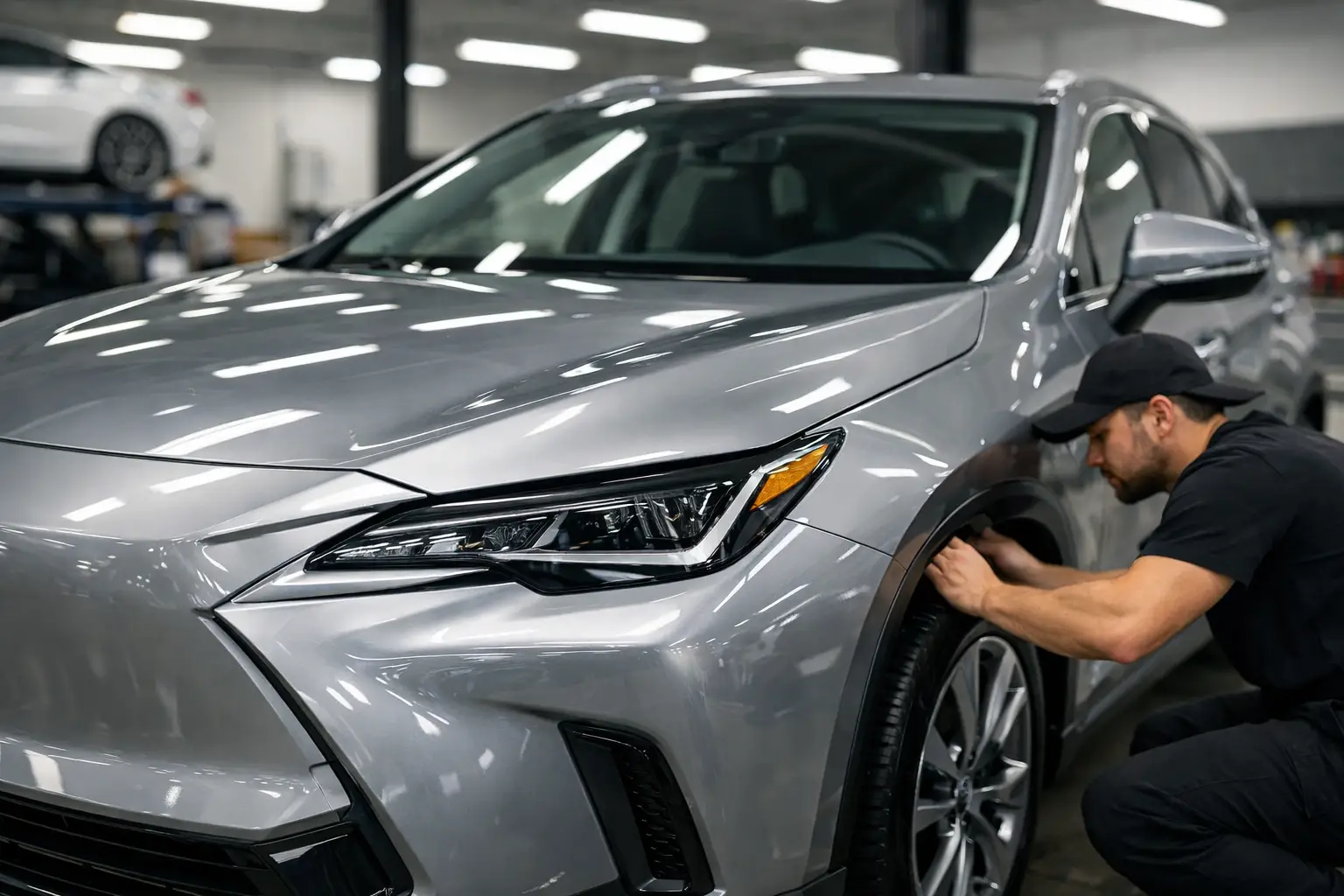
A new vehicle can pick up visible damage faster than most owners expect. Highway grit, construction debris, winter road treatment, tight parking lots, and everyday washing all take a toll on the front end. Quality PPF installation results change that equation by adding a nearly invisible barrier between your paint and the road.
Paint protection film is not just about putting clear material on a panel. The finished appearance depends on film quality, surface preparation, pattern selection, installation technique, and the patience to finish edges correctly. When those details are handled well, the vehicle keeps its original color, gloss, and body lines while gaining meaningful protection where it matters most.
What Professional PPF Installation Results Should Look Like
The best paint protection film should be difficult to notice from normal viewing distance. It should look like the vehicle's paint, not like an accessory sitting on top of it. The film should lie flat, maintain even clarity, and follow curves without visible distortion.
On a properly installed vehicle, body lines remain sharp and reflections stay consistent from panel to panel. There should not be loose edges, excessive trapped debris, large bubbles, cloudy adhesive areas, or obvious stretch marks in the film. Corners and complex sections such as mirror caps, bumpers, rocker panels, and door edges require special attention because these are areas where rushed work often becomes visible.
Some minor moisture pockets or light haze can be normal immediately after installation. PPF is installed with a slip solution, and it takes time for remaining moisture to evaporate and the adhesive to settle. A professional installer will explain the expected curing period so you know what should improve naturally and what deserves a closer look.
Clean Edges Make a Major Difference
An edge is where paint protection film either disappears into the vehicle or draws attention to itself. Whenever possible, the film should be wrapped around panel edges rather than stopped on a flat, highly visible surface. This creates a cleaner finish and helps reduce the chance of contamination collecting along the line.
Not every panel allows full wrapping. Tight clearances, trim pieces, sensors, and factory construction can limit access. In those cases, a precise, consistent edge placement is the goal. The right approach depends on the vehicle and the coverage package, but the standard remains the same: the film should look intentional, clean, and secure.
Clear Film Should Preserve Paint Color and Gloss
Modern premium PPF is designed to remain optically clear while protecting the finish underneath. On light paint, this means the surface should stay bright and crisp. On black, dark blue, or metallic colors, the film should preserve depth and reflection instead of creating a dull or plastic-looking finish.
Most quality gloss films can make paint look freshly detailed because they add a smooth, even surface. That said, PPF does not replace paint correction. If a vehicle has swirls, scratches, water spots, or touch-up marks before installation, those defects can remain visible beneath a clear film. Preparing the paint first is often the difference between protection that looks good and protection that looks exceptional.
Why Surface Preparation Determines the Final Finish
PPF adheres to whatever condition the panel is in when work begins. Dirt in body seams, tar behind wheel arches, old wax residue, iron contamination, and embedded debris can all interfere with the finish. Proper preparation creates the clean foundation the film needs.
A professional process typically includes a detailed wash and decontamination, followed by inspection under proper lighting. Depending on the vehicle's condition, paint correction may be recommended to remove swirls or improve clarity before the film goes on. This is especially valuable on new vehicles that have already been transported, stored outdoors, or washed improperly at a dealership.
Preparation also gives the installer a chance to identify prior paintwork, chips, deep scratches, or panel irregularities. Paint protection film can help prevent future damage, but it cannot restore missing paint or make serious defects disappear. Clear expectations before installation lead to better results after it.
Coverage Choices Affect Your PPF Installation Results
The right coverage package depends on how and where you drive. A weekend performance car and a daily commuter traveling I-96 or I-275 face different exposure, but both benefit from protecting high-impact areas.
A partial front package commonly focuses on the leading edge of the hood, front bumper, mirrors, and front fenders. It provides targeted protection at a lower investment, though the film transition can be visible on certain panels. A full front package covers the complete hood, full fenders, front bumper, and mirrors for a more uniform appearance and broader coverage.
Full-vehicle PPF provides the most complete protection and is often considered for luxury vehicles, high-value builds, dark paint, or owners who want to preserve the entire finish long term. High-impact add-ons such as rocker panels, lower doors, rear wheel arches, door cups, trunk ledges, and loading areas can also make practical sense. These are the spots that often show wear first.
The goal is not to sell more coverage than a vehicle needs. It is to match the package to ownership plans, driving conditions, budget, and the areas most likely to take abuse.
Self-Healing and Hydrophobic Performance in Real Use
Many premium paint protection films include self-healing top coats. With heat from direct sunlight, warm water, or controlled heat application, light surface marks can soften and become less visible. This helps the finish stay cleaner-looking through normal use, especially on bumpers, door edges, and areas exposed to frequent washing.
Self-healing does not mean the film is indestructible. A deep scrape, sharp impact, or severe abrasion can still damage it. The advantage is that the film sacrifices itself before the paint takes the full impact. If a section becomes damaged, that panel's film can often be replaced without repainting the vehicle.
Hydrophobic top coats are another meaningful benefit. They help water bead and make road film, bug residue, and grime easier to remove. Owners still need to wash their vehicles correctly, but maintenance becomes simpler when contaminants have less ability to bond to the surface.
What Can Affect the Finish After Installation
Even excellent PPF installation results need sensible care. Avoid washing the vehicle immediately after installation, as the film needs time to cure. Your installer should provide a specific aftercare window based on the film and conditions.
Once cured, hand washing with quality products is the safest routine. Use clean wash media, avoid aggressive scrubbing at edges, and keep high-pressure water from being aimed directly into seams at close range. Automatic brush washes can cause marring and may shorten the visual life of any exterior finish, including PPF.
Small specks of dust near an edge can occasionally occur, particularly around complex panels. Professional installation is a controlled, detail-focused process, but no automotive environment is completely free of airborne contamination. What matters is placement, visibility, and whether it affects adhesion or appearance. A reputable shop should inspect the work with you and stand behind the finished product.
PPF Is Protection, Not a Shortcut
Paint protection film delivers its strongest value when owners see it for what it is: a preventative investment. It helps reduce damage from chips, abrasions, stains, and daily wear while maintaining a cleaner, more polished appearance. It is especially valuable for owners who plan to keep a vehicle, drive it regularly, protect a lease return, or preserve resale appeal.
At MYNT Customs, the focus is on results that look refined up close and remain practical on Metro Detroit roads. The right film, preparation, and coverage can keep the paint you paid for looking like it should long after the new-car feeling fades.
Before choosing a package, look closely at how you use your vehicle and where wear shows up first. The best PPF installation is the one that protects those areas without compromising the clean, factory-level finish you want to see every time you walk up to your car.