How to Care for PPF and Keep It Looking New
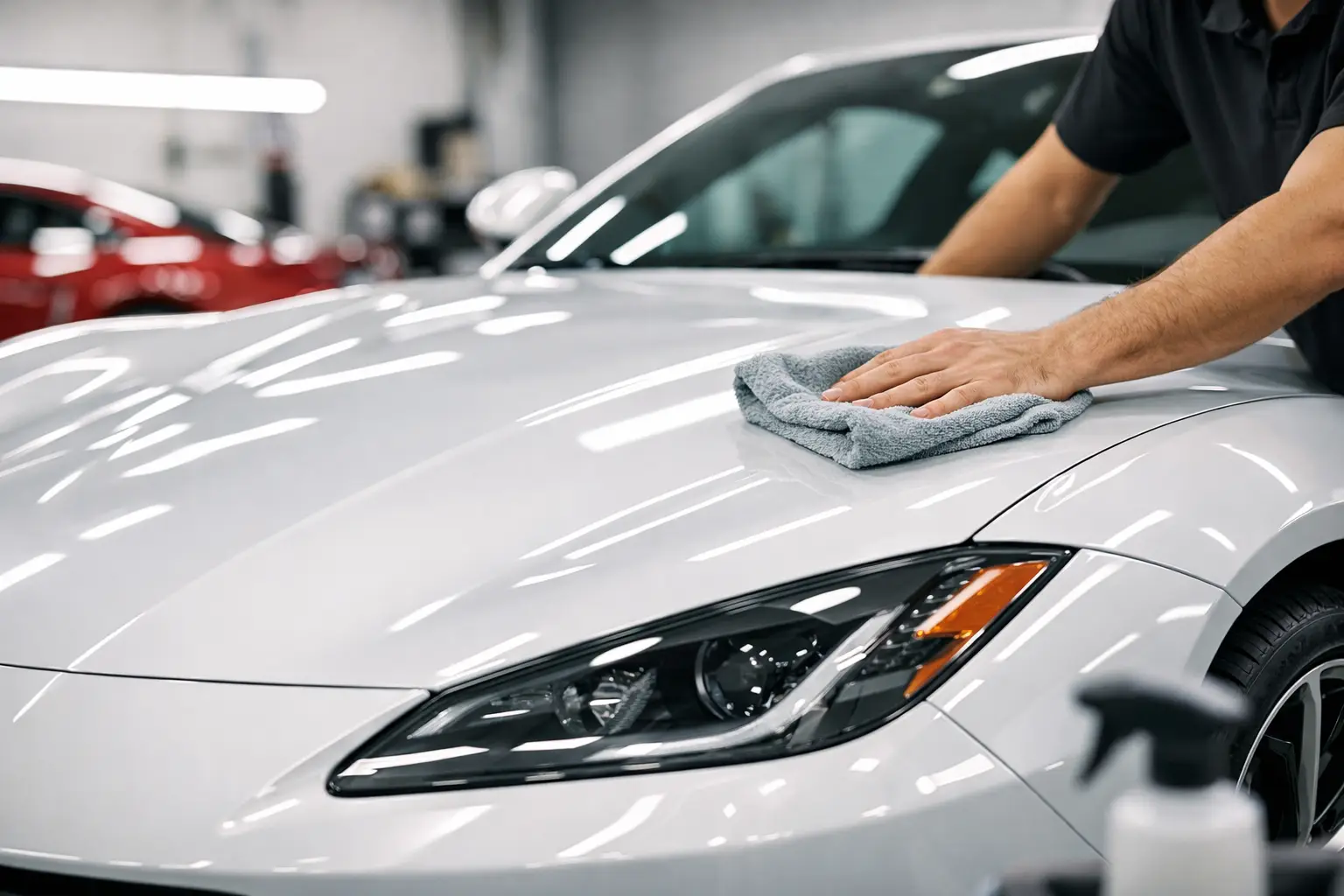
Fresh paint protection film has a clean, almost invisible finish that makes a vehicle look exceptionally well kept. The way it is washed and maintained after installation determines how long it stays that way. Knowing how to care for PPF helps protect the film's gloss, clarity, and self-healing performance while keeping the paint underneath in excellent condition.
PPF is built to handle the damage that daily driving brings: rock chips, road grit, bug residue, salt, and light surface marks. It is not maintenance-free, though. Poor wash habits, aggressive chemicals, and neglected contamination can dull its appearance or shorten its service life. The good news is that proper care is straightforward once you understand what the film needs.
How to Care for PPF After Installation
The first few days after installation are different from normal maintenance. PPF needs time to settle and fully adhere, particularly around edges, curves, and complex body panels. Follow the installer's specific aftercare instructions first, as cure times can vary with the film, weather, and coverage area.
As a general rule, avoid washing the vehicle for about seven days unless your installer says otherwise. Do not pressure wash the film during this period, and avoid picking at an edge if you notice minor moisture pockets or haziness. Small pockets of installation moisture can be normal during the initial curing process and often dissipate on their own.
If the vehicle gets dusty during the first week, resist the urge to wipe it dry. Dry wiping can drag grit across the surface. A gentle rinse is safer once approved, but waiting for the full cure period is the best approach whenever possible.
Wash PPF the Right Way
Regular washing is the foundation of PPF maintenance. Metro Detroit roads can leave behind dirt, brake dust, insects, construction debris, and winter road salt that should not sit on the film for long. Washing every one to two weeks is a good baseline for a daily driver. Vehicles driven less often can be washed as needed, but contamination should still be removed promptly.
Use a pH-neutral automotive shampoo, clean microfiber wash media, and the two-bucket method or a quality foam pre-wash. Start by thoroughly rinsing loose debris from the vehicle. This simple step reduces the chance of rubbing abrasive particles against the film while washing.
Work from the upper panels down, using light pressure and straight passes instead of aggressive circular scrubbing. Rinse the wash mitt frequently. Lower doors, rocker panels, and rear bumpers collect the most abrasive grime, so consider using separate wash media for those areas.
Automatic car washes deserve some caution. A touchless wash can be convenient in a pinch, especially during winter, but strong detergents may affect any wax or sealant applied over the film. Brush-style tunnel washes are best avoided. Their worn brushes can create swirls, catch on vulnerable edges, and transfer grit from other vehicles.
Pressure Washing Without Lifting Edges
Pressure washing is safe for properly installed PPF when done with care. Keep the nozzle at least 12 to 18 inches from the surface, use a wide fan pattern, and avoid directing high-pressure water at film edges, seams, or corners. Spray across an edge rather than into it.
A pressure washer is especially useful for removing salt and packed debris from wheel arches and lower panels. The goal is controlled cleaning, not maximum force. If an edge ever begins to lift, do not press it down with fingers or apply adhesive. Have a professional inspect it before moisture or debris works underneath the film.
Drying Matters More Than Most Owners Think
Water spots are not just a glass problem. Mineral-heavy water can leave deposits on PPF that reduce gloss and make the finish look cloudy. Dry the vehicle promptly using a clean, high-quality microfiber drying towel or a filtered air blower.
Blot or glide the towel gently instead of pushing hard. A drying aid designed for PPF, paint, or ceramic-coated surfaces can add lubrication and reduce towel friction. It also helps the towel move smoothly over large panels.
Avoid chamois cloths, bath towels, and dirty microfiber. These materials can hold debris or create unnecessary friction. If a towel falls on the ground, set it aside for laundry rather than putting it back on the vehicle.
Remove Bugs, Bird Droppings, and Sap Quickly
Some contaminants need attention between washes. Bug splatter, bird droppings, tree sap, and fuel spills can stain or etch the top layer if they remain on the surface for too long, particularly in direct sunlight.
For fresh residue, soften it first with water or a PPF-safe quick detailer. Let a soaked microfiber rest on stubborn bug residue for a minute, then lift it away gently. Do not use a plastic scraper, kitchen sponge, or abrasive pad.
Bird droppings should be removed as soon as practical. Keep a small microfiber towel and a safe detail spray in the vehicle for quick cleanup. On matte or satin PPF, use products specifically formulated for matte finishes. Traditional gloss-enhancing waxes or detailers can create uneven shine on a non-gloss surface.
Choose Products That Work With PPF
Not every detailing product belongs on paint protection film. Most modern PPF is compatible with pH-neutral shampoos, non-abrasive iron removers, ceramic coatings, and film-safe spray protectants. Still, product choice matters.
Avoid harsh degreasers, highly acidic wheel cleaners on the film, abrasive compounds, and products containing heavy fillers. Petroleum-based solvents should only be used when specifically approved for PPF and applied carefully. A strong product may remove road film quickly, but it can also strip protection or affect the film's finish.
Wax is optional. It can improve water behavior and add temporary gloss to gloss PPF, but it does not replace regular washing. A ceramic coating designed for PPF is often a better long-term choice for owners who want easier cleaning, better water repellency, and added resistance to environmental contamination. It does not make the film invincible, and it will not prevent rock impacts, but it can make routine maintenance more efficient.
If your vehicle has self-healing PPF, avoid polishing it aggressively. Light swirls and wash marks can often diminish with heat from sunlight or warm water, depending on the film. Deep scratches, punctures, or impact damage are different. The film may need professional repair or replacement in the affected area.
Seasonal PPF Care in Michigan
Winter is when PPF earns its place on a daily driver. Road salt and brine can build up quickly on front bumpers, hoods, rocker panels, and behind the wheels. Rinse the vehicle often when conditions allow, with extra attention to panel gaps and lower body areas.
During freezing weather, a touchless wash followed by careful drying is often more practical than waiting for a perfect hand-wash day. Avoid scraping ice directly over film-covered surfaces. Use a snow brush gently and keep it as clean as possible, since trapped grit can scratch any exterior finish.
Spring calls for a more thorough decontamination wash. Pollen, winter grime, and bonded fallout may require a film-safe chemical decontamination process. Fall is also a smart time to remove tree sap and apply or refresh a PPF-compatible protectant before winter roads arrive.
When to Schedule Professional Maintenance
Professional detailing is valuable when the vehicle has stubborn water spots, embedded contamination, visible staining, or swirl marks that do not self-heal. It is also the right move if you are unsure whether a product is safe for your specific film type.
A trained technician can inspect edges, seams, and high-impact areas while safely restoring the film's appearance. For drivers in Livonia and throughout Metro Detroit, regular professional maintenance can be especially useful after winter or before a vehicle is listed for sale. Clean, clear PPF supports the vehicle's presentation and helps preserve the investment it was installed to protect.
Treat PPF like the premium protective surface it is: wash it gently, remove contamination early, and use products made for the job. That routine keeps the film nearly invisible and lets the vehicle's finish make the impression it should.