What Is Ceramic Coating Service?
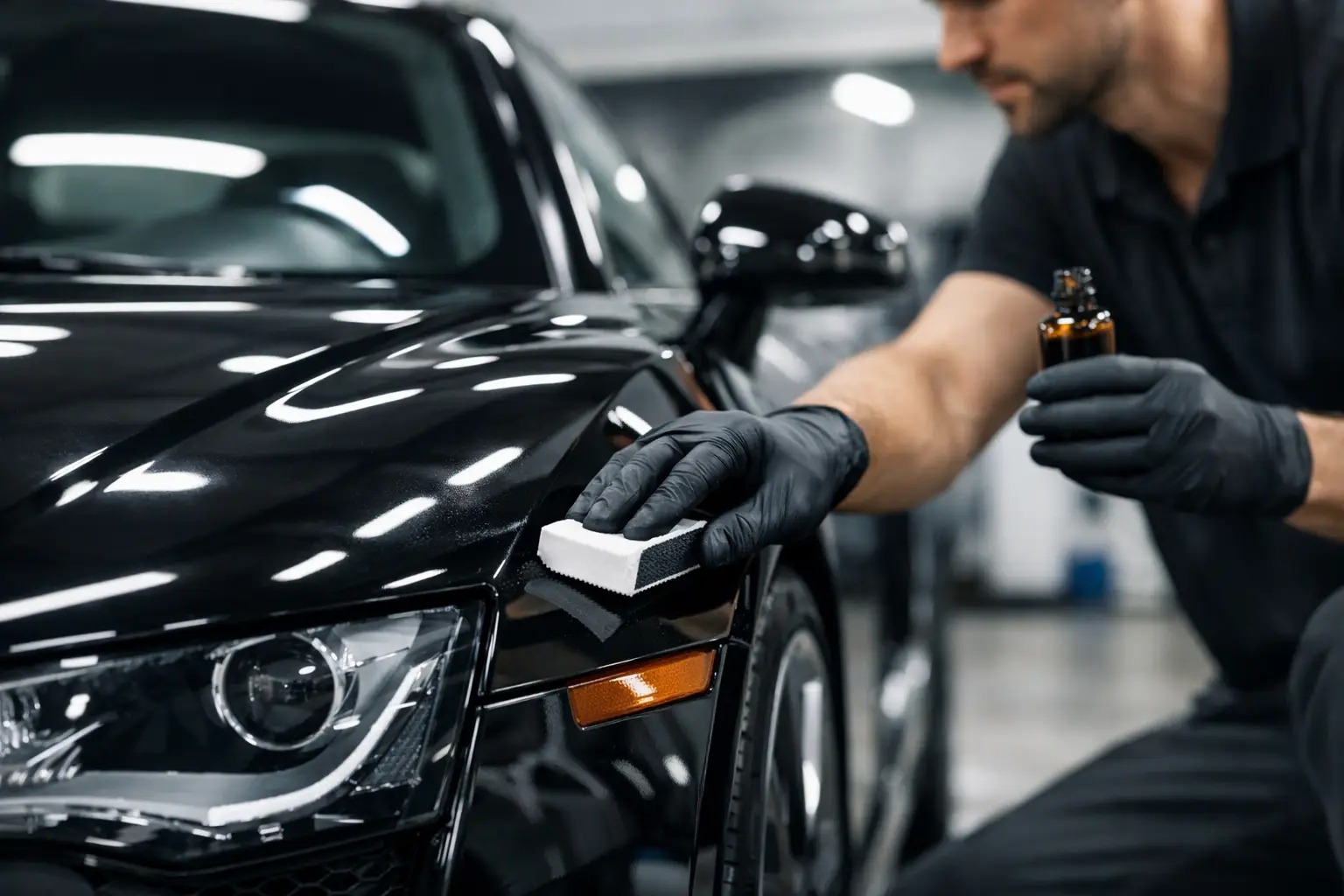
A ceramic coating sounds simple until you see the difference on a black hood after a Michigan winter. One vehicle still looks deep and glossy with grime releasing easily during a wash. The other has embedded fallout, water spotting, and that tired look that builds up faster than most owners expect. If you're asking what is ceramic coating service, the real answer is not just a product. It's a professional paint protection process designed to improve how your vehicle looks, cleans up, and holds its finish over time.
Ceramic coating service is the professional preparation and application of a liquid coating that bonds to your vehicle's exterior surfaces. Once cured, it creates a durable protective layer that helps resist UV damage, chemical staining, road grime, bird droppings, and environmental contamination. It also increases gloss and makes routine maintenance easier because dirt and water have a harder time sticking.
That said, ceramic coating is often misunderstood. It is not a substitute for paint protection film. It is not permanent in every case. And it does not make a vehicle immune to scratches, rock chips, or poor washing habits. The value comes from professional prep, proper installation, and realistic expectations.
What is ceramic coating service and how does it work?
At its core, ceramic coating service is about adding a hardened, semi-permanent layer of protection over a vehicle's paint, clear coat, wheels, trim, glass, or other exterior surfaces. Most professional coatings use advanced chemical formulas that cure into a tight, protective shell at the surface level.
That shell changes how the surface behaves. Water beads and sheets more effectively. Contaminants are less likely to bond as aggressively. UV exposure has a harder time dulling the finish. The paint tends to hold that freshly detailed look longer, especially when the vehicle is washed correctly.
The service itself matters as much as the coating. A professional installation usually starts with a deep decontamination wash, followed by clay treatment and paint correction as needed. Only then is the coating applied in controlled conditions. If the surface underneath is swirled, oxidized, or contaminated, coating it will not fix those problems. It can actually lock them in.
Why professional prep is the difference-maker
This is where many owners underestimate the process. Ceramic coating is not a wipe-on shortcut for a perfect finish. The coating magnifies the condition of the paint beneath it. If the paint is properly corrected, the result looks sharper, glossier, and more refined. If it is not, the defects remain visible under a protective layer.
Professional prep usually includes paint-safe washing, iron removal, clay bar treatment, and machine polishing where needed. On newer vehicles, correction may be lighter, but even new cars often arrive with dealership wash marks, transport contamination, or light marring. On daily drivers, the prep can be more involved because years of improper washing and environmental exposure leave a clear trail in the paint.
For drivers in Livonia and the greater Metro Detroit area, prep is especially important because vehicles deal with salt, slush, industrial fallout, hard water, and seasonal grime. A coating performs best when it starts on a truly clean and refined surface.
What ceramic coating service actually protects against
Ceramic coating is best viewed as a defense against the things that slowly wear down a vehicle's finish. It helps reduce damage from UV rays, oxidation, bug residue, bird droppings, tree sap, road film, and chemical contaminants. It also makes cleaning easier, which lowers the chance of heavy buildup over time.
That easier maintenance is one of the biggest practical benefits. When the surface is slicker and less porous, routine washing becomes more efficient. Dirt releases faster. Water beads more tightly. Drying is easier. For many owners, that means the vehicle stays cleaner between washes and requires less aggressive scrubbing.
What it does not do is stop impact damage. Rock chips, deep scratches, and door dings are still very much possible. If your main concern is front-end chip protection, paint protection film is usually the better solution for those high-impact areas. In many cases, the smartest setup is not ceramic coating instead of PPF. It's both, applied where each one makes the most sense.
What surfaces can be coated?
When people think of ceramic coating, they usually picture paint, but professional service can extend beyond painted panels. Depending on the product and the vehicle, coatings may be applied to wheels, exterior trim, headlights, glass, calipers, and sometimes interior surfaces as well.
Wheels are a strong candidate because they collect brake dust and road grime quickly. A proper coating can make them easier to clean and help prevent contamination from baking into the finish. Trim benefits because it can resist fading and staining better. Glass coatings improve water behavior in rain, which adds convenience and better visibility.
The right package depends on how the vehicle is used. A daily commuter in Metro Detroit may benefit from a practical protection-focused setup, while a weekend car may prioritize maximum gloss and finish refinement.
How long does ceramic coating last?
This depends on the coating type, the prep work, the environment, and how the vehicle is maintained afterward. Some entry-level options last around one to two years. Higher-end professional coatings can last several years with proper care.
The phrase proper care matters. Automatic tunnel washes with harsh brushes can reduce performance and add swirls. Neglected contaminants can shorten the coating's lifespan. Regular maintenance washes and periodic inspections help the coating perform the way it should.
Longevity also depends on honest installation. A rushed job may look good for a short time, but durability comes from controlled application, curing, and aftercare. That is why ceramic coating service should be evaluated as a full process, not just a bottle of product.
Is ceramic coating worth it?
For many owners, yes - but only if the benefits match the way they use the vehicle. If you care about gloss, easier maintenance, and long-term finish preservation, ceramic coating can be a smart investment. It is especially valuable for new vehicles, luxury models, performance cars, leased vehicles, and daily drivers you want to keep in stronger cosmetic condition.
It also makes sense for resale-minded owners. A vehicle that has been professionally protected and maintained often presents better when it is time to sell or trade. Cleaner paint, fewer embedded contaminants, and a stronger overall appearance all support value retention.
If you are expecting complete scratch-proofing or zero maintenance, ceramic coating will disappoint. It reduces headaches, but it does not replace good ownership habits. The owners who get the most value from it are the ones who want their vehicle protected and are willing to maintain it correctly.
What is ceramic coating service compared with wax or sealant?
Wax and synthetic sealants can improve shine and add short-term protection, but they sit at a different level. They wear out faster, usually require more frequent reapplication, and do not offer the same durability or chemical resistance as a professional ceramic coating.
Ceramic coating is a longer-term solution. It bonds more effectively, stands up better to harsh conditions, and supports easier maintenance over a much longer window. Wax still has a place for some owners, especially those who enjoy frequent detailing, but it is not the same category of protection.
If your goal is convenience and longer-lasting performance, ceramic coating is usually the more practical choice. If your goal is the lowest upfront cost and you do not mind regular reapplication, wax or sealant may be enough. It depends on your standards, your budget, and how long you plan to keep the vehicle.
Who should consider ceramic coating service?
New car owners are strong candidates because protecting fresh paint early is easier than restoring neglected paint later. Daily drivers benefit because the vehicle is exposed to weather, road grime, and seasonal contamination every week. Performance and luxury vehicle owners often choose coating to preserve finish quality and keep maintenance manageable.
It also makes sense for leased vehicles and resale prep, though the value equation changes. If you're trying to minimize wear and keep the vehicle looking newer for longer, coating can help. If the lease is near the end and the paint already needs significant correction, the better move may be a targeted reconditioning plan instead.
At a specialist shop like MYNT Customs, the right recommendation should be based on the condition of the vehicle, how you drive it, and what level of protection actually makes sense - not just the most expensive package.
Ceramic coating service is best for owners who see their vehicle as more than transportation. If you want easier upkeep, stronger gloss, and real protection against the slow wear that dulls a finish, it is one of the most effective upgrades you can make. The best results come from treating it like a professional protection service, not a trend, and choosing a solution that fits how you actually use your car.