How Long Does PPF Last? Real-World Lifespan
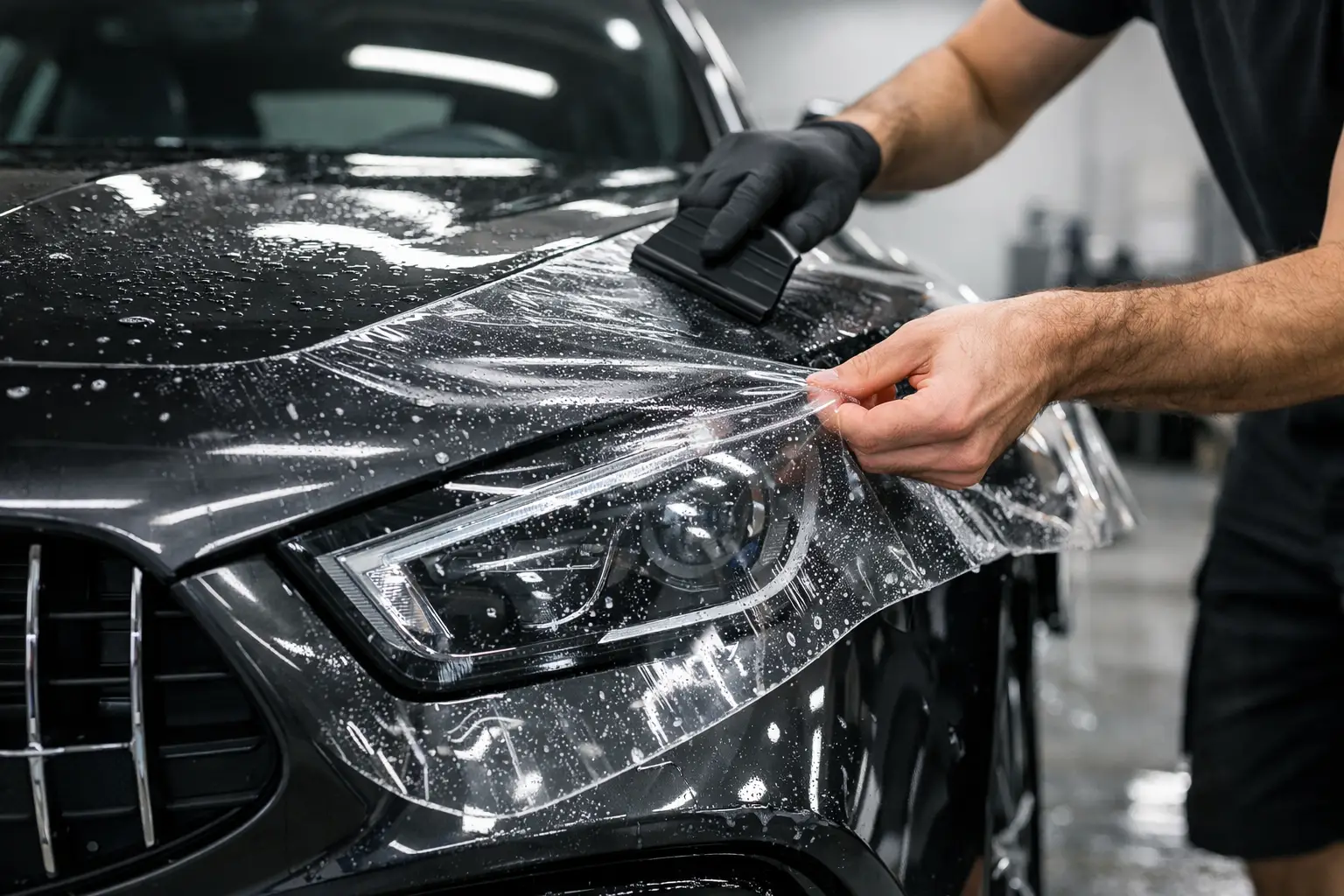
A fresh paint protection film installation should not be treated like a short-term cosmetic upgrade. For most vehicle owners, how long does PPF last comes down to one question: will it still protect the paint when Michigan roads, weather, and daily driving have had years to work against it?
Quality paint protection film typically lasts 5 to 10 years, and premium films installed correctly can often perform near the upper end of that range. The exact lifespan depends on the film itself, where it is installed, how the vehicle is driven, and how consistently it is maintained. A garage-kept weekend car with a full-front PPF package will age differently from a daily driver that sees Metro Detroit construction zones, winter salt, highway miles, and frequent outdoor parking.
PPF is designed to absorb the abuse that would otherwise reach your clear coat. It helps defend painted surfaces from rock chips, road debris, bug splatter, light scuffs, UV exposure, and other damage that can reduce a vehicle's appearance and resale appeal. It is a durable layer of protection, but it is not permanent. Knowing what affects its lifespan helps you make a smarter investment from day one.
How Long Does PPF Last in Real Driving Conditions?
Most modern, high-quality PPF is engineered for years of protection, not months. Many manufacturers offer warranties in the 7-to-10-year range, particularly for premium self-healing films. That warranty can be a useful sign of film quality, but it is not a guarantee that every installation will look identical at year 10.
Real-world conditions matter. The front bumper, hood, mirrors, rocker panels, and lower doors take far more punishment than a protected roof or rear quarter panel. These high-impact areas may show wear first, especially on vehicles driven regularly on I-96, I-275, or other debris-heavy routes around Livonia and Metro Detroit.
A practical expectation is 7 to 10 years for well-installed, well-maintained premium film. Some owners may choose to replace front-end sections sooner if they want their vehicle to maintain a near-perfect appearance. Others may get longer service from film on lower-impact panels.
What Determines Paint Protection Film Lifespan?
Film quality is the starting point. Higher-grade PPF uses a durable urethane construction, a clear top coat, and self-healing technology that allows minor swirl marks and light scratches to soften with heat. Lower-quality materials may discolor, stain, crack, or lose clarity earlier, particularly when exposed to sun and contaminants.
Installation quality is equally important. PPF must be properly prepared, positioned, stretched, and finished around edges and complex body lines. Poor installation can leave contamination under the film, exposed edges, lifting corners, or tension points that shorten the useful life of the material. The difference may not be obvious on day one, but it becomes clear over time.
Your driving and parking habits also matter. A vehicle stored indoors and driven selectively is exposed to less UV radiation, bird droppings, tree sap, industrial fallout, and temperature cycling. A daily driver parked outside will need more consistent cleaning and decontamination to keep the film looking clear.
Michigan winters deserve special attention. Road salt does not automatically ruin PPF, but salt residue, gritty slush, and repeated freeze-thaw cycles make routine washing more important. Letting winter grime stay on the vehicle for long periods can stain surfaces and make any protective product work harder than it should.
PPF Warranty vs. Actual Service Life
A 10-year PPF warranty is valuable, but it should be understood correctly. Warranties generally cover manufacturing defects such as premature yellowing, cracking, bubbling, or delamination under specified conditions. They do not mean the film will be immune to impact damage, neglected maintenance, collision repairs, or improper cleaning.
The film is supposed to take the hit. If a stone leaves a mark or puncture in the PPF instead of chipping the paint beneath it, the film has done its job. In many cases, a damaged section can be removed and replaced without repainting the underlying panel, assuming the paint was in sound condition before installation.
Ask your installer about both the manufacturer warranty and the shop's workmanship coverage. Clear expectations about coverage, care, and replacement options are part of a quality PPF experience.
How to Make PPF Last Longer
PPF is low-maintenance, but it is not maintenance-free. Gentle, regular washing is the best way to preserve its clarity and performance. Remove bugs, bird droppings, tree sap, and fuel spills as soon as practical, because these contaminants can etch or stain any exterior surface if left in place.
Use pH-balanced car wash products and clean microfiber towels. Avoid aggressive scrubbing, abrasive polishes, and harsh chemicals that are not approved for use on paint protection film. Touchless washing can be convenient, but heavy grime may still require a careful hand wash to prevent buildup along seams and edges.
Pressure washing is generally safe when done correctly. Keep the nozzle at a reasonable distance, avoid directing high-pressure water straight into film edges, and do not use an excessively narrow or aggressive tip. The goal is to clean the surface, not force water beneath the film.
A compatible ceramic coating can also make PPF easier to maintain. Ceramic coating does not replace paint protection film because it cannot offer the same impact resistance. However, it can add water repellency, reduce the grip of dirt and grime, and make washing more efficient. For owners who want both chip defense and easier upkeep, the two services work well together.
Signs It May Be Time to Replace PPF
A quality film should remain glossy, clear, and tightly bonded to the paint. Over time, inspect high-impact areas and edges during regular washes. Replacement may be worth considering when you notice visible yellowing, persistent staining, cracking, lifting edges, cloudiness, or damage from a significant impact.
Minor marks are not always cause for concern. Self-healing PPF can recover from many light scratches and wash-induced swirls when exposed to sunlight, warm water, or controlled heat. Deep cuts, gouges, and punctures will not heal completely, but they may be isolated to one panel or section.
Do not wait until film failure becomes severe. Old, neglected film can be more difficult to remove, particularly if it has been exposed to excessive heat and UV for years. Replacing aging film before it becomes brittle helps protect both the appearance of the vehicle and the condition of the paint below.
Is Full-Body PPF Worth It for the Long Term?
The right coverage level depends on the vehicle and how you use it. Full-front PPF is a popular choice because it protects the areas that see the most road debris: bumper, hood, fenders, mirrors, and often headlights. It is a practical option for daily drivers, leased vehicles, and owners who want meaningful protection without covering every painted panel.
Full-body PPF makes more sense when preserving the finish is the priority. It is especially valuable for luxury vehicles, performance cars, matte or satin paint, new vehicles with soft factory paint, and owners who plan to keep a vehicle long term. The initial investment is higher, but it can help avoid paint correction, chip repairs, and refinishing costs later.
For resale-focused owners, PPF can be a strong advantage when the film is still in good condition and the paint underneath has been protected. Clean, original paint is easier to present and easier for a buyer to trust than a vehicle with obvious rock chips or blended repaint work.
Choosing PPF That Performs for Years
The best result comes from pairing premium film with skilled installation and a care plan that fits your driving habits. Before choosing a package, consider where you drive, whether the vehicle is garaged, how long you plan to own it, and which panels receive the most abuse.
At MYNT Customs, the goal is not simply to apply a clear film. It is to help owners protect the surfaces that matter most while keeping the finish clean, glossy, and easier to maintain over the years. A professional evaluation can identify the coverage level that makes sense for your vehicle instead of pushing a one-size-fits-all package.
PPF earns its value gradually. Every avoided chip, reduced scratch, and preserved panel adds up, especially when it is time to enjoy the vehicle, return a lease, or sell it with original paint that still looks properly cared for.