PPF Coverage Example: What Should You Protect?
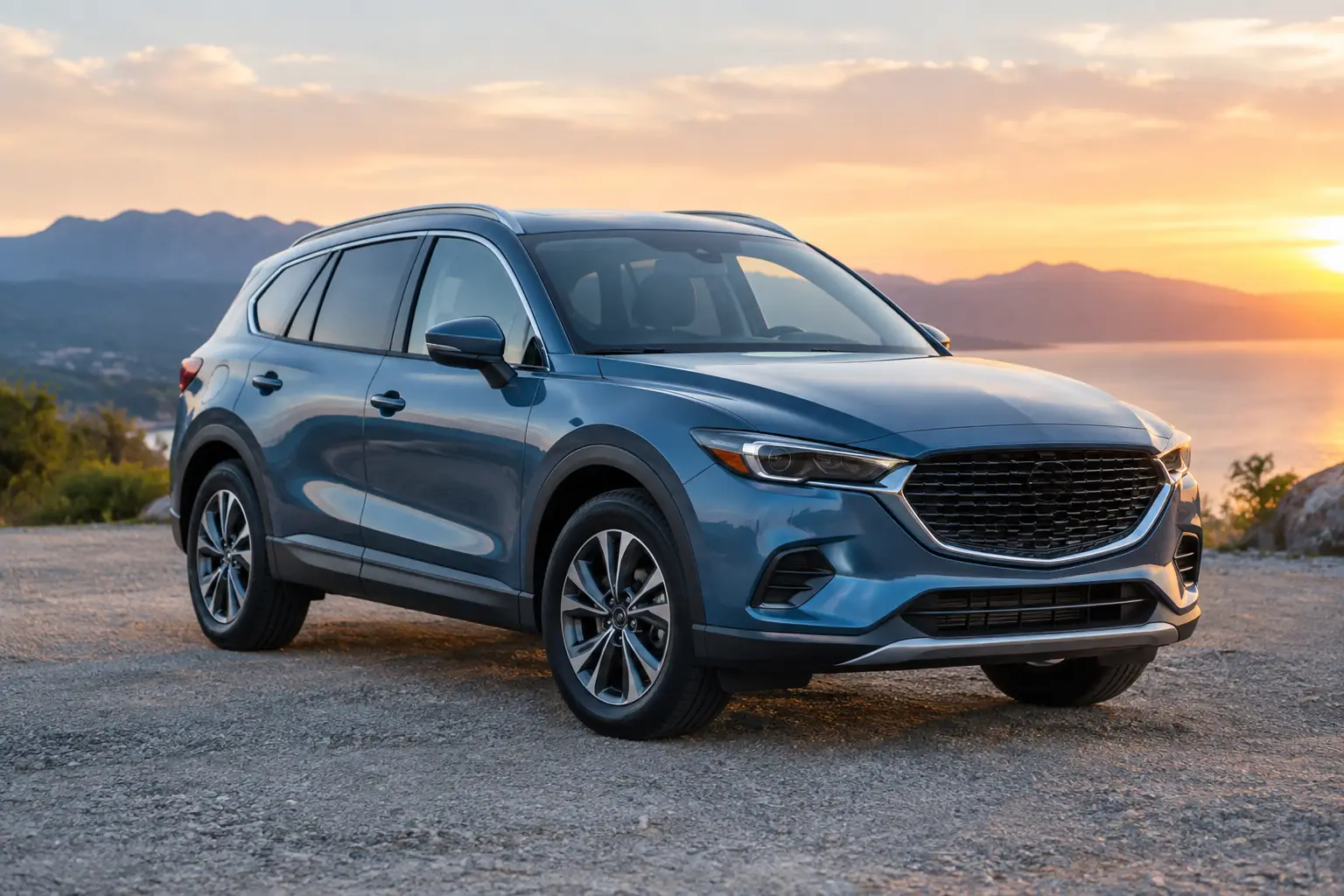
A clean new vehicle can pick up its first paint chip on the drive home. In Metro Detroit, gravel, construction debris, winter road grit, salt, and highway traffic make that risk part of normal ownership. This PPF coverage example shows how different paint protection film packages work in real life, so you can protect the areas that take the most abuse without paying for coverage your vehicle does not need.
Paint protection film is a clear, durable urethane film installed over painted surfaces. Quality PPF helps absorb the impact of small road debris, resists staining, and can self-heal light surface scratches with heat. The right package is less about choosing the biggest option and more about matching coverage to how, where, and how often you drive.
What a PPF Coverage Example Looks Like
Think about a typical daily driver that travels I-96, I-275, M-14, or local roads through Livonia and the surrounding area. The front bumper sees the most direct impact from loose stone and debris. The hood and front fenders are next, followed by the mirrors, rocker panels, and lower doors.
A practical PPF coverage example for that vehicle may be a full-front package: full bumper, full hood, full front fenders, and mirror caps. This protects the most exposed paint while preserving a nearly invisible finish across the front end. For many owners, it delivers the strongest balance of cost, appearance, and long-term value.
Coverage can be expanded or reduced based on the vehicle and its use. A low-sitting performance car, wide-body truck, or dark-colored SUV may need protection in different areas than a weekend-driven luxury sedan.
Partial Front Coverage
Partial-front PPF generally covers the front bumper and a portion of the hood and fenders. It is often chosen by owners who want meaningful rock-chip protection at a lower entry point.
This option makes sense when the bumper is the primary concern, such as on a leased daily driver or a vehicle that sees mostly city miles. The bumper catches the heaviest debris, bugs, and road grime, and replacing or repainting it can be expensive.
The trade-off is coverage lines. Because the film ends partway up the hood and fenders, an edge may be more noticeable in certain lighting or once dirt gathers near the line. A professional installation minimizes that visibility, but full panels create the cleanest look because the film is wrapped to the panel edges whenever possible.
Partial coverage is a smart choice when budget is the main priority. It is not always the best fit for a new vehicle owner who wants long-term front-end preservation with no visible transition across the hood.
Full-Front PPF Coverage
For most Michigan daily drivers, full-front coverage is the package that makes the most practical sense. It usually includes the full front bumper, hood, front fenders, and mirror caps. Some vehicles also benefit from adding headlights, depending on the film and the vehicle’s design.
This package protects the surfaces that lead into traffic and take the greatest impact at highway speed. It is especially valuable on black, deep blue, red, and other darker colors where stone chips and touch-up paint tend to stand out.
A full-front installation is also a strong choice for new luxury vehicles, sports cars, and trucks with painted front ends. It helps keep the original finish intact, which matters when it is time to trade in, sell privately, or return a lease. PPF does not eliminate every form of wear, but it can greatly reduce the small chips and scuffs that slowly make a vehicle look older than it is.
Who should consider full-front coverage?
Full-front PPF is a strong fit for drivers who commute regularly, take frequent expressway trips, drive behind construction traffic, or simply want to preserve a factory-fresh front end. It is also ideal for enthusiasts who have invested in paint correction or a ceramic coating and want physical protection against impact damage.
Ceramic coating and PPF work well together, but they serve different roles. A coating improves gloss and makes washing easier. PPF adds a physical sacrificial layer between the paint and road debris. If rock chips are the concern, coating alone is not a replacement for film.
Full Vehicle PPF Coverage
Full vehicle PPF covers every painted panel. It is the highest level of paint preservation and the right option for select vehicles, not necessarily every vehicle.
Owners often choose full coverage for exotic cars, high-value luxury vehicles, collector cars, or custom-painted builds. It is also worth considering for vehicles with complex body lines, wide rear fenders, aggressive side skirts, or paint colors that are difficult to repair or match. Matte and satin factory finishes can be particularly good candidates because panel repair may be more complicated than with standard gloss paint.
For a performance car, full PPF means the front end is protected from chips while the doors, quarter panels, and rear bumper are protected from kicked-up debris, parking-lot scuffs, and everyday contact. On a truck or SUV, it protects the lower sides from gravel spray and helps preserve the finish around frequently used cargo areas.
The trade-off is simple: full coverage carries a higher upfront investment. If the vehicle is a short-term lease, sees limited mileage, or is driven primarily in fair weather, full coverage may be more protection than necessary. A focused package can often deliver better value.
High-Impact Add-Ons That Matter
Not every vehicle needs full-body film, but a few targeted areas can make a major difference. Rocker panels are exposed to debris thrown from the front tires, especially on wide-tire vehicles and SUVs. Lower doors can benefit for the same reason.
Door edges and door cups are useful additions for vehicles that see tight parking spaces, family use, or frequent passenger traffic. The rear bumper loading area is a practical choice for SUVs, crossovers, and trucks because luggage, strollers, tools, and cargo can leave scratches behind the liftgate or tailgate.
Other worthwhile options include the A-pillars and roof leading edge for highway-driven vehicles, as well as rear wheel-impact areas on performance cars. The best add-ons are based on the vehicle’s shape and actual use, not a one-size-fits-all package.
Choosing Coverage Based on How You Drive
A vehicle that travels 3,000 highway miles each month needs a different plan than a garage-kept weekend car. Start with mileage, road conditions, parking habits, and ownership timeline.
For a commuter, full-front PPF plus rocker panels is often a practical setup. For a leased SUV, bumper protection, door cups, and a rear cargo-area strip may be enough to reduce the most common wear. For a sports car driven on weekend trips, full-front coverage protects the panels most likely to be damaged by road debris while maintaining a clean, premium appearance.
If resale value is a priority, focus on the areas buyers inspect first: the front bumper, hood, fenders, doors, and cargo loading surfaces. Original paint in excellent condition makes a better first impression than a vehicle with visible chips, mismatched touch-up paint, or a repainted bumper.
Installation Quality Is Part of the Protection
The film itself matters, but preparation and installation matter just as much. Paint should be properly cleaned and inspected before film is applied. Existing chips, scratches, and contamination can remain visible under PPF, so paint correction may be recommended before installation when the goal is a near-perfect finish.
Experienced installation also helps ensure clean alignment, properly finished edges, and coverage that follows the vehicle’s body lines. PPF is designed to be clear, but poor prep or rushed installation can distract from the appearance it is meant to preserve.
At MYNT Customs, the goal is to recommend coverage that fits the vehicle, driving habits, and ownership plan - not to push protection where it does not add real value. A well-chosen PPF package should look invisible, perform where it counts, and make ownership easier every time the vehicle hits the road.
The best place to start is with the paint you would be most frustrated to repair. Protect that area first, then build outward only where your driving conditions justify it.