Can PPF Cover Rock Chips? What to Expect
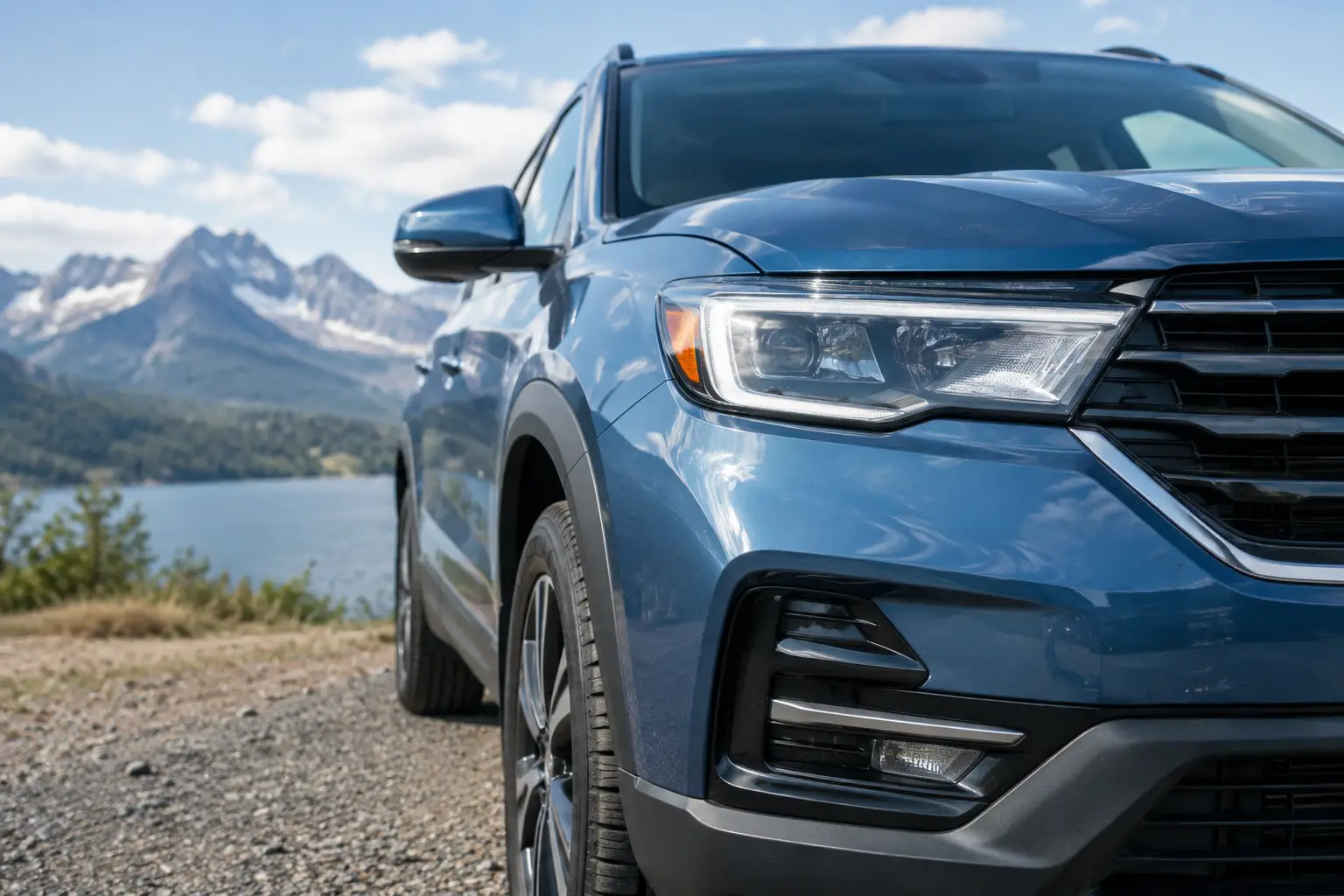
A fresh rock chip on the bumper or hood can make an otherwise clean vehicle look neglected fast. So, can PPF cover rock chips? Yes, paint protection film can be installed over certain small chips, but it does not repair missing paint. The condition of the chip, the surrounding clear coat, and your expectations for the finished look determine whether film is the right next step.
For Metro Detroit drivers, this question comes up often after a winter commute, a highway trip, or a season of construction-zone driving. PPF is one of the best defenses against future impacts, but proper surface preparation matters just as much as the film itself.
Can PPF Cover Rock Chips Without Repairing Them?
PPF can physically cover a rock chip, but the chip may still be visible beneath the film. Clear film is designed to preserve the appearance of the paint below it, not conceal damage the way an opaque wrap would. If paint is missing, the small crater can remain noticeable, especially on darker colors, metallic finishes, and panels viewed in direct sunlight.
On a very shallow chip, PPF may make the damage less obvious by adding a smooth, glossy layer over the panel. It can reduce the visual contrast of a tiny mark, but that is not the same as making it disappear. Larger chips, rough edges, exposed primer, or damage that has begun to lift around the edges will usually remain visible and may look more pronounced once the film is applied.
The practical answer is simple: install PPF over minor, stable imperfections when future protection is the priority and the existing mark does not bother you. Repair the chip first when the goal is a cleaner, higher-end finish.
Why Rock Chip Repair Should Usually Come First
A chip exposes more than the visible top layer of paint. Depending on the impact, it may expose base coat, primer, or bare metal. On steel panels, bare metal can eventually oxidize when moisture and road salt reach the damaged area. That makes timely repair especially worthwhile for vehicles driven through Michigan winters.
Touch-up work before PPF gives the installer a more uniform surface and helps protect the damaged area from further exposure. The best repair method depends on the size and location of the chip. A small isolated chip may only need carefully applied touch-up paint. A cluster of chips on a bumper, hood edge, or front fender may benefit from more involved paint correction or localized refinishing before film is installed.
Paint correction can improve scratches, oxidation, water spots, and swirl marks in the clear coat. It cannot restore paint that has been knocked away by a rock. For chips, paint must be added back before the area can be leveled and refined. Even a well-executed touch-up may not be invisible at close range, but it will look substantially better under PPF than an unfilled crater.
There is a trade-off. Repairing chips adds time and cost to the protection project. However, skipping preparation to save money can leave a customer disappointed with a film installation that is technically sound but does not deliver the visual result they expected.
What Happens if You Apply PPF Over a Damaged Panel?
A professional installer will inspect the panel before recommending film. Stable, clean, shallow chips may be acceptable for coverage. The concern is not only appearance. Loose paint, sharp chip edges, surface contamination, and corrosion can compromise how cleanly the film lays across the panel.
If a chip has flaking clear coat or loose paint around its edge, the area should be stabilized before installation. PPF adhesive is strong, and film removal years later can pull up already-failing paint. That does not mean PPF damages healthy factory paint. Properly installed and removed film is designed to protect it. The risk increases when the paint underneath is compromised, poorly repaired, or not fully cured.
Film can also bridge over a deeper chip rather than settling into it. The result may be a tiny air gap, a visible edge, or a slight change in texture. On the front bumper, where impacts are common and lighting angles change constantly, those details are easier to notice than many owners expect.
PPF Protects Against New Chips, Not Existing Damage
The value of PPF starts the moment it is installed. Quality film provides a durable sacrificial barrier between your painted surfaces and everyday road hazards, including gravel, sand, salt, insects, and light abrasion. High-impact areas such as the front bumper, full hood, front fenders, mirrors, rocker panels, and A-pillars are common choices because they take the most abuse.
Many premium films also have self-healing top coats. With heat from the sun or warm water, light surface scratches in the film can become far less noticeable. This is useful for wash marks and minor scuffs, but it is not a cure for rock chips that already exist beneath the film. Self-healing properties work on the film's top layer, not on damaged paint.
That distinction helps set the right expectations. PPF is a preventive investment. It preserves paint condition, keeps the front end looking cleaner over time, and can help support resale or lease-return value. It is not a substitute for bodywork, repainting, or chip repair.
Choosing the Right Prep for Your Vehicle
The best preparation plan should match the vehicle's condition, age, color, and intended coverage. A newer vehicle with one or two tiny chips may only need a careful decontamination and minor touch-up before a partial-front or full-front PPF installation. A vehicle with years of freeway driving may need broader paint correction and chip repair to achieve the finish its owner wants.
A proper assessment should consider how the car is used as well. A daily-driven SUV that sees I-96, I-275, and winter road salt has different protection needs than a weekend performance car that is rarely driven in poor weather. For some owners, covering stable chips and protecting the rest of the panel is the practical choice. For others, particularly owners of luxury vehicles or those preparing for resale, correcting the damage first is worth the added investment.
Color matters, too. White and silver vehicles can hide minor chips relatively well, while black, deep blue, and red paints often show every imperfection. Matte or satin paint requires even more specialized planning because conventional polishing and touch-up approaches may not be appropriate.
If a panel was recently repainted, wait until the paint has cured according to the body shop and paint manufacturer's recommendations before applying PPF. Fresh paint needs time to release solvents and harden fully. Installing film too soon can affect adhesion and create risk during eventual removal.
Full Front, Partial Front, or Targeted Protection?
Once chip repair is handled, the coverage package should fit the car and how you drive it. A partial-front package generally protects the leading section of the hood and fenders, along with the front bumper and mirrors. It offers meaningful impact protection at a lower cost, though the film edge may be visible on some colors and in certain lighting.
A full-front package covers the entire hood, full front fenders, bumper, mirrors, and often high-impact areas near the windshield. It creates a more uniform appearance because there are fewer visible transition lines across painted panels. It is a strong option for new vehicles, performance cars, and drivers who spend significant time on highways.
Targeted PPF can also make sense for rocker panels, rear wheel arch areas, door edges, luggage areas, and behind-the-wheel zones. These are common damage points that owners sometimes overlook until the paint begins showing chips and abrasion.
A Better Result Starts With an Honest Assessment
The cleanest PPF installation begins with a realistic conversation about the condition of the paint. An experienced shop should not promise that clear film will erase deep chips or make a heavily damaged bumper look factory-new. It should explain what can be improved, what will remain visible, and which preparation steps will provide the greatest return.
At MYNT Customs, that means evaluating the paint before recommending protection, not treating every vehicle as a one-size-fits-all install. Whether a chip needs a simple touch-up, paint correction around the damaged area, or more substantial refinishing, the goal is to protect a finish you will be proud to see every time you walk up to the vehicle.
If rock chips are already on your vehicle, do not let them stop you from considering PPF. Address the damage thoughtfully, choose coverage for the roads you actually drive, and give the next mile of paint a much better chance of staying clean.