Paint Protection That Fits How You Drive
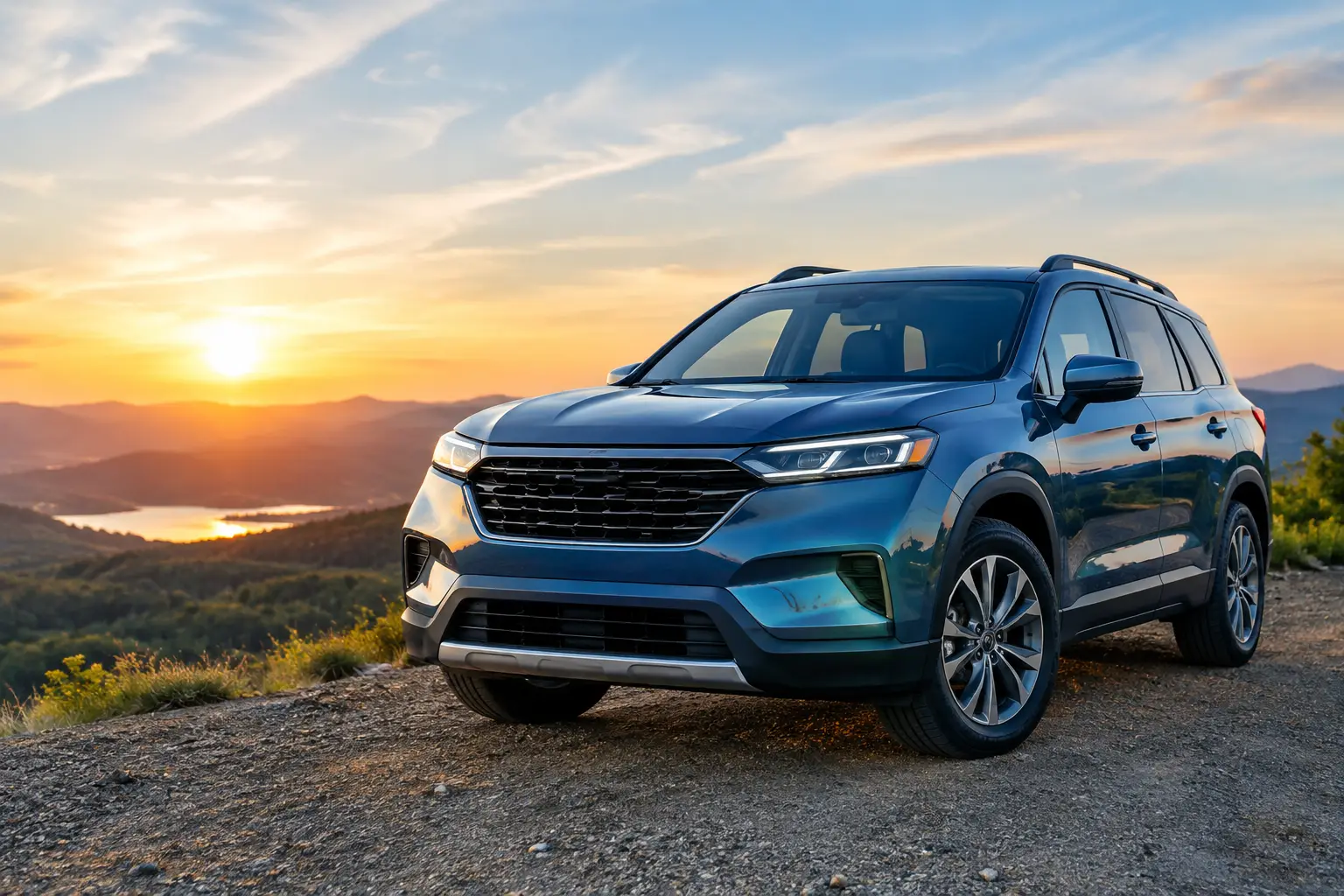
A new vehicle can pick up visible damage faster than most owners expect. A week of freeway driving can leave bumper marks, winter road grime can dull lower panels, and a poorly maintained wash can create fine swirls across black paint. Paint protection is not one product or one service. It is a strategy for keeping your vehicle looking sharper through the driving, parking, weather, and maintenance it will actually face.
For drivers across Metro Detroit, the right approach depends on where and how the vehicle is used. A commuter traveling I-96 every day has different needs than a weekend sports car, a leased SUV, or a luxury vehicle that spends most of its time garaged. Understanding the difference between ceramic coating, paint protection film, paint correction, and ongoing detailing helps you spend where it makes a real difference.
What Paint Protection Is Designed to Prevent
Factory clear coat is durable, but it is not invincible. It takes the first hit from UV rays, bird droppings, bug residue, salt, road debris, tree sap, and repeated washing. Over time, those exposures can reduce gloss, leave etching or staining, and make a vehicle look older than its mileage suggests.
The most noticeable damage usually falls into two categories: impact damage and surface contamination. Rock chips, scuffs, and scratches from road debris are impact damage. Water spots, oxidation, bug splatter, chemical stains, and embedded grime are surface issues. No single service solves every problem equally well, which is why professional recommendations should start with your vehicle and your habits instead of a one-size-fits-all package.
Protection also makes ownership easier. A protected surface releases dirt more easily during washing, holds a cleaner appearance between details, and is less likely to develop the neglected look that can affect resale or lease-return condition. That does not mean the vehicle becomes maintenance-free. It means routine care becomes more effective.
Ceramic Coating for Gloss and Easier Maintenance
Ceramic coating is a liquid-applied protective coating that bonds to the painted surface. Once cured, it creates a durable, hydrophobic layer that improves gloss, helps repel water and grime, and adds resistance against UV exposure and common contaminants.
For many daily drivers, ceramic coating is the best balance of appearance, maintenance benefits, and long-term value. The paint looks deeper and more reflective, and washing typically requires less effort because dirt has a harder time clinging to the surface. It can be applied beyond paint as well, depending on the package, including wheels, trim, glass, and other exterior surfaces.
The trade-off is straightforward: ceramic coating does not stop rock chips. It can offer some resistance to light wash-induced marring and minor surface wear, but it is not a physical barrier against a stone thrown from a truck tire. Anyone choosing a coating mainly to prevent chips will likely be disappointed.
Preparation matters as much as the coating itself. Applying a premium coating over swirls, water spots, or neglected paint may preserve those defects beneath the new layer. Paint correction before coating improves the final result by refining the clear coat and restoring the gloss customers expect from a protected finish.
Ceramic coating is a strong fit when
It makes sense for owners who want enhanced gloss, easier cleaning, UV protection, and a consistently polished appearance. It is especially practical for newer vehicles, well-kept daily drivers, luxury SUVs, and enthusiasts who prefer regular maintenance without constant waxing.
Paint Protection Film for Real Impact Defense
Paint protection film, often called PPF or clear bra, is a transparent urethane film installed over vulnerable painted panels. It is designed to take the abuse that would otherwise reach the clear coat, including road debris, gravel, light scuffs, and many parking-lot hazards.
For Michigan driving, PPF is often the strongest option for high-impact areas. Front bumpers, hoods, fenders, mirror caps, rocker panels, door edges, and rear wheel arches are common targets because they see the most debris and abrasion. A full-front installation can make sense for vehicles that see frequent highway miles, while targeted protection can be a smart choice for owners who want to focus their budget on the areas most likely to be damaged.
High-quality film can also offer self-healing properties, allowing light surface scratches to fade with heat. The result is not just a cleaner-looking vehicle today. It is original paint that is better preserved underneath the film for tomorrow.
PPF does have a higher upfront cost than a coating because material quality, panel coverage, and installation precision matter. Complex bumpers and tight body lines require careful fitting, edge treatment, and proper surface preparation. The value is strongest when chip prevention is a priority, particularly on darker paint, performance vehicles, luxury vehicles, and cars likely to be kept for years.
When paint protection film is worth it
Choose PPF when physical damage is your main concern. If you regularly drive on highways, follow construction traffic, take road trips, or simply want to preserve a new vehicle's front end, film provides protection a ceramic coating cannot. It is also a practical option for leased vehicles where avoiding cosmetic damage can help reduce end-of-lease surprises.
Why Combining PPF and Ceramic Coating Often Makes Sense
The most complete protection plan is often not film versus coating. It is film where impacts happen and ceramic coating across the exterior for gloss, water behavior, and easier maintenance.
For example, a full-front PPF installation can protect the bumper, hood, fenders, and mirrors from debris. Ceramic coating can then be applied to the remaining painted surfaces and, when appropriate, over the film itself. This approach protects the areas that take the hardest hits while creating a consistent appearance across the vehicle.
That said, full coverage is not always necessary. A vehicle that spends most of its time in the city may benefit more from a coating and targeted PPF on the bumper, rocker panels, and door edges. Budget, mileage, parking conditions, paint color, and ownership timeline should all influence the recommendation.
Paint Correction Comes Before Protection
Paint correction is the process of refining the clear coat to reduce swirls, oxidation, haze, light scratches, and other visible defects. It is not a cover-up. It is a careful polishing process that improves paint clarity and reflection before protective services are installed.
This step is particularly valuable for vehicles that have been through automatic car washes, sat outside for years, or arrived from the dealership with imperfect prep. Even new vehicles can show transport marks, dealer-installed swirls, or contamination from sitting on a lot.
Not every vehicle needs extensive correction. A well-maintained new car may need only a light enhancement polish, while an older vehicle may require more involved work. The goal is to match the level of correction to the condition of the paint and the owner's expectations, without removing more clear coat than necessary.
Maintenance Still Protects Your Investment
Protection services work best with good maintenance. Ceramic-coated or PPF-equipped vehicles still need safe washing, prompt removal of bird droppings and bug residue, and periodic professional care. Neglect can leave mineral deposits and contaminants on any surface, protected or not.
Avoid abrasive brushes, harsh tunnel washes, and dirty wash media whenever possible. These are common sources of the fine swirl marks that reduce gloss over time. A hand wash using proper techniques, followed by occasional decontamination and inspection, keeps coatings and film performing as intended.
Seasonal care matters in Metro Detroit. Winter salt should be removed regularly, especially from rocker panels, wheel wells, and lower doors. In warmer months, bug residue and tree sap should not be left on the finish for extended periods. Small habits protect the larger investment.
Choosing the Right Level of Protection
The best protection package is based on risk, not hype. Consider the vehicle's age, paint condition, annual mileage, how long you plan to keep it, where it is parked, and the roads it travels most often. A daily-driven truck may need durable front-end film and easy-clean coating benefits. A garage-kept weekend car may prioritize paint correction and gloss. A resale-focused owner may choose targeted services that improve presentation without overinvesting.
A professional inspection should clarify those choices. At MYNT Customs, the goal is to recommend protection that fits the vehicle rather than pushing more coverage than the owner needs. The right solution should look better immediately, hold up through real use, and make sense for the way you drive.
Your paint faces something every time you leave the driveway. Start with the surfaces most exposed to that risk, protect them properly, and maintain them with the same care you expect from the finish.