Metro Detroit Paint Protection That Fits Your Car
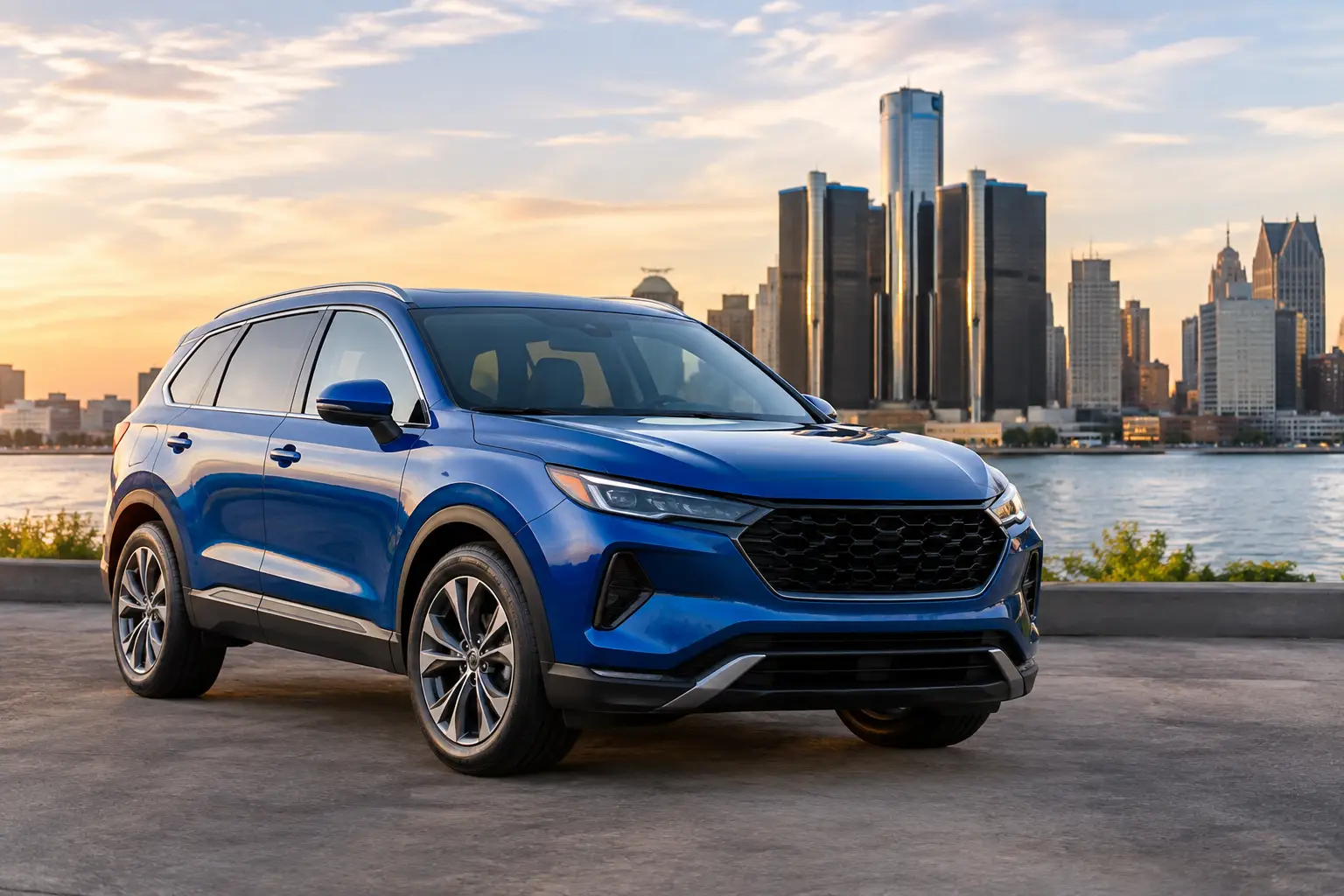
A Michigan winter can age a vehicle faster than its mileage suggests. Salt spray collects behind wheels, gravel chips the front bumper, and repeated touchless washes leave behind film that dulls the finish. Effective Metro Detroit paint protection is not about making a car look good for one weekend. It is about choosing the right level of defense for how, where, and how often you drive.
For some owners, that means a ceramic coating that keeps a daily driver easier to clean. For others, especially owners of new, luxury, or performance vehicles, paint protection film on the front end can prevent the type of physical damage that polishing cannot remove. The best solution depends on the vehicle, the condition of its paint, and your expectations for ownership.
What Metro Detroit Paint Protection Is Designed to Handle
Vehicles in Livonia and across the surrounding area face more than ordinary dust and rain. Highway commuting puts the front of a vehicle in the line of fire for loose aggregate, road grit, insects, and debris. Winter adds salt brine and slush, while summer UV exposure gradually affects gloss and can accelerate oxidation on neglected paint.
Paint protection services address different parts of that equation. Paint protection film creates a physical barrier between the paint and impacts. Ceramic coating creates a durable, low-maintenance surface that improves gloss and helps contamination release during washing. Professional detailing maintains that protected finish, while paint correction improves the appearance of existing swirls, haze, and light defects before protection is applied.
No service makes a vehicle invincible. PPF can be damaged by a severe impact, ceramic coating does not stop rock chips, and neither removes the need for regular washing. What they do is reduce the day-to-day damage and maintenance burden that make a vehicle look older than it should.
Paint Protection Film: Best for Chip-Prone Areas
Paint protection film, often called PPF or clear bra, is the strongest option for preventing physical damage to painted panels. It is a clear urethane film installed over vulnerable areas such as the front bumper, hood, fenders, mirror caps, rocker panels, and door edges. A quality installation is precisely fitted and designed to preserve the vehicle's original appearance rather than change it.
PPF makes the most sense when the vehicle regularly sees freeway speeds, construction-zone debris, gravel roads, or long commutes. It is also a smart consideration for vehicles with expensive paintwork, low front bumpers, wide fenders, or finishes that owners want to preserve from day one.
A full-front package is often the practical middle ground. It protects the areas that receive the most direct impact without requiring a full-vehicle installation. Full-body PPF offers the highest level of coverage and can be worthwhile for high-value vehicles, collector cars, or owners who simply want maximum peace of mind.
The trade-off is cost. PPF is more labor-intensive than a coating because preparation and installation demand careful panel work. It also needs professional installation to avoid visible edges, contamination, or poor alignment. But if preventing rock chips is the primary concern, ceramic coating alone cannot replace it.
Ceramic Coating: Better Gloss and Easier Maintenance
Ceramic coating is a liquid-applied protective coating that bonds to the vehicle's exterior surfaces. Once cured, it creates a slick, high-gloss finish that resists many common contaminants and makes washing more efficient. Water beads and sheets more readily, dirt is less likely to cling to the surface, and the paint has added protection from UV exposure, bird droppings, tree sap, and road film.
For a well-maintained daily driver, ceramic coating can be one of the most valuable appearance upgrades available. The vehicle stays cleaner between washes, drying is easier, and the finish retains a sharper look with less effort. It is particularly helpful for dark paint, where dust, water spots, and wash marks tend to show quickly.
Still, ceramic coating should be chosen for the right reasons. It is not a substitute for careful washing, and it is not a shield against deep scratches or stone impacts. Some coatings offer strong chemical resistance, but harsh brushes and neglected contamination can still compromise appearance over time.
The quality of the prep work matters as much as the coating itself. Applying a coating over swirls, oxidation, or embedded contamination locks in a finish that looks less refined. At MYNT Customs, paint correction can be performed before coating application when the vehicle needs its gloss restored first. That sequence gives the coating a cleaner, more polished surface to protect.
When PPF and Ceramic Coating Work Best Together
The strongest long-term strategy is often not choosing between PPF and ceramic coating. It is placing each service where it delivers the most value. PPF protects impact zones, while ceramic coating can be applied over the remaining paint and, in many cases, over the film itself for improved gloss and easier maintenance.
A common approach is PPF on the front bumper, partial or full hood, front fenders, mirrors, and rocker panels, followed by ceramic coating across the exterior. This gives a commuter or enthusiast vehicle physical defense where it is needed most and a consistent, easy-to-clean finish everywhere else.
It is not necessary for every vehicle. A leased vehicle nearing return may benefit more from paint correction and detailing than a full protection package. A lightly driven weekend car stored indoors may need less film coverage than a vehicle that covers 20,000 highway miles each year. The right recommendation should reflect real driving habits, not a one-size-fits-all package.
Start With Paint Condition, Not Just Vehicle Age
New cars are excellent candidates for protection, but they are not always perfect straight from the dealer. Transport, lot washing, and pre-delivery preparation can leave fine scratches, adhesive residue, water spotting, or light marring. A new vehicle inspection helps determine whether correction is needed before a coating or film installation.
Older vehicles can benefit just as much when the paint is in recoverable condition. Paint correction removes or reduces many surface-level defects, restoring clarity and depth before protection is applied. It cannot safely remove every deep scratch, especially one that has cut through the clear coat, but it can make a dramatic difference in the way a vehicle reflects light.
The key is being realistic about the goal. If you want a concours-level finish, the process may require multiple correction stages and more time. If the priority is a cleaner, noticeably improved daily driver, a more targeted correction may offer better value. A professional evaluation can clarify what is possible without overworking the paint.
Protection Only Performs as Well as Maintenance Allows
Once paint protection is installed, maintenance becomes simpler, not optional. Regular washing removes salt, brake dust, and organic contaminants before they can build up on the surface. In winter, frequent rinsing is especially valuable around lower panels, wheel wells, and rocker areas where salt accumulates.
Avoid automatic tunnel washes with abrasive brushes. They can create fine scratches, dull the finish, and shorten the visual benefits of a carefully corrected vehicle. Touchless washes are generally a better quick-clean option, though they may not remove all traffic film and should not replace proper hand washing when the vehicle is heavily soiled.
Use pH-balanced products, clean microfiber towels, and a safe drying process. If you notice reduced water behavior on a ceramic-coated vehicle, it may be contaminated rather than worn out. A professional maintenance detail can remove mineral deposits and road film that ordinary washing leaves behind.
Protection also extends beyond painted panels. Wheels, glass, trim, and interior surfaces each face their own wear patterns. Window tint can reduce glare and help manage interior UV exposure, while interior detailing helps preserve the surfaces you see and touch every day. A complete appearance plan considers the entire vehicle, not just its clear coat.
Choosing the Right Protection Package
The right package begins with a few direct questions. How long will you keep the vehicle? Is it parked outside? Does it see I-96, I-275, or frequent highway driving? Is the finish already marked up? Are you focused on preventing chips, reducing wash time, improving gloss, or preparing the vehicle for a future sale?
For a newer daily driver, a ceramic coating with focused PPF coverage may offer the best balance of cost, appearance, and practical protection. For a luxury or performance vehicle, full-front or full-body film may justify the investment. For an older vehicle, correction and coating can refresh the appearance and help preserve the progress.
A protected vehicle still needs care, but it gives every wash, every drive, and every future resale conversation a better starting point. The most useful next step is a professional inspection that matches the condition of your paint and your driving routine to protection that will actually earn its place on the vehicle.