Luxury Car Detailing Guide for Lasting Value
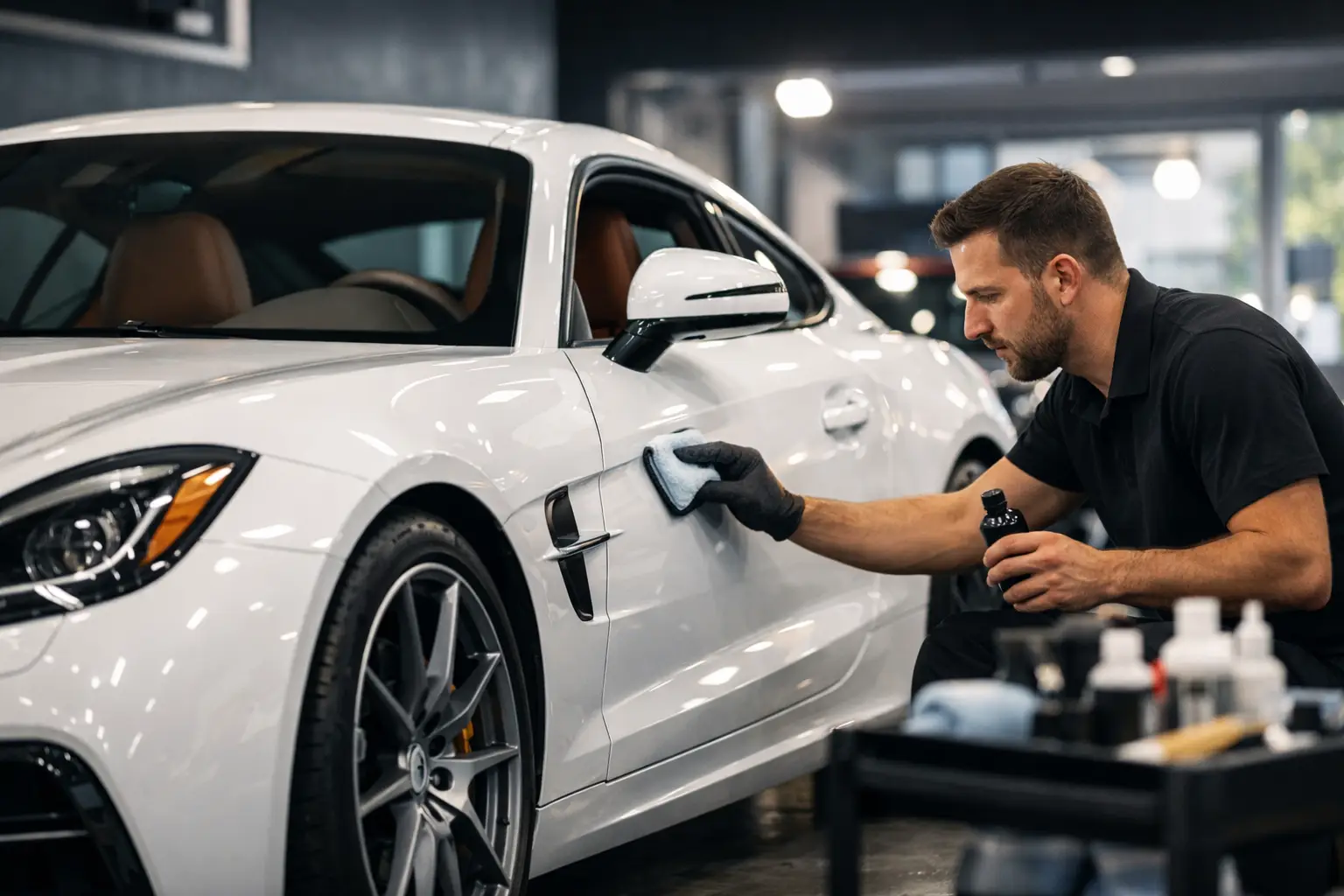
A luxury vehicle can look tired long before it is mechanically worn out. Fine scratches dull dark paint, leather collects body oils, brake dust etches wheels, and Michigan road salt can accelerate wear where you cannot immediately see it. This luxury car detailing guide focuses on the care decisions that protect appearance, preserve materials, and support long-term value.
Luxury detailing is not simply a more expensive wash. It is a methodical process of cleaning, correcting, and protecting each surface with products and techniques suited to the vehicle. The right plan depends on how the vehicle is driven, where it is parked, its paint condition, and whether the priority is daily-driver durability, show-level gloss, lease return condition, or resale preparation.
Start With a Proper Condition Assessment
Before applying a coating, polishing paint, or shampooing carpet, the vehicle should be assessed under proper lighting. Paint may have swirl marks, water spots, embedded fallout, tree sap, or isolated scratches that are not visible in a quick walk-around. Interior surfaces can also show wear in places owners often miss, including steering wheels, seat bolsters, piano-black trim, door pulls, and touchscreens.
A professional assessment separates defects that can be improved from defects that require a different solution. For example, light swirls may respond well to paint correction. Deep scratches that catch a fingernail may be too severe to safely polish away. Trying to chase every deep defect can remove unnecessary clear coat, so the best result is not always the most aggressive correction.
The same principle applies to interior reconditioning. Leather that looks dull may only need safe cleaning and conditioning, while cracked, faded, or heavily worn material may need repair or replacement. Quality detailing protects the vehicle first, then improves its presentation.
Luxury Car Detailing Guide: Paint Care That Lasts
Paint is usually the first thing people notice, and it is also one of the easiest surfaces to damage with poor wash habits. Automatic tunnel washes, dirty towels, harsh chemicals, and dry wiping can create the circular scratches commonly called swirl marks. On black, dark blue, and other deep colors, even minor defects become obvious in direct sun.
A proper exterior service begins with safe washing and chemical decontamination. This removes loose dirt, traffic film, iron particles from brakes and road debris, and bonded contaminants that washing alone cannot remove. Clay treatment may be appropriate when the paint feels rough, but it should be performed carefully because aggressive clay can mar soft clear coat.
Once the surface is clean, paint correction can refine gloss and reduce visible defects. A one-step polish is often a practical choice for a newer daily driver with mild swirls. Multi-step correction can produce a sharper finish on more heavily marked paint, but it takes more time and is not necessary for every vehicle. The right level of correction should match the paint condition and the owner’s expectations.
Choose Protection Based on How You Drive
After correction, protection keeps the finish easier to maintain. Wax and sealants can improve shine and water behavior, but they require more frequent reapplication. They can make sense for a lightly driven vehicle or an owner who enjoys regular maintenance.
Ceramic coating is a stronger long-term option for owners who want durable gloss, chemical resistance, and easier cleaning. A properly prepared coating helps dirt release more easily and reduces the effort needed to keep paint looking clean. It does not make paint scratch-proof, and it does not prevent rock chips. It still needs safe washing, but it provides a more durable foundation than traditional wax.
Paint protection film, often called PPF, addresses a different risk. It is designed to help protect high-impact areas from rock chips, road debris, bug acids, and light abrasions. Full-front PPF is often a smart fit for luxury SUVs, performance vehicles, and cars that spend substantial time on Metro Detroit highways. A ceramic coating can be applied over paint protection film to simplify maintenance, but coating and film are not interchangeable services.
If chips are your primary concern, prioritize PPF. If gloss, easier washing, and chemical resistance are the priority, ceramic coating may be the better investment. For a vehicle receiving both, paint correction and surface preparation should come before the protection is installed.
Protect the Interior Without Changing Its Character
Luxury interiors use materials that deserve more attention than a quick vacuum and scented dressing. Soft leather, Alcantara or suede, open-pore wood, brushed metal, coated plastics, and high-gloss trim all require different care. A single all-purpose cleaner is rarely the right answer for every surface.
Leather should be cleaned with a pH-appropriate product that removes oils and grime without leaving it slick or overly shiny. Modern automotive leather often has a protective topcoat, so heavy conditioners are not always beneficial. The goal is a clean, natural finish that feels like leather, not a greasy surface that attracts dust.
Alcantara and suede need a particularly gentle approach. Scrubbing aggressively or saturating the material can change its texture and leave visible marks. Light, controlled cleaning and careful brushing are usually more effective than trying to treat the fabric like carpet.
For carpets, mats, and upholstery, extraction can remove embedded dirt, salt residue, and spills. However, more moisture is not always better. Proper drying matters, especially during colder months, because damp materials can create odors or fog windows. Interior detailing should leave the cabin clean, dry, and comfortable - not masked with overpowering fragrance.
The Details That Separate a Clean Car From a Finished One
Wheels, tires, glass, trim, jambs, and exhaust tips have a major effect on the overall presentation. Brake dust can bond to wheels over time, particularly on performance-oriented vehicles with high-output braking systems. Regular cleaning with wheel-safe chemicals helps prevent staining and keeps the finish looking refined.
Tire dressing should be applied with restraint. A clean satin appearance looks appropriate on a luxury vehicle and avoids sling onto freshly detailed paint. Exterior plastic and rubber trim also benefit from UV protection, especially on vehicles parked outdoors. Faded trim can make an otherwise polished vehicle look older than it is.
Glass deserves the same attention as paint. Clean, streak-free windows improve visibility and make a newly detailed interior feel noticeably fresher. For tinted windows, use tint-safe products and soft towels to avoid scratching film or affecting its edges.
Build a Maintenance Schedule Around Real Use
The best protection package cannot compensate for months of neglect. A realistic maintenance routine is more valuable than an overly ambitious plan that never happens. Most luxury daily drivers benefit from a careful hand wash every two to four weeks, with more frequent cleaning after heavy rain, road trips, pollen season, or exposure to winter brine.
Avoid washing in direct sun when possible, and do not use household cleaners or stiff brushes on painted surfaces. Use clean microfiber towels, dedicated wheel tools, and a lubricated wash process that minimizes friction. If a bird dropping, bug splatter, or tree sap lands on the vehicle, remove it promptly. These contaminants can damage clear coat when left in heat.
Interior maintenance is usually lighter but just as consistent. Vacuum regularly, wipe touchpoints with appropriate products, and address spills quickly. Keep a quality microfiber towel in the vehicle for unexpected drips or smudges, but do not dry-wipe dust from piano-black trim or screens. That is how fine scratches accumulate.
Adjust for Michigan Seasons
Metro Detroit roads create specific challenges for luxury vehicles. Winter salt, slush, and road brine can reach lower panels, wheel wells, door jambs, and undercarriage components. Regular rinsing during winter is a protective measure, not a cosmetic extra. A full detail and protection service before winter can make seasonal maintenance far easier.
Spring brings pollen, construction dust, and leftover road contamination. Summer adds UV exposure, bugs, and water spots. Fall introduces leaf tannins and moisture around seals and drains. Scheduling care around these conditions helps the vehicle remain protected year-round instead of waiting until damage becomes visible.
Know When Professional Detailing Makes Sense
Professional detailing is especially valuable before applying ceramic coating or PPF, after a harsh winter, before a lease inspection, or when preparing a vehicle for private sale. It is also worthwhile when paint defects, odors, pet hair, stained upholstery, or neglected wheels have moved beyond routine maintenance.
For owners who want premium results without guessing which products or methods are safe, MYNT Customs can build a service plan around the vehicle, its condition, and how it is used. The objective is not to sell every service on every car. It is to match the protection and reconditioning work to what will make a meaningful difference.
A well-detailed luxury vehicle should still look like itself - just cleaner, sharper, and better protected every time you walk up to it.