Ceramic Coating vs Wax: Which Is Best for Your Car?
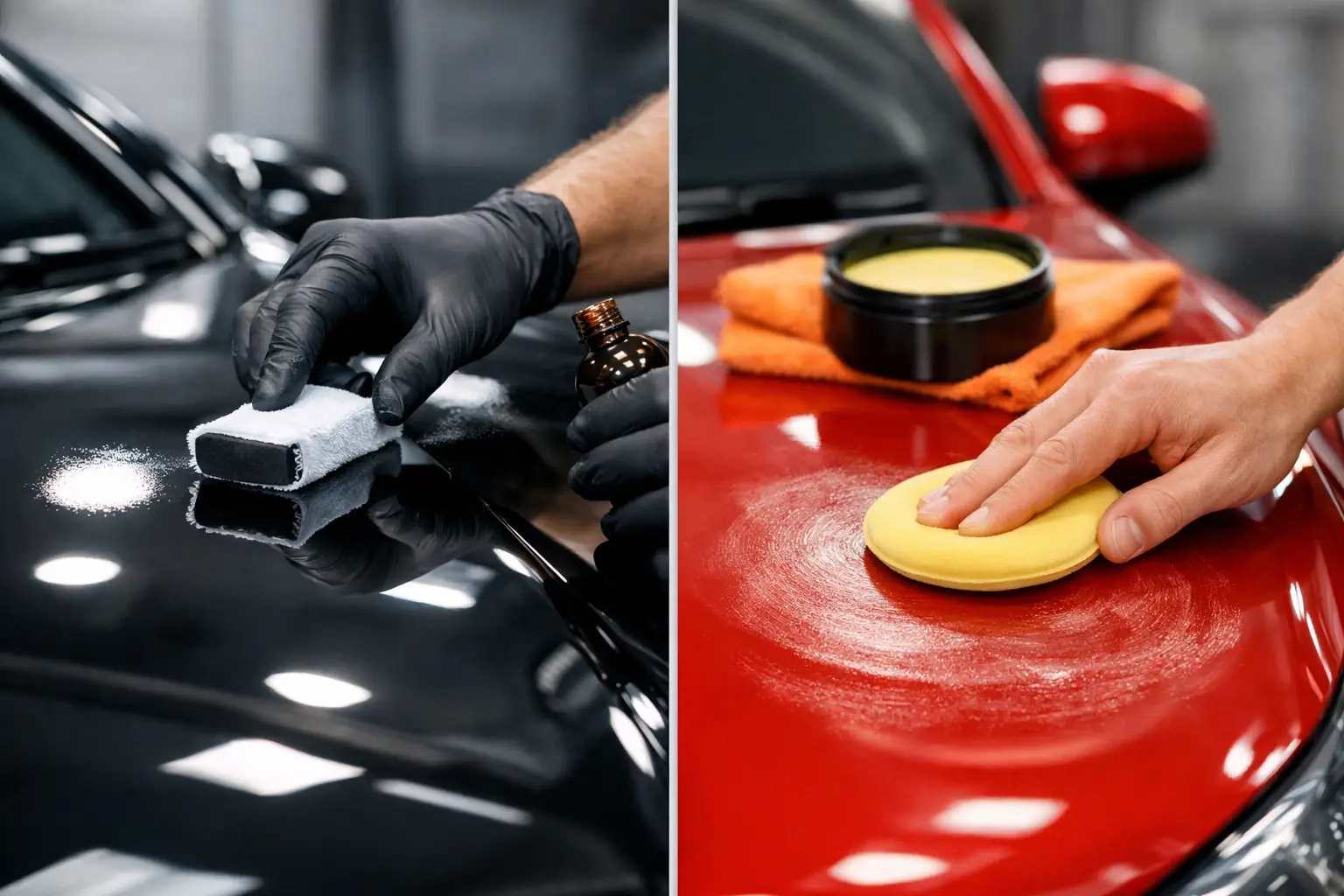
A Michigan winter can make a freshly detailed vehicle look tired in a matter of days. Road salt, slush, UV exposure, bird droppings, and frequent washing all take a toll on clear coat. When comparing ceramic coating vs wax, the real question is not simply which product makes paint shine more. It is which option gives your vehicle the right level of protection, upkeep, and value for how you drive it.
Wax still has a place in professional car care, especially for owners who enjoy regular detailing or want a quick gloss boost. Ceramic coating, however, is built for owners looking for a longer-lasting protective layer that makes cleaning easier and helps preserve a polished finish through everyday use.
Ceramic Coating vs Wax: The Core Difference
Wax is a sacrificial protective layer applied over a vehicle's clear coat. Traditional carnauba wax creates a warm, deep gloss, while synthetic waxes and paint sealants can offer longer life and stronger water behavior. Regardless of formula, wax gradually wears away from washing, weather, heat, and road contamination.
A ceramic coating is a liquid polymer that chemically bonds with the vehicle's clear coat after it cures. It creates a more durable, hydrophobic surface that resists contamination, sheds water more effectively, and helps reduce the effort required to keep paint clean. Professional-grade coatings are designed to last years, not weeks or a few months.
Neither option replaces paint protection film for impact defense. A ceramic coating will not stop a rock chip, prevent a deep scratch, or make paint invincible. Its value comes from chemical resistance, easier maintenance, enhanced gloss, and a more durable barrier against the elements. Wax offers a lighter level of those benefits for a much shorter period.
Durability: Short-Term Gloss vs Long-Term Protection
Durability is the clearest dividing line between wax and ceramic coating. A quality wax may last several weeks to a few months, depending on the product, climate, wash routine, and whether the vehicle is stored indoors. In Metro Detroit, winter road conditions and automatic car washes can shorten that window significantly.
A professionally installed ceramic coating can protect a properly prepared vehicle for multiple years. The exact lifespan depends on the coating system, the condition of the paint before application, maintenance habits, and exposure to the elements. Coatings are not maintenance-free, but they remain in place far longer than wax when cared for correctly.
This matters for daily drivers. If your vehicle sees expressway miles, sits outside, or regularly encounters construction dust, tree sap, bug residue, and winter salt, a coating provides a more consistent defense. If you drive a weekend vehicle, garage it, and like applying wax by hand, the shorter lifespan may be less of a concern.
Shine and Appearance
Both wax and ceramic coating can make paint look noticeably better. Wax is known for its rich, warm glow, particularly on darker colors. It is often a strong choice for a vehicle being prepared for a show, a sale, or a special event where immediate visual impact is the priority.
Ceramic coating delivers a different kind of finish. It tends to create a crisp, reflective look with deeper color clarity and a glass-like appearance. Because the coating stays on the surface longer, that enhanced look is easier to maintain over time.
The best appearance results begin before either product is applied. Swirl marks, water spots, oxidation, and light scratches can remain visible beneath a coating. Professional paint correction removes or reduces those defects first, giving the coating a cleaner surface to protect. Applying ceramic coating over uncorrected paint may add gloss, but it will not erase existing damage.
Water Behavior and Easier Washing
One of the most noticeable benefits of a ceramic coating is its hydrophobic behavior. Water beads up and rolls away more readily, often taking loose dirt with it. That does not mean the vehicle never gets dirty. It means contamination is less likely to bond aggressively to the paint, and routine washing is generally faster and safer.
Wax also repels water, especially when freshly applied. The difference is that the effect fades as the wax wears down. After repeated washes and exposure to weather, the water beading and slickness diminish, signaling that it is time to reapply protection.
For owners who want their vehicle to look clean between washes, ceramic coating offers a practical advantage. It can reduce the stubborn film that develops on lower panels, wheels, and rear bumpers. A coated vehicle still needs proper hand washing, clean towels, and safe wash chemicals, but the process is typically less demanding.
Cost and Long-Term Value
Wax costs less upfront. It is widely available, quick to apply, and can be a smart option for owners on a limited budget or those who prefer seasonal protection. The trade-off is repeat application. Over several years, the time and cost of regular waxing can add up.
Ceramic coating is a larger initial investment because professional installation includes thorough decontamination, paint evaluation, surface preparation, and often paint correction. Those steps matter. A coating is only as good as the surface it bonds to, and careful preparation is what separates a lasting professional result from a rushed application.
For a new vehicle, luxury vehicle, performance car, or well-maintained daily driver, ceramic coating can support long-term ownership value by helping the paint stay cleaner and better protected. It can also make a vehicle more appealing when it is time to trade in, return a lease, or sell privately. It is not a guaranteed resale-value increase, but clean, well-preserved paint makes a stronger impression.
Ceramic Coating vs Wax: Which One Fits Your Vehicle?
Choose wax when you want affordable, short-term shine, enjoy hands-on detailing, or need a quick finish before an event or sale. Wax is also useful as a temporary option for vehicles with paint that will soon be corrected or refinished.
Choose ceramic coating when you want durable protection, easier cleaning, and a finish that holds up through changing seasons. It is especially well suited to daily-driven vehicles that face Metro Detroit road grime, weather shifts, and regular exposure to contaminants.
There is also a middle ground. Some owners use a ceramic-based spray protectant or sealant for better longevity than traditional wax without the investment of a full professional coating. These products can improve gloss and water behavior, but they do not provide the same durability or chemical resistance as a true coated surface.
What Ceramic Coating Will Not Do
Ceramic coating is often marketed with big promises, so setting realistic expectations is essential. It will not prevent rock chips, dents, deep scratches, or collision damage. For high-impact areas such as the front bumper, hood, mirrors, rocker panels, and behind the wheels, paint protection film is the stronger choice.
A coating also does not eliminate the need to wash your car. Brake dust, road film, salt, and mineral deposits still accumulate. If contaminants are left on the surface for too long, they can still cause problems. The advantage is that a coated vehicle is easier to clean and better equipped to resist staining when maintained properly.
For the strongest package, many owners pair paint protection film on vulnerable areas with ceramic coating on the remaining paint, wheels, trim, and glass. That approach combines physical impact defense with long-term gloss and easier maintenance.
Professional Preparation Makes the Difference
Whether you choose wax or coating, surface preparation determines the final result. Paint should be washed, chemically decontaminated, and inspected under proper lighting. When needed, paint correction should be completed before protection is applied.
At MYNT Customs, the focus is not simply applying a product and sending the vehicle out the door. It is matching the protection approach to the vehicle's condition, the owner's expectations, and how the car will be used. A daily commuter, a leased SUV, and a garage-kept sports car do not always need the same solution.
The right choice should make ownership easier, not add another chore. If you want a vehicle that cleans up quickly after a rough week on the road and keeps its finish looking sharp season after season, professional ceramic coating is often the smarter move. If a fresh gloss for the next few months is all you need, a quality wax can still do its job well.