How to Remove Tree Sap From Your Car Safely
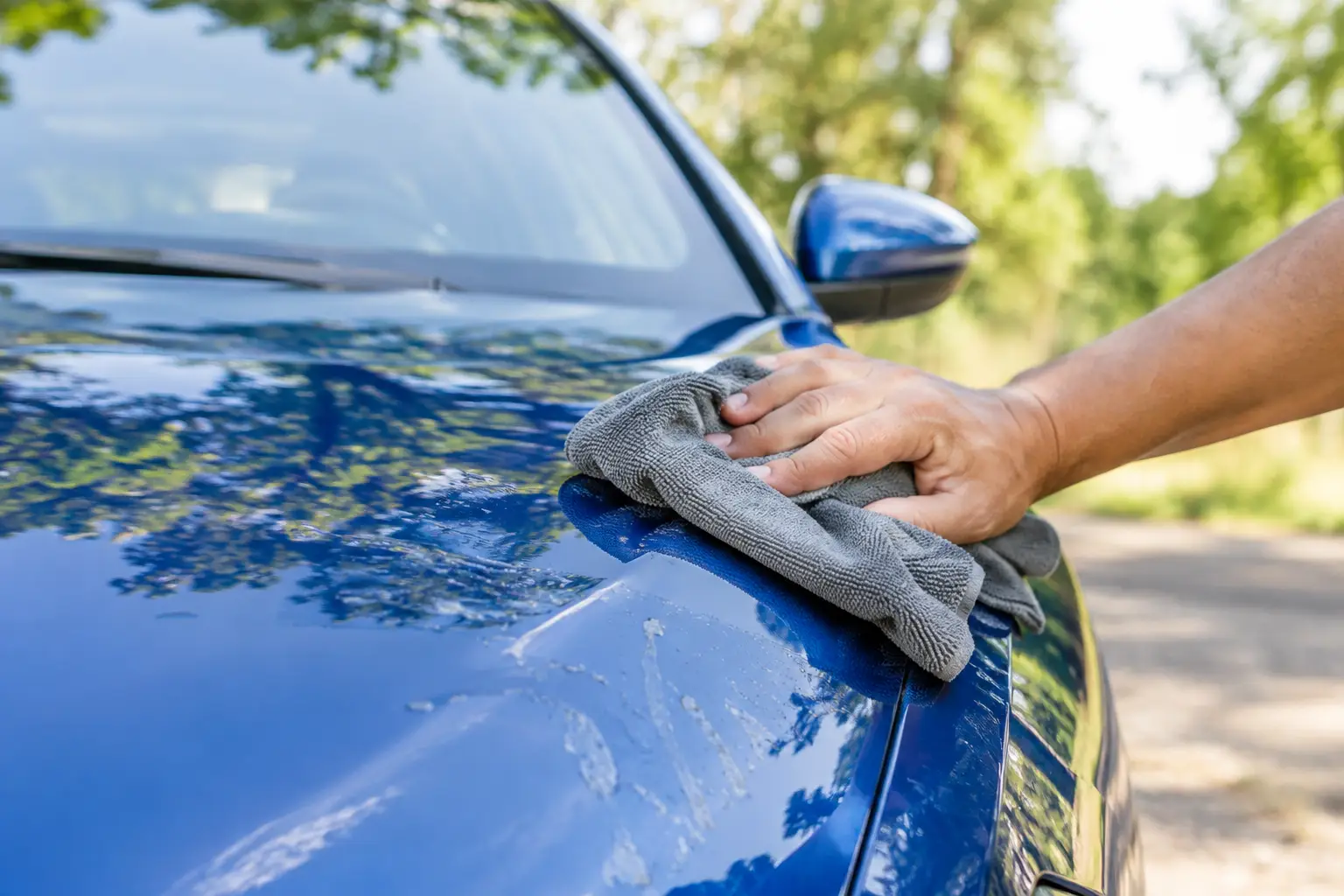
Tree sap can look harmless when it first lands on your vehicle. Leave it through a few hot afternoons, though, and it hardens into a sticky, stubborn spot that can dull the finish and collect dust. Knowing how to remove tree sap correctly protects more than your car's appearance - it helps prevent avoidable paint damage.
The biggest mistake is trying to scrape sap off dry. Even a fingernail, paper towel, or rough sponge can drag grit across the clear coat. The right approach is to soften the sap first, lift it with minimal pressure, and restore protection after the area is clean.
Why tree sap needs prompt attention
Sap contains natural resins and sugars that become more difficult to remove as they cure. Heat and direct sunlight accelerate that process, which is why cars parked beneath trees often develop hardened spots quickly during warm Metro Detroit summers.
Fresh sap is usually a simple detailing issue. Older sap can bond tightly to the paint, glass, trim, or paint protection film. It may also stain neglected surfaces, especially if the vehicle has been exposed to sun for weeks. Acting early reduces the amount of product and physical contact needed to clean it safely.
What to use before you remove tree sap
Start with a cool vehicle parked out of direct sun. Hot paint causes cleaning products to evaporate too quickly, making them less effective and more likely to leave residue.
You will typically need a quality pH-balanced car shampoo, clean microfiber towels, a dedicated automotive sap or bug-and-tar remover, and a spray detailer or paint-safe lubricant. A soft wash mitt is useful if the surrounding panel needs to be cleaned first.
Avoid household shortcuts such as acetone, nail polish remover, gasoline, lacquer thinner, abrasive pads, and razor blades. These may remove the sap, but they can also soften trim, strip wax, stain plastic, or compromise the gloss of the clear coat. The result is often a more expensive correction than the original sap spot.
How to remove tree sap from car paint
Wash the affected panel first
Rinse the panel to remove loose dirt and road grit. Then wash the area with automotive soap and a clean mitt. This matters because sap removal requires some wiping, and wiping over contaminated paint is how scratches happen.
Dry the panel gently with a clean microfiber towel. Once the surface is clean, you can see whether the spot is actually tree sap, bird droppings, bug residue, or a stain in the paint.
Soften the sap instead of rubbing it
Apply a dedicated sap remover or bug-and-tar product to a microfiber towel rather than flooding the entire panel. Hold the damp towel against the sap for 30 to 60 seconds. The goal is to let the product break down the resin, not to force it off.
For small, fresh deposits, a paint-safe detail spray may be enough. For hardened sap, use the stronger automotive product as directed on its label. Do not allow any chemical to dry on the surface.
Lift with light pressure
After the sap has softened, gently blot and wipe it away using a folded microfiber towel. Use straight, short motions rather than aggressive circular rubbing. Turn to a clean section of the towel as residue transfers onto it.
If the spot remains, repeat the soak-and-lift process. Patience is safer than increasing pressure. A second or third application is normal for older sap, especially on horizontal panels such as the hood, roof, and trunk.
Clean the residue and inspect the finish
Wash or rinse the area again once the sap is gone. This removes cleaner residue and lets you inspect the paint under good lighting. If the surface feels rough, a professional-grade clay treatment may be appropriate, but it should be used with proper lubrication and followed by paint protection.
Clay can remove bonded contamination that remains after the sap itself is gone. The trade-off is that clay may lightly mar softer paint if used incorrectly. For a newer, darker, or highly polished vehicle, professional decontamination is often the safer choice.
Reapply protection
Sap removers and repeated washing can reduce the water-beading performance of waxes and sealants. Apply a compatible spray sealant or protectant after cleaning, or schedule a maintenance service if the vehicle has a ceramic coating or paint protection film.
Protection does not make a vehicle immune to sap, but it makes cleanup easier. A maintained ceramic coating, PPF, or quality sealant gives contaminants less opportunity to bond directly to the painted surface.
Removing sap from glass, trim, and protected surfaces
Glass is more resistant than paint, but it still deserves care. Use an automotive sap remover and microfiber towel first. A glass-safe scraper may be suitable for stubborn residue on exterior glass only, but never use that tool on paint, trim, tint film, or plastic.
On textured black trim, sap can settle into small grooves and leave a noticeable pale or shiny patch after removal. Work with a soft detailing brush and an appropriate trim-safe cleaner rather than using harsh solvent. Follow with a trim protectant if needed.
If your vehicle has paint protection film, ceramic coating, or vinyl, check the protection provider's care recommendations before using a strong cleaner. Most professionally installed films and coatings tolerate routine sap removal when a compatible product is used, but harsh solvents and excessive rubbing are unnecessary risks. When in doubt, a detailer can remove the contamination while preserving the finish you invested in.
When tree sap needs professional detailing
At-home removal works well when the sap is fresh, limited to a few spots, and lifts without force. Professional help makes more sense when deposits have been baking on the vehicle, cover multiple panels, or leave dull marks after cleaning.
A trained detailer can assess whether the problem is remaining residue, bonded contamination, clear-coat etching, or paint marring from a previous removal attempt. Paint correction may restore gloss when sap has contributed to visible defects. If the vehicle is protected with PPF or ceramic coating, professional maintenance can also preserve the coating's performance while addressing the affected area.
This is especially worthwhile for dark paint, luxury finishes, leased vehicles approaching turn-in, and cars being prepared for sale. Clean, well-maintained paint presents better and helps support long-term value.
Preventing tree sap from coming back
The most reliable prevention is parking away from sap-producing trees whenever possible. If that is not realistic, rinse or wash the vehicle regularly and remove fresh spots before they cure. A car cover can help in some situations, provided the paint is clean before the cover is installed so trapped dirt does not cause scratching.
A professionally maintained protective layer also makes a practical difference. At MYNT Customs, paint protection options are designed to simplify maintenance while preserving the depth, gloss, and condition of your vehicle's finish.
Tree sap is easier to handle when it is treated as a timely maintenance task, not something to attack with whatever cleaner is nearby. Soften it, lift it gently, restore protection, and let a professional handle anything that has already become bonded or etched into the surface.