How to Prep Car for Detailing the Right Way
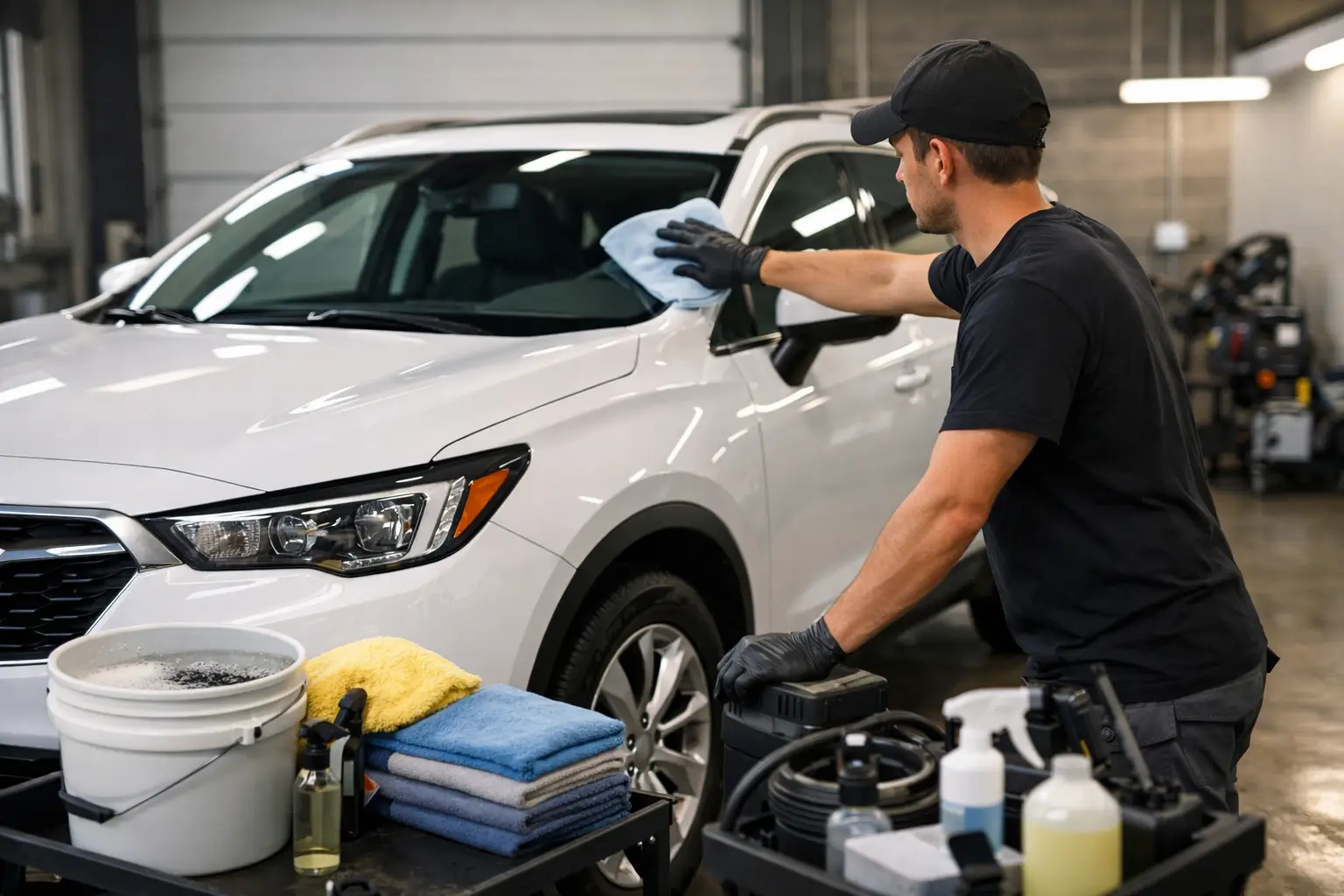
A professional detail works best when your vehicle arrives ready for the work that was booked. Knowing how to prep car for detailing is not about trying to clean it first. It is about removing obstacles, sharing the right information, and giving the detailer clear access to the areas that need attention. A few minutes of preparation can make your appointment more efficient and help produce a better final result.
Start With the Service You Scheduled
Preparation depends on the type of detailing service your vehicle is receiving. An interior detail requires access to carpets, seats, storage areas, and the trunk. Paint correction, ceramic coating, paint protection film, and window tint have different requirements because they involve careful surface preparation, curing time, or precision installation.
Review your appointment confirmation and note any instructions from the shop. If you are unsure what is included, ask before arrival. For example, an exterior detail may improve the paint's appearance, but it will not necessarily remove deep scratches, etched water spots, or rock chips. A professional can assess those concerns and recommend paint correction or protection if appropriate.
Be specific about your priorities. Mention pet hair, food spills, smoke odor, salt buildup, tree sap, hard-water spots, or a scratch that concerns you. These details help the team plan the right process and set realistic expectations before work begins.
How to Prep Car for Detailing Before Your Appointment
The most valuable thing you can do is empty the vehicle. Remove personal belongings from the cabin, center console, glove box, door pockets, seatback pockets, trunk, and cargo compartments. That includes sunglasses, paperwork, chargers, child items, gym bags, coins, loose tools, and anything stored under the seats.
Detailers can work around some items, but a full interior clean is more complete when every surface is accessible. It also prevents important belongings from being misplaced, damaged by moisture, or exposed during service. If there are items that must remain in the vehicle, point them out at check-in.
Remove any valuables before you arrive. This includes cash, jewelry, firearms, medication, personal documents, garage remotes, and expensive electronics. Professional shops take care around customers' vehicles, but clearing valuables is the simplest way to protect your privacy and avoid unnecessary concerns.
If you have a child safety seat installed, decide whether you want it removed. Detailing underneath and behind a car seat is difficult when it remains installed, but some owners prefer not to disturb the installation. Let the detailer know your preference. The same applies to aftermarket floor mats, cargo liners, and seat covers.
Clear Out the Trunk and Cargo Area
The trunk is often overlooked, especially in daily drivers and SUVs. Yet it collects grocery bags, sports gear, emergency supplies, work equipment, and loose debris. If trunk or cargo-area detailing is part of the service, remove as much as possible before drop-off.
You do not need to take out permanently mounted equipment or emergency items that need to stay with the vehicle. Just let the team know what should not be moved. Clear access allows for better vacuuming, stain treatment, and cleaning around trim panels and spare-tire areas when included in the service.
Do Not Wash or Apply Products Right Before Service
Many owners feel they should wash the car before a detailing appointment. Usually, that is unnecessary. A professional detail begins with the appropriate wash and decontamination process, and a quick driveway wash can leave residue, missed contaminants, or water trapped in trim and panel gaps.
Avoid applying tire shine, spray wax, interior dressing, air freshener, or touch-up products right before your appointment unless the shop specifically asks you to. These products can interfere with surface evaluation and make it harder to identify the vehicle's true condition. Heavy fragrance can also mask odors that need professional treatment.
There are exceptions. If your vehicle is covered in heavy mud, construction debris, or winter road salt, contact the shop before arriving. The team may ask you to rinse off the worst buildup or may adjust the appointment to allow for the additional cleaning time. Metro Detroit winters can be especially demanding on wheel wells, carpets, and lower body panels, so honest communication helps avoid surprises.
Identify Damage and Sensitive Areas
Walk around the vehicle before drop-off and take a few photos in good lighting. Document existing dents, scratches, cracked trim, windshield chips, wheel damage, and interior wear. This is useful for your own records and gives you a chance to point out specific areas you want assessed.
Tell the detailer about any aftermarket parts, fresh paintwork, vinyl wraps, matte finishes, paint protection film, ceramic coatings, or prior repair work. These surfaces may require different products and techniques. Matte paint, for example, should not be polished like gloss paint. Freshly repainted panels may need time to cure before a coating or film application.
Also mention known issues such as a weak battery, leaking seals, a malfunctioning window, loose headliner, warning lights, or a trunk that does not open normally. A detailer does not need a full maintenance history, but knowing about sensitive areas helps prevent accidental complications during cleaning.
Make Access Easy for the Team
Bring all keys needed to move and access the vehicle. If your car has a locking wheel key, locking fuel door, manual trunk release, valet mode, or a hidden battery location, explain it during check-in. Provide the key fob and any required access code if the vehicle needs to be moved.
For vehicles with advanced driver-assistance features, custom alarm systems, or aftermarket remote starts, let the team know about any special operating steps. If you use a dash camera, parking camera, or interior security camera, check its settings before drop-off. Some systems record audio or drain the battery when left active for long periods.
If possible, arrive on time and allow a few minutes for a proper walk-around. Rushing through check-in can leave important questions unanswered. A clear handoff gives both you and the service team confidence about the scope of work.
Set Realistic Expectations for Results
Professional detailing can make a dramatic difference, but cleaning is not the same as repair. Deep scratches may need paint correction. Torn leather, cracked plastic, worn carpet, oxidized trim, and stone chips may improve cosmetically but cannot always be returned to factory-new condition through detailing alone.
The condition of the vehicle, its age, previous care, and the service selected all affect the outcome. A well-maintained newer vehicle may be ready for a protection-focused service such as ceramic coating or paint protection film. A neglected daily driver may benefit from deep interior reconditioning and paint correction first. The right recommendation should match your vehicle, budget, and ownership goals rather than a one-size-fits-all package.
Plan for Pickup and Aftercare
Ask whether your service requires additional curing time or special care after pickup. Ceramic coatings, tint, and certain protective films have aftercare requirements that differ from a standard detail. You may need to avoid washing the vehicle for a period, keep windows up, or wait before rolling tinted windows down.
At pickup, inspect the vehicle with the team if possible. Ask how to maintain the finish, what products to avoid, and when to schedule maintenance. The best detail is easier to preserve when routine washing, interior cleanup, and protection are handled before contamination becomes embedded again.
A clean vehicle gives a detailer a better workspace, but clear communication gives them a better plan. Remove what you can, point out what matters, and let the professionals handle the correction, protection, and finishing work your vehicle needs.