How to Decontaminate Car Paint the Right Way
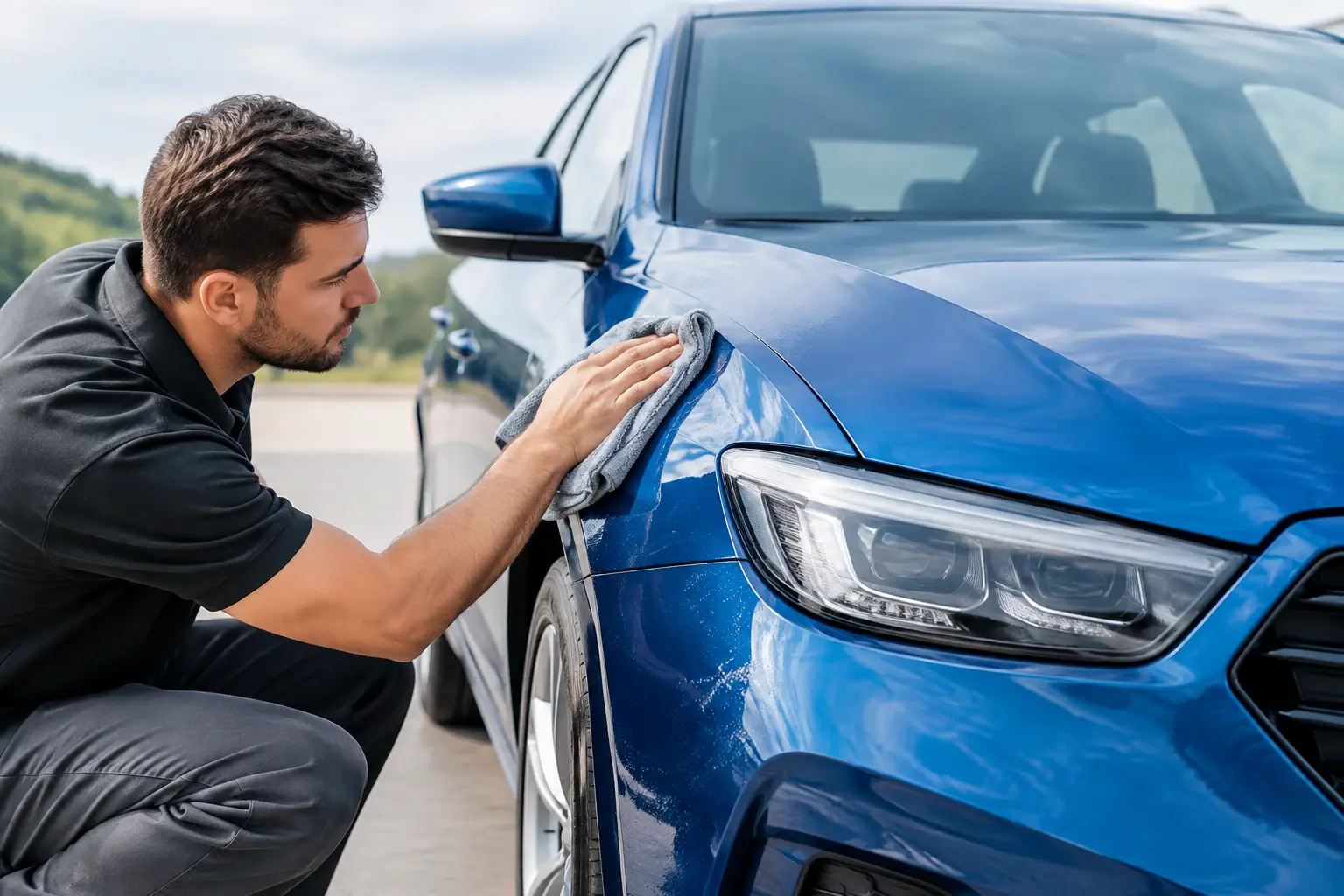
A vehicle can look clean and still have contamination bonded to the paint. Run a clean hand across the surface after washing it, and you may feel roughness from brake dust, road tar, industrial fallout, tree sap, and other debris. Learning how to decontaminate car paint removes those embedded particles before they dull the finish, interfere with protection, or contribute to marring during future washes.
For Metro Detroit drivers, this is more than a cosmetic step. Winter road film, construction dust, rail dust, salt residue, and heavy brake dust can build up quickly. Proper decontamination restores a smooth surface and gives wax, sealant, ceramic coating, or paint protection film the clean foundation it needs to perform as intended.
What Paint Decontamination Actually Removes
A standard wash removes loose dirt, traffic film, and much of the grime sitting on top of the vehicle. It does not always remove particles that have bonded into the clear coat. Those contaminants can feel like sandpaper even when the paint looks glossy from a few feet away.
Chemical decontamination breaks down contamination that reacts to a dedicated product, especially embedded iron particles and tar. Mechanical decontamination uses a clay bar, clay mitt, or synthetic clay towel to pull remaining bonded debris from the paint. The best approach usually combines both methods, but the condition of the vehicle determines how aggressive the process needs to be.
Not every rough surface needs a heavy clay treatment. A newer, well-maintained vehicle may only need an iron remover and a gentle clay mitt. A daily driver that has spent several Michigan winters outdoors may need a more complete process, followed by paint correction if contamination or improper washing has left visible defects.
Start With a Safe, Thorough Wash
Never decontaminate dry or dirty paint. Dragging a clay product over loose dirt is one of the fastest ways to create swirl marks and fine scratches.
Begin in the shade with paint that is cool to the touch. Rinse the vehicle thoroughly, including the lower panels, wheel arches, rocker panels, and rear bumper, where contamination often collects. Use a pH-balanced automotive shampoo, clean wash media, and the two-bucket method or a quality rinseless wash process. The goal is to remove surface grime without grinding it into the clear coat.
Pay close attention to the lower half of the doors, behind the wheels, and the tailgate or trunk area. These panels take the most abuse from road spray. After washing, rinse again and leave the paint wet for the chemical decontamination stage unless the product directions state otherwise.
How to Decontaminate Car Paint With Chemicals
Chemical decontamination should come before claying whenever possible. It removes a significant amount of contamination without physical contact, reducing the work your clay product has to do.
Remove Embedded Iron Particles
Iron removers are designed to dissolve ferrous particles from brake dust, rail dust, and industrial fallout. These particles can embed in clear coat and wheels, then oxidize over time. On many products, the reaction turns purple or red as the iron dissolves, making it easy to see where contamination is concentrated.
Spray the product onto clean, cool paint according to its label directions. Let it dwell briefly, but do not allow it to dry. Rinse thoroughly from top to bottom. Iron removers have a noticeable odor, so use them in a well-ventilated area and wear gloves.
Iron remover is particularly useful on white, silver, and light-colored vehicles, where tiny rust-colored specks are often visible. It is also valuable before applying ceramic coating because coatings need a chemically clean surface for proper bonding.
Treat Tar, Sap, and Adhesive Separately
Iron remover will not remove everything. Black tar spots, adhesive residue, and some tree sap require a dedicated tar remover or adhesive remover. Apply it only where needed, let it soften the contamination, and gently wipe with a clean microfiber towel. Follow with a rinse or wash if the product calls for it.
Avoid using harsh solvents, gasoline, abrasive pads, or household cleaners. They can stain trim, weaken existing protection, and create unnecessary risk around sensitive paintwork. A product made for automotive finishes is the safer choice.
Use Clay Only When the Paint Needs It
After chemical decontamination, lightly glide your fingertips across the wet paint using a thin plastic bag over your hand. The bag amplifies texture and helps reveal what remains. If the surface feels smooth, additional claying may not be necessary. If it still feels gritty, mechanical decontamination is the next step.
A traditional clay bar offers strong cleaning ability, but it can mar softer paint if used aggressively. Clay mitts and synthetic clay towels are faster and reusable, making them practical for regular maintenance. They can still cause marring, however, especially on dark paint or neglected vehicles. The difference is technique, lubrication, and pressure.
Use a dedicated clay lubricant or a compatible diluted shampoo solution. Work one small panel section at a time and keep the surface heavily lubricated. Glide the clay lightly in straight passes. Do not scrub. When the clay moves smoothly with little resistance, wipe the area with a plush microfiber towel and check your progress.
If using a traditional clay bar, fold and knead it often to expose a clean surface. If it falls on the ground, throw it away. Dirt embedded in the clay can scratch paint immediately. Synthetic clay media can usually be rinsed clean if dropped, but inspect it carefully before putting it back on the vehicle.
Know When to Stop and When to Correct
The goal is a clean, smooth surface, not endless claying. Overworking paint adds risk without adding value. If contamination is gone but the finish looks hazy, scratched, or swirled under direct light, those are paint defects, not leftover dirt. They require polishing or paint correction.
This distinction matters before applying a ceramic coating. A coating adds gloss and long-term protection, but it does not hide swirls or repair etched water spots. In fact, coating over defects can make them more noticeable because the surface becomes glossier. Proper preparation may include a one-step polish or a multi-stage correction, depending on paint condition and the result you want.
Owners of leased vehicles and vehicles being prepared for resale may choose a lighter correction to improve presentation efficiently. Enthusiast, luxury, and new-car owners often prefer a more detailed correction before long-term protection. The right level of service depends on the paint, budget, and ownership goals.
Protect the Freshly Decontaminated Finish
Decontamination strips away much of the wax, sealant, or spray protection that was previously on the surface. Once the paint is clean, do not leave it unprotected.
For a short-term solution, apply a quality paint sealant or ceramic spray protectant. For more durable results, a professionally installed ceramic coating can improve gloss, simplify washing, and add resistance against environmental exposure. Paint protection film is the stronger option for high-impact areas such as the front bumper, hood, mirrors, rocker panels, and behind-wheel sections where chips and abrasion are common.
Protection does not eliminate maintenance. Wash regularly with proper tools, avoid automatic brushes when possible, and remove bird droppings, bug residue, and road salt promptly. A protected vehicle stays cleaner and is easier to maintain, but it still needs careful washing to preserve the finish.
Common Mistakes That Damage Paint
The most common mistake is treating claying like scrubbing. Pressure is not what removes contamination - lubrication and gentle contact do. Another mistake is claying before washing or skipping chemical decontamination, which forces the clay to handle more debris than necessary.
Using the wrong towels can also undo good work. Keep separate towels for wheels, lower panels, paint, and product removal. Wheel contamination is especially abrasive, and a towel used around brake dust should never return to a painted panel.
Finally, do not assume every rough spot is safe to remove at home. Heavy overspray, industrial fallout, etched sap, or contamination on matte and satin finishes may need a professional assessment. Specialty finishes require specific products and techniques to avoid changing their appearance.
A smooth paint surface changes how a vehicle looks, feels, and protects. If your paint still feels rough after a wash or you are preparing for ceramic coating, paint correction, or PPF, a professional decontamination service from MYNT Customs can provide the clean foundation your finish deserves.