What Affects Ceramic Coating Lifespan?
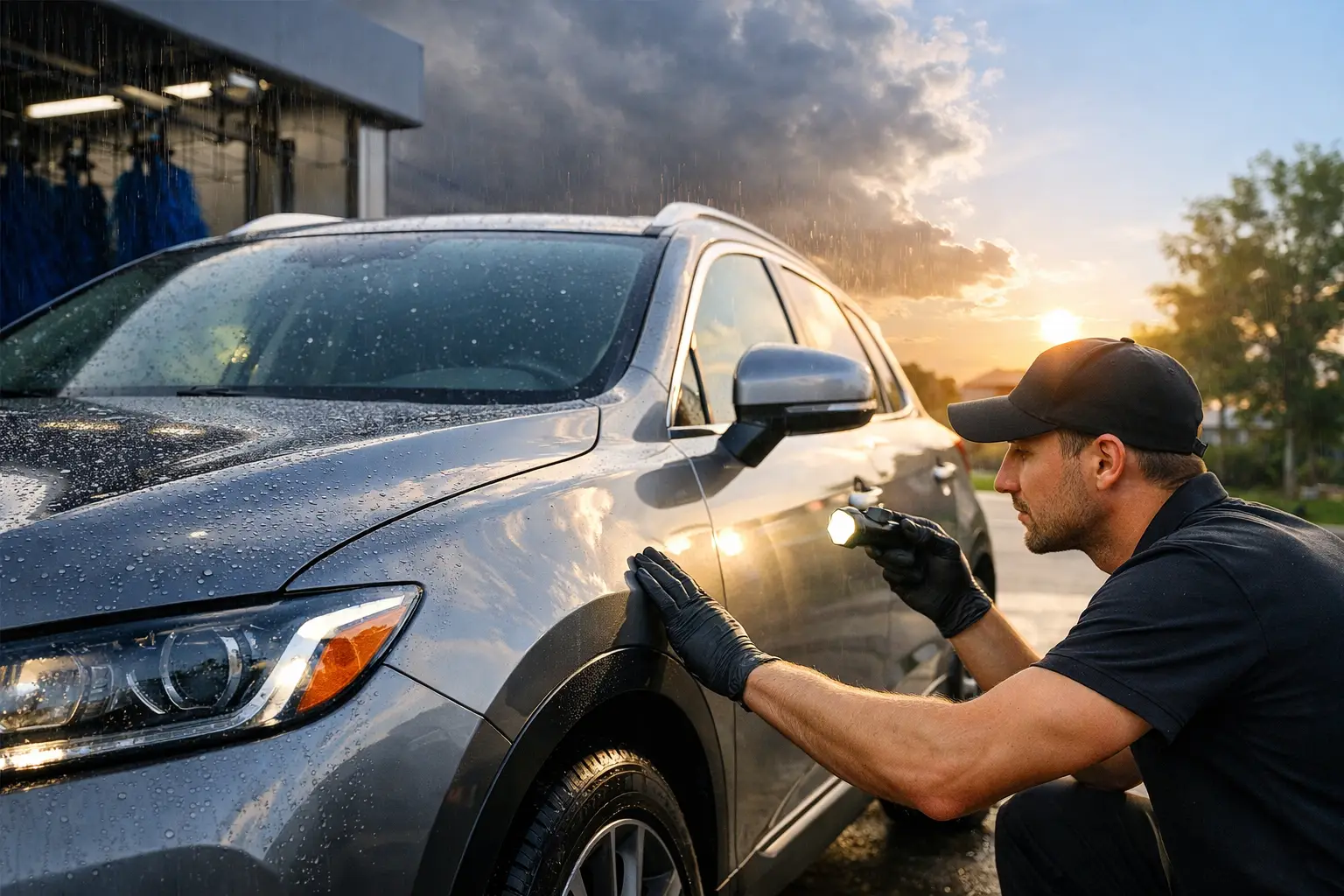
A ceramic coating can make a vehicle look freshly detailed long after the appointment, but ceramic coating lifespan is not a fixed number stamped on every car. The same coating may perform very differently on two vehicles depending on paint preparation, how the vehicle is stored, local weather, wash habits, and the quality of the installation.
For Metro Detroit drivers, that difference matters. Winter salt, slush, road grime, strong summer sun, construction dust, and frequent commuting all put a vehicle's finish to work. A professionally installed ceramic coating provides a durable, glossy, easy-to-clean surface, but its long-term results come from the coating system and the care that follows.
How Long Does a Ceramic Coating Last?
Most professional-grade ceramic coatings are designed to last anywhere from two to five years, while premium multi-year systems can last longer when they are properly maintained. Consumer spray coatings and ceramic-infused sealants generally offer shorter protection, often measured in months rather than years.
Those ranges are useful, but they are not guarantees that a vehicle will bead water perfectly until a specific date. Coatings wear gradually. A daily-driven SUV parked outside in Livonia will face more contamination and UV exposure than a weekend vehicle that stays in a garage. Both may have the same product applied, yet their real-world results will not match exactly.
Ceramic coating also does not stop physical damage. It helps resist UV fading, oxidation, chemical staining, bird droppings, bug residue, and bonded road grime. It adds gloss and makes routine washing easier. It does not prevent rock chips, deep scratches, or parking-lot damage. For areas exposed to heavy road debris, paint protection film is the stronger solution because it provides a physical impact barrier.
What Determines Ceramic Coating Lifespan?
Paint preparation sets the foundation
A coating can only bond as well as the surface beneath it allows. New vehicles can arrive with rail dust, dealership wash marring, adhesive residue, and light contamination. Older vehicles may have swirl marks, oxidation, water spotting, or previous waxes and sealants that need to be removed.
Professional paint correction and decontamination create the clean, uniform surface a coating needs. Skipping that step may save time upfront, but it can reduce clarity, bonding, and the final finish. More importantly, coating over defects preserves those defects under a glossy layer. Preparation is where the visual transformation begins and where long-term durability is protected.
Product quality and installation method matter
Not all ceramic coatings use the same chemistry, solids content, curing process, or application requirements. Professional products are selected for defined performance characteristics, but they still need to be applied evenly, leveled at the right time, and allowed to cure in controlled conditions.
High spots, missed areas, or rushed curing can affect both appearance and durability. This is why ceramic coating should be treated as a surface-protection service, not simply a bottle of product. The installer’s process has a direct effect on how the coating looks on day one and how it performs over the next several seasons.
Your driving environment is a major factor
Road conditions are one of the biggest variables in coating longevity. Metro Detroit roads can expose paint to salt brine, dirty snow, tar, industrial fallout, and gritty spray from surrounding traffic. Left on the surface, those contaminants can clog the coating’s water-repelling behavior and make it appear as if protection has failed.
Parking outside adds more UV exposure, pollen, tree sap, bird droppings, and hard-water spotting. Long highway commutes introduce more bug residue and airborne contaminants. A ceramic coating makes these issues easier to remove when addressed promptly, but it cannot eliminate the need to wash the vehicle.
Maintenance determines how long the coating performs well
Proper maintenance does not mean spending every weekend detailing your car. It means using safe wash methods consistently and avoiding products that leave heavy residue behind. Harsh degreasers, abrasive polishes, automatic tunnel washes with aggressive brushes, and neglected contamination can shorten the useful life of any coating.
A pH-balanced hand wash or touchless wash is typically the safer choice. Use clean wash media, dry with quality microfiber towels, and remove bird droppings, bug splatter, and tree sap as soon as practical. During winter, regular washing is especially valuable because it removes salt film before it has time to build up on painted surfaces, trim, wheels, and lower panels.
Ceramic-specific maintenance products can help restore hydrophobic behavior when contamination has muted it. That is different from replacing the coating. Sometimes a vehicle that seems to have lost water beading simply needs a proper decontamination wash and maintenance service.
Signs Your Ceramic Coating Needs Attention
Water beading is useful, but it should not be the only measure of coating health. A well-maintained coating may sheet water in some conditions rather than form dramatic beads, especially after it has collected road film. The more meaningful question is whether the paint still cleans easily and whether contamination releases without excessive scrubbing.
Consider a professional inspection if the finish feels rough after washing, water behavior has noticeably changed, stains are becoming harder to remove, or the gloss appears muted despite proper cleaning. In many cases, the coating itself remains intact but has become contaminated. A maintenance detail can remove buildup and improve performance without requiring a complete recoating.
If the coating has genuinely reached the end of its service life, the paint should be evaluated before a new application. Depending on the vehicle’s condition, it may need light polishing or more involved correction to restore clarity and remove wash-induced defects.
How to Extend Ceramic Coating Lifespan
The simplest approach is to keep contamination from sitting on the vehicle for long periods. Wash routinely, especially after winter driving or long road trips. Dry the vehicle to reduce mineral spotting, and avoid wiping dusty paint with a dry towel, which can create fine scratches.
Use a dedicated maintenance appointment when the finish needs more than a standard wash. Professional decontamination can remove embedded fallout, mineral deposits, and traffic film that normal washing may leave behind. This protects the appearance of the coating while helping it maintain the slick, glossy finish that made ceramic protection appealing in the first place.
Parking in a garage or under covered parking can reduce UV exposure and environmental fallout, though it is not required for a coating to provide value. Daily drivers benefit substantially from ceramic coating because it reduces the effort needed to keep paint presentable through changing weather and regular use. The goal is not perfection every day. It is making routine care more effective and preserving the vehicle’s finish over time.
Ceramic Coating vs. Paint Protection Film for Longevity
Ceramic coating and paint protection film are often discussed together, but they solve different problems. Ceramic coating is ideal for gloss, easier cleaning, UV resistance, and chemical protection across painted surfaces, wheels, trim, and glass. Paint protection film is designed to take the impact of rock chips, road debris, and light scuffs on high-risk areas such as the front bumper, hood, mirrors, and rocker panels.
For a new vehicle, combining PPF on impact zones with ceramic coating over protected and painted surfaces can provide a more complete protection plan. For a lease vehicle or a well-kept daily driver, a ceramic coating alone may be the practical choice for improving appearance and simplifying maintenance. The right option depends on how far you drive, where you park, the condition of the paint, and how long you plan to keep the vehicle.
A long ceramic coating lifespan is less about chasing a label or warranty term and more about choosing qualified preparation, realistic protection, and routine care that fits your ownership habits. When the finish is maintained properly, ceramic coating remains a smart way to keep a vehicle cleaner, glossier, and easier to enjoy through every Michigan season.