Does Tint Block UV Rays? What Drivers Should Know
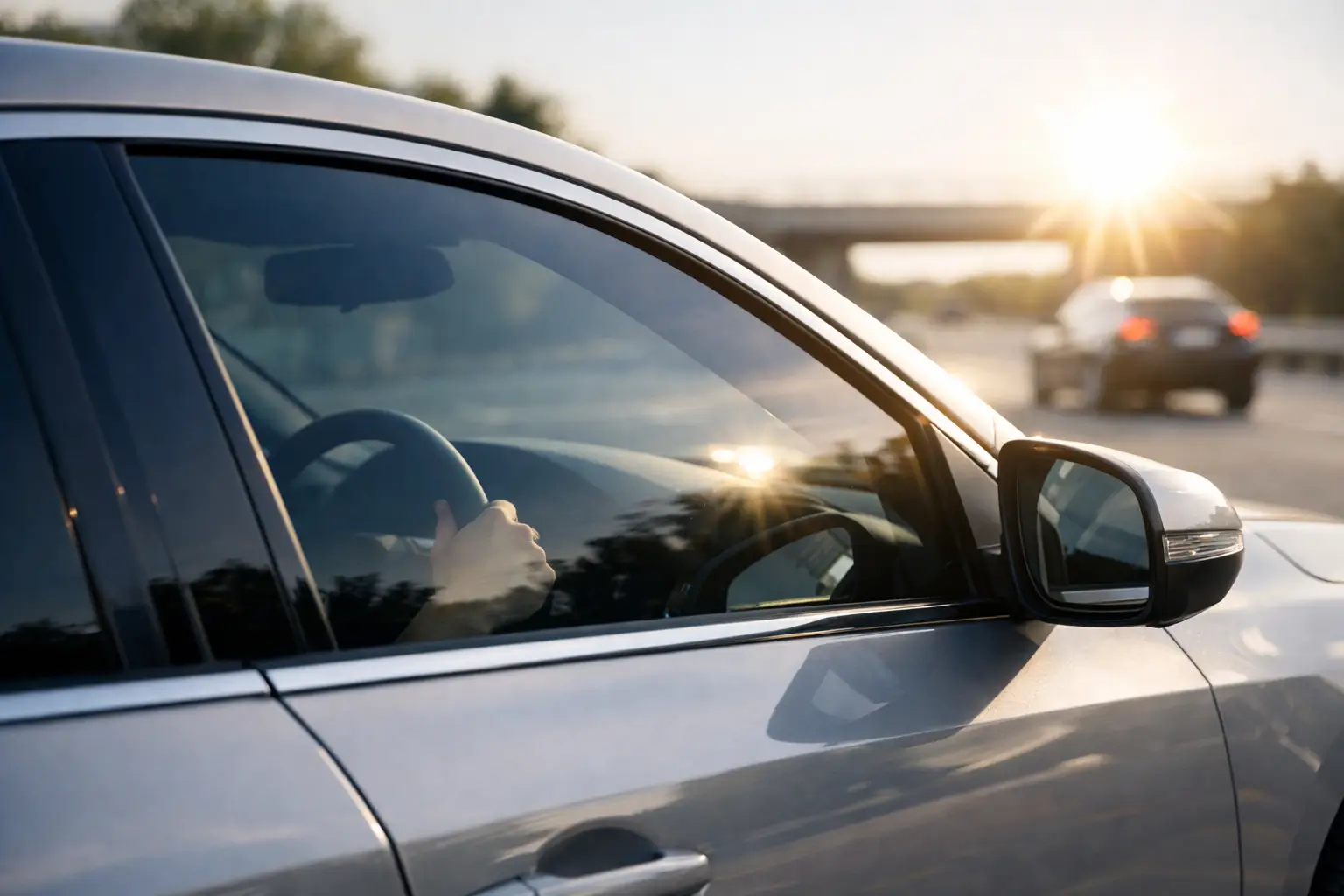
A vehicle can look perfectly clear from the outside and still expose its occupants and interior to a meaningful amount of ultraviolet light. That matters during the daily commute, long highway drives, and every hour a car sits in an open parking lot. So, does tint block UV rays? Quality automotive window film can block up to 99% of UV radiation, but the answer depends on the film, the glass location, and the quality of the installation.
For Metro Detroit drivers, UV protection is not just a summer concern. Sun exposure reaches your cabin year-round, contributing to faded trim, dried-out leather, cracked dashboards, and uneven wear across the interior. The right window tint adds privacy and a refined appearance, but its protection benefits often make the bigger long-term difference.
Does Tint Block UV Rays? Yes, but Film Quality Matters
Most professionally installed automotive window films are designed to reject the vast majority of ultraviolet radiation, including UVA rays. UVA is the type of UV light associated with long-term skin exposure and the gradual fading and deterioration of interior materials. It passes through clouds and can still reach your vehicle on bright, cold Michigan days.
A quality film can block up to 99% of UV rays without needing to be extremely dark. That distinction is critical. A dark-looking tint is not automatically a high-performing tint, while a light or nearly clear film can still provide strong UV rejection. The film’s construction and documented performance specifications matter far more than its visible shade alone.
Not all tint products are made to the same standard. Entry-level dyed films may improve appearance and reduce glare, but they can fade, turn purple, bubble, or lose performance over time. Premium ceramic and carbon window films are built for better color stability, clearer visibility, and more consistent protection. Ceramic film is especially valued because it can reduce heat without relying on heavy darkness or metallic material that may interfere with electronics.
Your Factory Glass Already Blocks Some UV
Modern vehicle glass is not completely unprotected. Your windshield is typically laminated glass, meaning it has a plastic layer between two panes of glass. That construction generally provides excellent UV protection, particularly against UVB and much of UVA.
Side windows, however, are commonly tempered glass. They may block most UVB rays, but their UVA protection can vary substantially by make, model, and glass type. Rear glass may also provide some protection, but it should not be assumed to match the windshield’s performance.
This is why window film remains valuable even on newer vehicles. It creates a more consistent protective layer across the side and rear glass, where drivers and passengers receive the most direct side-angle sun exposure. It also helps protect the areas of the cabin that take the daily beating: door panels, seats, console surfaces, dash materials, and rear-deck trim.
UV Rejection, Heat Rejection, and Tint Darkness Are Different
Window-tint terminology can be confusing because several performance measurements are often discussed together. They are related, but they are not interchangeable.
UV rejection describes how effectively a film blocks ultraviolet light. For interior preservation and UV exposure, this is the figure to review. High-quality films often state 99% or greater UV rejection.
Infrared rejection measures how well a film manages a portion of the sun’s heat. Infrared heat is a major reason a cabin feels hot, even when the windows are not particularly dark. Higher infrared rejection can make a noticeable difference in comfort and can reduce the workload on your air conditioning system.
Visible light transmission, often called VLT, is the percentage of visible light that passes through the window. A lower VLT means a darker appearance. This is the measurement used for tint-law compliance, not UV protection. A lighter ceramic film can block nearly as much UV as a dark film, while keeping a more open look and better nighttime visibility.
For many daily drivers, the best choice is not necessarily the darkest legal option. It is the film that delivers the right balance of privacy, heat management, visibility, and long-term protection for how the vehicle is used.
What UV Damage Looks Like Inside a Vehicle
UV damage is gradual, so it is easy to overlook until it is expensive or impossible to reverse. Dark dashboards can lose their even finish and develop dry, chalky-looking areas. Leather and vinyl can stiffen, discolor, or crack. Upholstery can fade unevenly, especially where sunlight regularly hits the driver’s side or rear seat.
Vehicles with panoramic roofs, light-colored interiors, leather seating, or large glass areas are particularly exposed. The same applies to work vehicles that spend most of the day parked outdoors and to weekend vehicles that sit in a driveway between drives.
Window tint does not replace regular interior care. Leather, vinyl, and plastic still benefit from proper cleaning and UV-safe conditioning. But quality film reduces the amount of radiation those materials must withstand in the first place. It is a preventive measure, much like paint protection film or ceramic coating helps reduce the toll of everyday exposure on exterior surfaces.
Which Window Film Is Best for UV Protection?
For drivers focused on dependable performance, ceramic window film is usually the strongest overall option. It offers high UV rejection, effective heat management, stable color, and excellent optical clarity. Because it uses non-metallic ceramic particles, it is also a smart fit for vehicles with advanced connectivity, GPS, satellite radio, and keyless-entry systems.
Carbon film can also be a solid middle-ground choice. It generally offers better durability and color stability than basic dyed film while providing useful UV and heat control. Dyed film may work for appearance-focused applications on a tighter budget, but its long-term heat rejection and fade resistance are usually more limited.
The right product depends on the vehicle and the owner’s priorities. A performance vehicle with dark interior trim may benefit from a ceramic film chosen for heat rejection. A leased daily driver may need a value-focused package that improves comfort and preserves the cabin through the lease term. A luxury SUV with a panoramic roof may need a more complete strategy that addresses side glass and overhead sunlight.
Professional Installation Protects Performance and Appearance
A premium film can only perform as intended when it is installed correctly. Clean glass preparation, accurate pattern cutting, proper edge finishing, and controlled curing all affect the final result. Poor installation can leave contamination, uneven edges, visible gaps, trapped moisture, or premature lifting.
Professional installation also gives you a clearer understanding of the film you are receiving. Rather than choosing based on shade alone, you can compare UV rejection, infrared performance, warranty coverage, and the look that fits your vehicle. That is especially useful when balancing privacy with safe visibility during rain, snow, and darker winter afternoons.
At MYNT Customs, window tint is approached as an appearance and protection upgrade, not a quick add-on. The goal is a clean finish that complements the vehicle while helping reduce the wear that sun, heat, and daily use place on the cabin.
Keep Michigan Tint Rules in Mind
Before selecting a shade, make sure the film and placement comply with current Michigan requirements. Tint rules can differ by window location, and restrictions around front side windows and windshields deserve particular attention. Medical exemptions may have separate requirements.
A professional shop can help you select an option that looks right while respecting applicable regulations. This is another reason not to chase darkness as the only measure of value. You can achieve strong UV protection with a legal, lighter film and avoid sacrificing nighttime visibility or creating an unnecessary compliance issue.
UV Protection Is a Small Upgrade With Daily Value
Window tint is often chosen for the immediate visual change, but its everyday advantages become more apparent with time. A cooler-feeling cabin, less glare, better privacy, and slower interior aging all add up over years of ownership. For drivers preparing a vehicle for resale, preserving the condition of leather, trim, and upholstery can also support a stronger presentation when it is time to sell.
Choose film based on verified UV performance, heat control, durability, and a shade you can live with every day. The best tint should make getting into your vehicle more comfortable now while helping it look better long after the new-car feeling is gone.