Does Window Tint Reduce Heat? What Drivers Notice
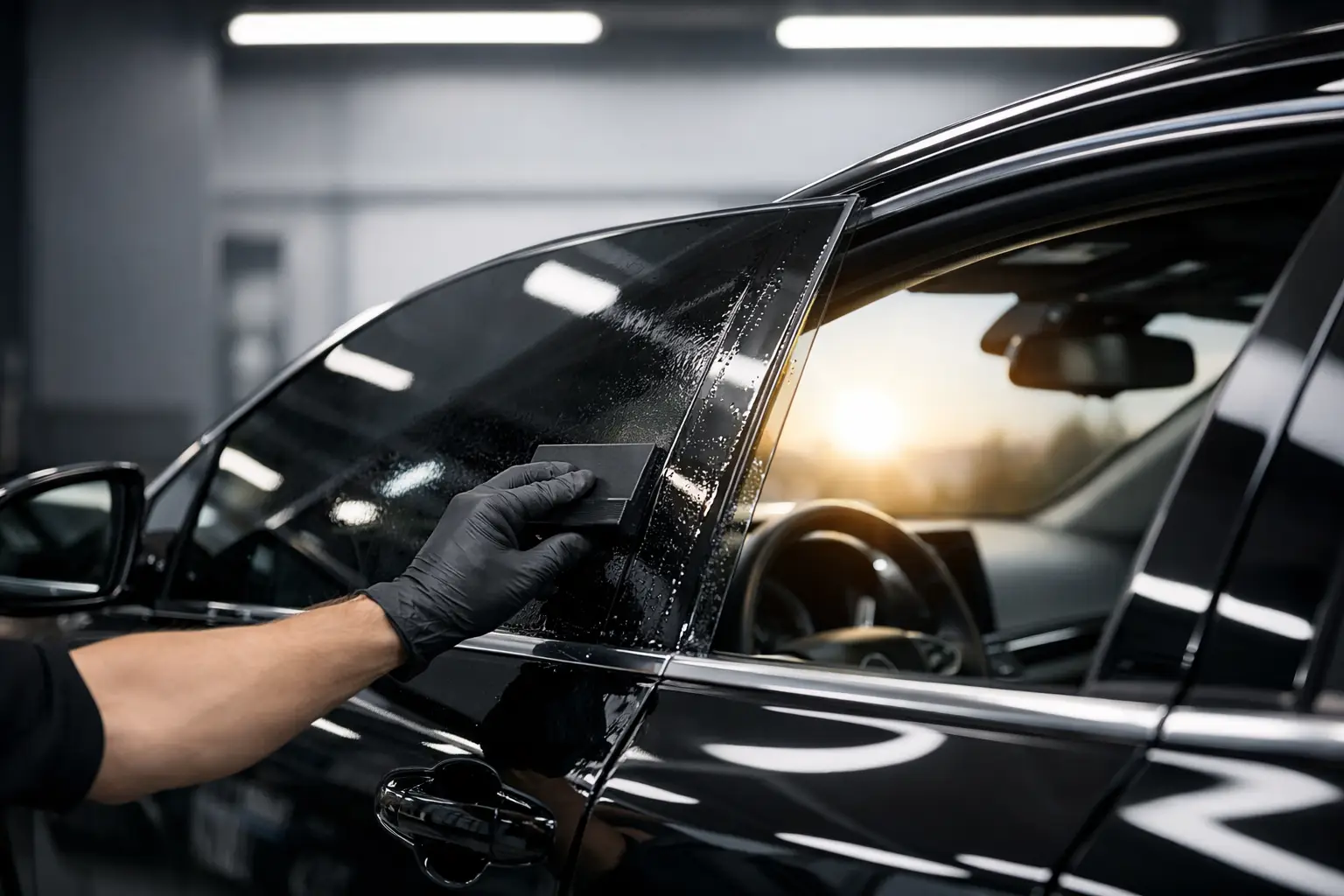
A black interior parked outside during a Metro Detroit summer can feel unbearable before the air conditioning has a chance to work. So, does window tint reduce heat? Yes - quality automotive window film can make a noticeable difference by rejecting a portion of the sun’s energy before it enters the cabin. The results depend on the film type, the glass being tinted, the vehicle, and how long it sits in direct sun.
Window tint is not a replacement for air conditioning, and it will not keep a vehicle from getting warm after hours in an uncovered parking lot. What it does is reduce the solar load your cabin absorbs. That means less heat on the seats, steering wheel, center console, and glass surfaces, along with a more comfortable drive once you get moving.
How Window Tint Reduces Cabin Heat
Sunlight carries more than visible light. It also includes infrared energy, which is strongly associated with the heat you feel, and ultraviolet radiation, which contributes to fading and material damage. Automotive window film is engineered to manage that incoming solar energy.
A quality tint film can reflect, absorb, or reject parts of the solar spectrum. Premium ceramic films are especially effective because they are designed to reject heat without relying on metalized construction. That helps preserve clear visibility, avoids interference concerns associated with some older film technologies, and delivers strong heat performance in a range of shades.
The practical benefit is simple: less solar energy enters the cabin, so the interior does not heat up as aggressively. Your AC may cool the vehicle faster, and it does not have to fight as much heat coming through the side and rear glass while you drive.
Heat Rejection Is Not the Same as Darkness
One of the most common misconceptions is that darker tint always means cooler glass. Shade can help reduce visible light, but darkness alone does not determine heat rejection.
A high-quality, lighter ceramic film may reject substantially more infrared heat than a darker entry-level dyed film. That matters for drivers who want a clean, factory-style look, need to stay within legal tint limits, or prefer excellent nighttime visibility without giving up comfort.
When comparing film options, look beyond the visible light transmission percentage, often called VLT. VLT tells you how much visible light passes through the glass and film together. It does not, by itself, tell you how effectively the film rejects infrared energy or total solar energy.
What You Can Realistically Expect
The change is usually most noticeable in direct sunlight. A properly tinted vehicle can feel less punishing when you first get in, especially on the surfaces that normally take the full force of the sun. Leather, vinyl, plastic trim, and seatbelt buckles may still get warm, but they often will not be as extreme as they are with untreated glass.
On the road, window tint helps limit the constant heat gain that occurs through the windows. This is particularly helpful during longer commutes, weekend drives, and trips where the sun is hitting one side of the vehicle for extended periods. Drivers and passengers may also notice less glare, which can reduce eye fatigue in bright conditions.
The amount of improvement varies. A compact car with a large windshield and dark interior will absorb heat differently than a full-size SUV with factory privacy glass. The windshield is also a major source of solar heat, yet it is subject to different tint rules than side and rear windows. That is why a professional recommendation should consider the entire vehicle rather than treating every piece of glass the same way.
The Film Type Makes a Major Difference
Not all window tint is built for the same purpose. Basic dyed film can improve appearance and reduce glare, but it generally offers lower heat rejection than advanced films. It may also be more likely to fade over time depending on its quality and installation.
Carbon film is a step up for many vehicles. It offers a richer appearance and can provide better heat control than basic dyed options. For drivers focused on long-term comfort and performance, ceramic tint is typically the premium choice.
Ceramic window film uses non-metallic ceramic particles to reject heat and UV exposure efficiently. It can provide strong infrared rejection even in lighter shades, making it a smart option for luxury vehicles, daily drivers, performance cars, and anyone who spends significant time behind the wheel. It also avoids the signal interference concerns that can arise with certain metalized films.
A professional installer can explain the difference between a film’s infrared rejection and its total solar energy rejection. Both numbers can be useful, but total solar energy rejection gives a broader view of how much of the sun’s overall energy is being managed by the film and glass combination.
Window Tint Also Protects the Interior
Heat comfort gets most of the attention, but UV protection is just as valuable over the life of a vehicle. Prolonged sunlight can fade upholstery, dry out leather, discolor trim, and contribute to cracking on dashboards and door panels.
Most quality automotive films block the vast majority of harmful UV rays. This gives the cabin another layer of defense, especially for vehicles parked outdoors at work, home, or school. It is a practical benefit for new-car owners who want to preserve a fresh interior and for owners preparing to protect resale value over the long term.
Tint can also help reduce glare from bright roads, wet pavement, snow, and low-angle afternoon sun. That does not mean the film should be so dark that it compromises safe visibility. The right shade balances privacy, style, comfort, and clear sightlines in changing conditions.
Factors That Affect Heat Reduction
Window tint performs as part of a system. The vehicle’s factory glass, interior color, window size, outside temperature, parking direction, and sun exposure all influence what you feel inside.
For example, factory privacy glass on rear windows may look dark but may not provide the same heat rejection as premium aftermarket ceramic film. Privacy glass is often colored glass rather than a high-performance solar-control product. Applying compatible film can improve heat management while maintaining a consistent appearance across the vehicle.
A windshield sunshade remains useful, especially when parked. Tint reduces incoming solar energy, while a reflective shade helps stop sunlight from heating the dashboard, steering wheel, and front seats through the largest piece of glass on the vehicle. Covered parking, remote start, ventilated seats, and routine interior conditioning can add further comfort, but tint is one of the few upgrades that works every time the sun is out.
Is Window Tint Worth It for Michigan Drivers?
For many Michigan drivers, yes. Summer heat, long commutes, bright winter glare, and year-round UV exposure all make quality window film a practical appearance and protection upgrade. The value is not limited to the hottest days. Less glare and improved cabin comfort can make everyday driving more enjoyable across the seasons.
The key is choosing a film that matches your priorities. A driver who wants a darker, more private look may choose a different shade than someone focused on maximum heat rejection with a light, refined appearance. Vehicle use matters too. A leased vehicle, family SUV, weekend performance car, and luxury daily driver can all benefit from tint, but the best film specification may differ.
Local tint laws also matter. Legal limits can vary by window and vehicle type, so professional guidance is essential before selecting a shade. A quality installation should look clean from every angle, with precise edges, no trapped debris, and film selected for both performance and compliance.
At MYNT Customs, the goal is not simply to make windows darker. It is to help vehicle owners choose a finish that improves comfort, protects the cabin, and complements the vehicle’s overall appearance. The right film should look intentional while delivering a benefit you notice every time sunlight hits the glass.
A well-chosen window tint will not turn a sun-baked car into a refrigerated cabin, but it can take the edge off the heat, reduce glare, and help preserve the interior for the miles ahead.