How to Choose Legal Window Tint in Michigan
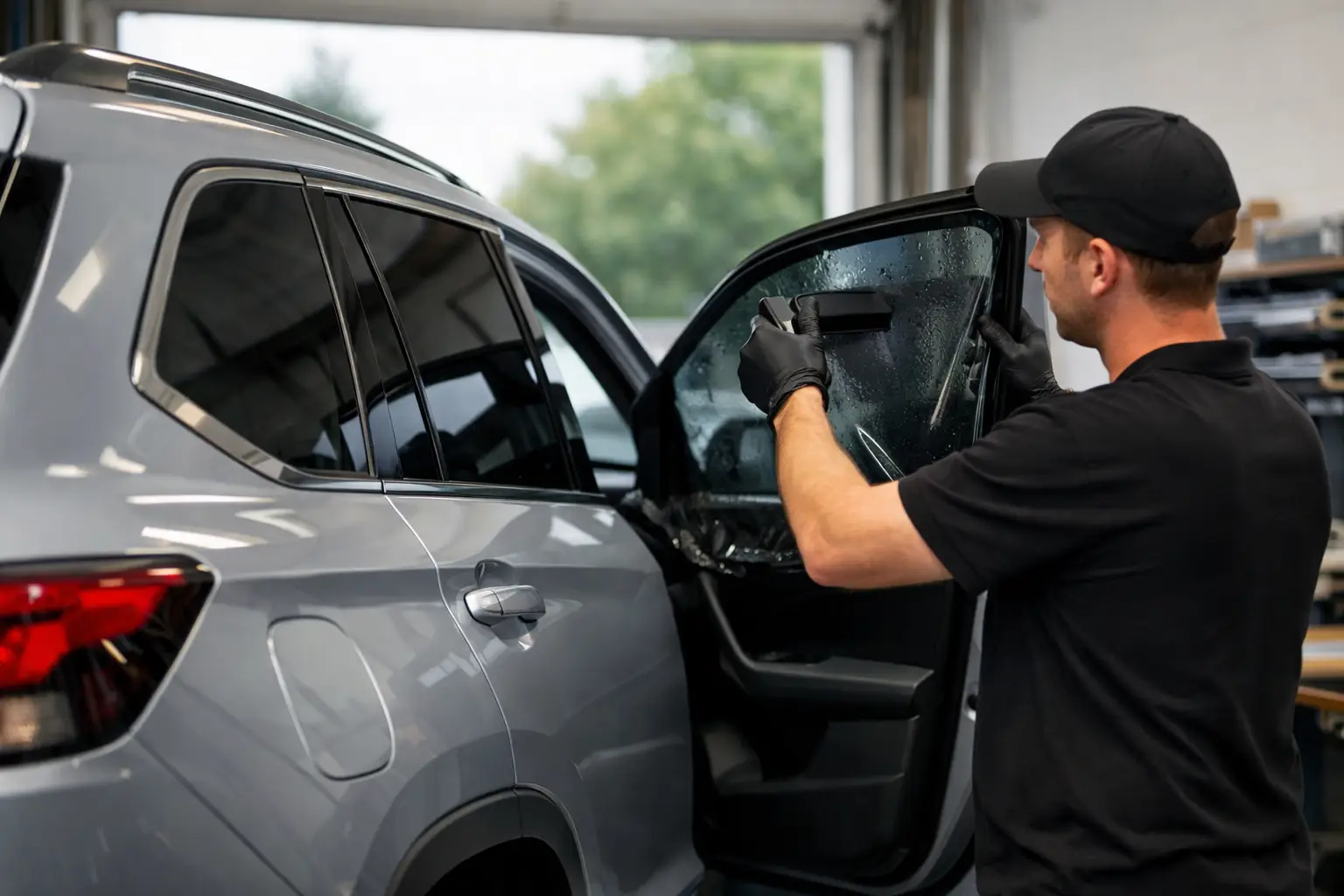
A window tint that looks perfect in the shop can become a daily frustration if it is too dark at night, too reflective for state rules, or poorly matched to your vehicle’s glass. The best choice is not simply the darkest shade you can get. Knowing how to choose legal window tint means balancing Michigan requirements with heat rejection, visibility, privacy, and the finish you want from your vehicle.
For drivers in Livonia and across Metro Detroit, that balance matters year-round. Summer sun can make a parked vehicle uncomfortable and hard on interior materials, while winter driving calls for clear sightlines in low light, rain, and snow. A quality tint installation should improve the ownership experience without creating avoidable legal or safety issues.
Start With Michigan Window Tint Rules
Window tint laws are state-specific, and Michigan approaches tint differently than many states. That is why advice from a friend in Ohio, a social media video, or a film chart from another state may not apply to your vehicle here.
Michigan generally permits a nonreflective tint strip across the top four inches of the windshield. Tint below that area can obstruct the driver’s view and is not an appropriate choice for a standard installation. Windshield protection and heat reduction are better handled with a clear, high-performance film when permitted, rather than a dark windshield film.
For front side windows, Michigan law focuses heavily on reflectivity. A window application on the front side glass must have total solar reflectance of 35% or less. Rear side windows and the rear window are typically less restricted, but clear rearward visibility and properly functioning mirrors still matter. Vehicle equipment rules can also affect unusual applications, so the smart move is to verify current requirements before choosing a film.
The key takeaway is simple: do not assume a tint percentage alone tells you whether a film is legal in Michigan. The location of the film and its reflectivity are both part of the decision.
Understand VLT, Reflectivity, and What the Numbers Mean
Most tint discussions center on VLT, or visible light transmission. This number describes how much visible light passes through the glass and film. A higher number is lighter. A lower number is darker.
A 70% film is very light and often chosen for a subtle factory-style appearance or added UV protection. A 50% film provides a modest shade while keeping nighttime visibility strong. A 35% film gives the vehicle a noticeably darker, more private look without going as dark as common 20% or 5% options.
However, a film’s labeled VLT is not always the final VLT of the installed window. Factory glass already blocks some light. When film is applied, the glass and film work together, creating a lower final reading than the film label may suggest. This matters whenever a tint meter is used to evaluate the finished window.
Reflectivity is different from darkness. A film can be relatively light while still having a reflective or metallic appearance. Michigan’s front-window reflectivity rule makes that distinction especially relevant. If you want a refined appearance and fewer compliance concerns, choose a low-reflective film for the front doors instead of chasing a mirror-like finish.
How to Choose Legal Window Tint for Your Driving Habits
The right legal tint setup depends on how, when, and where you drive. A vehicle used mainly for daytime commuting can support a different tint choice than a daily driver that spends long hours on unlit roads or is frequently driven in poor weather.
Choose visibility before privacy
Darker tint delivers more privacy, but it also reduces what you can see through the side and rear glass at night. This becomes noticeable when backing out of a driveway, checking cross traffic, parking in a dark garage, or driving during a Michigan snowstorm.
If your vehicle is a daily driver, moderate shades are often the better long-term decision. They provide a cleaner appearance and reduce glare without making nighttime driving feel restrictive. Drivers who regularly travel after dark should be especially cautious with very dark rear and side glass.
Match the shade to the vehicle
Vehicle color, interior color, and glass shape all affect how tint looks. A 35% film on a white SUV with a light interior can appear lighter than the same film on a black sedan with a dark interior. Large rear windows and panoramic glass can also make darker films feel more dramatic from inside the cabin.
This is why viewing real film samples against your vehicle matters. A professional installer can place sample shades on the glass so you can compare the exterior appearance and your view from inside before making a final choice.
Separate heat rejection from darkness
One of the most common mistakes is choosing dark tint because you want less heat. Darkness can reduce glare and visible light, but it is not the only factor that affects cabin comfort.
Premium ceramic window film can reject a significant amount of infrared heat and block UV exposure without requiring the darkest possible shade. That gives you more flexibility to select a lighter, more usable film while still improving comfort and helping protect leather, trim, dashboards, and other interior surfaces from sun damage.
For many owners, especially those with newer vehicles, luxury interiors, or long commutes, ceramic film is the practical upgrade. It supports a premium finish while delivering benefits you will notice every time the vehicle sits in the sun.
Avoid Common Legal Tint Mistakes
A tint installation should be measured in years of satisfaction, not just how the vehicle looks when it leaves the shop. These are the mistakes that often lead to regret:
- Choosing a shade based only on a photo, without considering your own nighttime visibility.
- Assuming a film percentage is the same as the final reading once it is installed over factory glass.
- Installing a highly reflective front-window film because it looks different from standard black tint.
- Covering too much of the windshield instead of keeping any permitted tint to the top portion of the glass.
- Treating a medical need as automatic approval for any tint setup rather than confirming the current documentation and legal requirements.
A professional consultation helps prevent these issues before film is applied. It also gives you a chance to compare film construction, color stability, heat performance, and warranty coverage rather than selecting based on price alone.
Choose Film Quality That Holds Up
Legal tint should still look premium years after installation. Low-quality dyed film may fade, turn purple, bubble, peel, or develop an uneven appearance. Those problems reduce visibility and can make an otherwise well-kept vehicle look neglected.
Look for a film designed for color stability, UV rejection, and long-term adhesion. Ceramic films are a strong option for drivers who want high heat performance without a highly reflective look. They are also compatible with many modern vehicles because they do not rely on metal layers that can potentially interfere with electronic signals.
Installation quality is equally important. Clean edges, careful trimming, proper curing, and a dust-controlled work area all influence the finished result. A premium film can still look poor if the installation is rushed or the glass is not properly prepared.
Ask the installer how the film will be selected for your vehicle, whether they can explain the legal considerations for the front glass, and what their warranty covers. You should also receive aftercare guidance so you know how long to wait before rolling down the windows and how to clean the film safely.
Consider Your Ownership Goals
Tint can be a smart addition whether you own, lease, or plan to sell your vehicle in the future. For leased vehicles, a conservative, professional tint choice can improve comfort and appearance without making the vehicle difficult to return to stock. For resale-minded owners, a clean, neutral shade often has broader appeal than an extremely dark or reflective installation.
For enthusiasts, tint is part of the overall build. It can complement paint protection film, ceramic coating, black trim, wheels, and a detailed finish by giving the glass a consistent, finished appearance. MYNT Customs helps owners choose films that support that complete look while keeping the focus on daily usability and lasting protection.
The best tint is the one you stop thinking about after installation because it works every day. Choose a legal, low-reflective setup that fits your visibility needs, invest in film quality over unnecessary darkness, and let your vehicle look sharper without compromising the drive home after sunset.