Best Winter Car Protection Options for Michigan
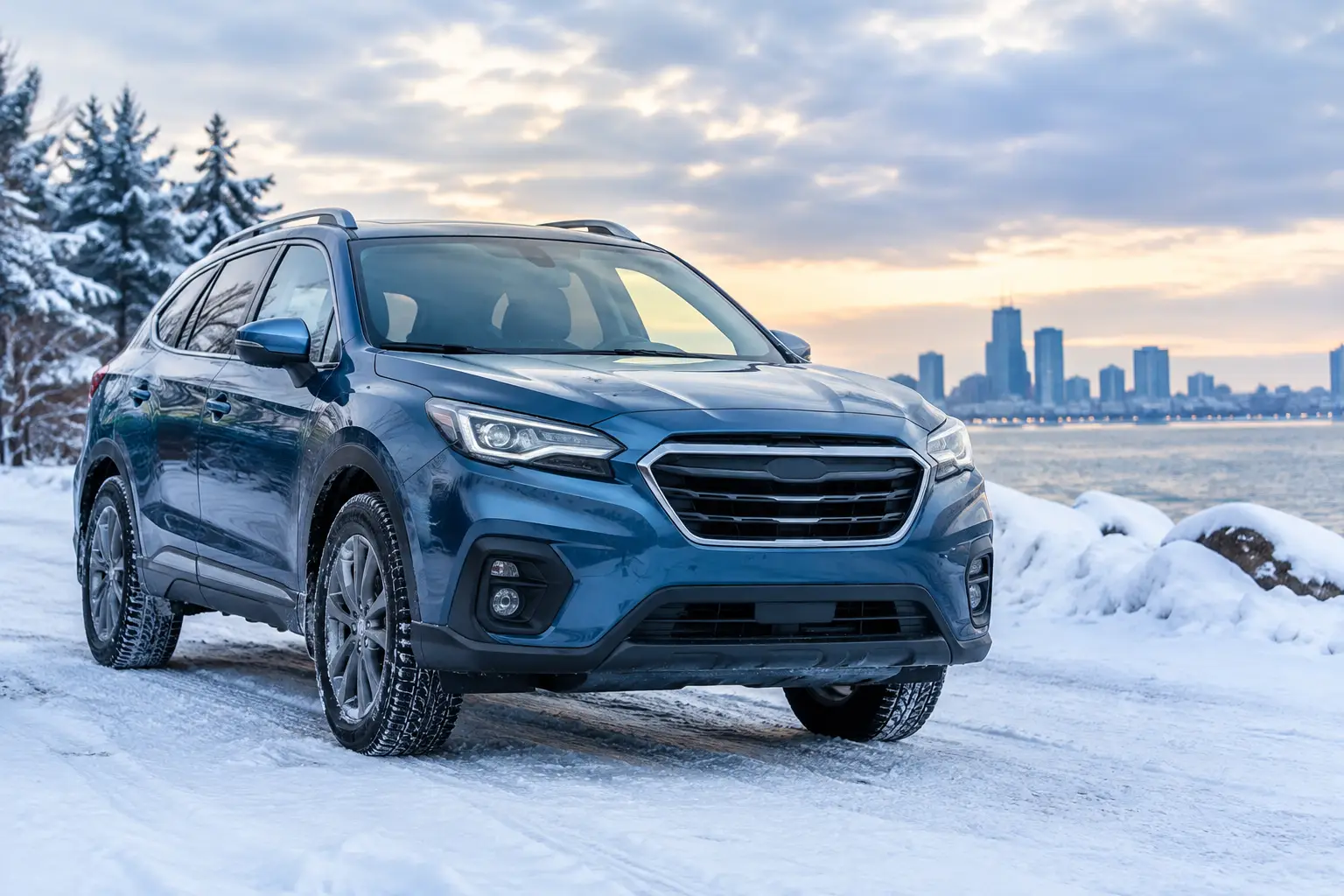
Metro Detroit winter driving is hard on a vehicle long before the first major snowfall. Salt brine sticks to paint, wheel barrels, trim, and underbody components. Sand and road debris chip vulnerable panels, while repeated freeze-thaw cycles leave dirt packed into seams that are easy to miss during a quick wash. The best winter car protection options are not all the same - the right combination depends on how you drive, where you park, and how much long-term protection you want.
For a daily-driven SUV, truck, or sedan, the goal is usually practical: preserve the finish, make washing easier, and prevent winter grime from becoming permanent damage. For a new luxury vehicle, lease return, or enthusiast car, it may mean protecting high-impact paint from chips while maintaining a polished appearance through spring.
Best Winter Car Protection Options for Real-World Driving
Winter protection works best as a system, not as a single product. Paint protection film, ceramic coating, professional detailing, and consistent maintenance each handle a different threat. Choosing one does not automatically replace the others.
Paint protection film for chip-prone areas
Paint protection film, often called PPF or clear bra, is the strongest option for defending painted surfaces against physical impact. It is especially valuable on front bumpers, hoods, fenders, mirror caps, rocker panels, lower doors, and behind the wheels. These are the areas that take the most abuse from gravel, sand, ice chunks, and road spray during a Michigan winter.
A quality PPF installation creates a durable sacrificial layer over the paint. It will not make a vehicle invincible, but it can significantly reduce the chips, scuffs, and abrasion that show up after a season of highway commuting. Many modern films also feature self-healing top coats that help light surface marks become less visible with warmth.
Full-front PPF is often the best value for drivers who spend time on I-96, I-275, M-14, or other high-speed roads. A targeted package can make more sense for a lease or a vehicle with a lower protection budget. The trade-off is straightforward: PPF costs more up front than a coating, but it offers impact resistance that coatings cannot provide.
Ceramic coating for salt, grime, and easier washing
Ceramic coating is a smart choice for owners who want a slick, glossy finish that is easier to maintain through the winter. A professionally applied coating bonds to exterior surfaces and creates a hydrophobic layer that helps water, mud, salt residue, and road film release more easily during washing.
That ease of cleaning matters in winter. Salt buildup becomes less likely to cling aggressively to coated paint, wheels, glass, and trim, which makes regular maintenance faster and more effective. Ceramic coatings also improve gloss and can help protect against UV exposure, oxidation, and chemical staining over time.
However, ceramic coating is not a substitute for PPF. It does not stop rock chips or prevent a sharp piece of debris from cutting the paint. Think of it as high-level surface protection and maintenance support, not armor. For many new vehicles, the strongest approach is PPF on high-impact areas followed by ceramic coating over the protected and unprotected exterior surfaces.
Professional detailing before winter sets in
Protective products perform better when they are applied to a clean, properly prepared surface. A professional detail removes embedded contamination, old road film, brake dust, and residue that can interfere with coating performance. If the paint has swirls, light scratches, or dullness, paint correction can improve the finish before it is protected.
This step is often overlooked because a new vehicle can look clean under showroom lighting. But even new cars may have dealership wash marks, transport contamination, or minor defects. Applying a coating over uncorrected paint locks in the look beneath it. When appearance matters, preparation is where the final result is won or lost.
A thorough winter-ready detail should also address wheel faces and barrels, door jambs, exterior trim, glass, and hard-to-reach lower panels. These areas collect moisture and grime quickly once roads are treated.
Wheel and tire protection
Wheels endure some of the harshest winter exposure. Brake dust, salt, slush, and dirty water build up fast, especially on intricate wheel designs. Protecting wheels with a durable coating or sealant makes them easier to clean and helps preserve the appearance of clear-coated, painted, or polished finishes.
This is also the right time to inspect tires. Winter tires are not a cosmetic protection service, but they protect the vehicle and its occupants where it counts most: traction, braking, and control in cold conditions. All-season tires can be sufficient for some drivers, but dedicated winter tires provide a noticeable advantage when temperatures consistently drop and roads become snowy or icy.
Avoid harsh acidic wheel cleaners and stiff brushes whenever possible. Aggressive cleaning habits can dull delicate finishes, damage wheel coatings, and create unnecessary wear on trim and brake components.
Glass protection and visibility upgrades
Visibility is a safety issue, but it also affects the driving experience every day. A glass treatment can help water bead and move off the windshield more efficiently, improving performance in rain and wet snow. It does not replace quality wiper blades, proper washer fluid, or defrosting, but it can make poor-weather driving less demanding.
Replace worn wipers before winter rather than waiting for them to smear salt film across the windshield. Use winter-rated washer fluid that will not freeze in the reservoir or on the glass. If a vehicle sits outside, clear snow with a soft snow brush and avoid scraping aggressively across dirty paint or glass.
What Winter Protection Cannot Do
The biggest mistake is expecting any product to eliminate maintenance. A ceramic-coated vehicle still needs washing. PPF still needs safe care. Even the best protection package cannot prevent corrosion if salt is allowed to sit on the underbody and in wheel wells for weeks.
Automatic car washes can be useful during winter, particularly touchless washes with underbody rinses. They are better than leaving salt on the vehicle, but frequent harsh detergents can reduce the performance of weaker protectants over time. For vehicles with premium coatings, film, matte finishes, or custom wheels, hand washing or a careful professional maintenance wash is the safer choice.
Be cautious with roadside brush washes. Their brushes can hold grit from prior vehicles, and that grit can leave fine scratches in paint, film, piano-black trim, and gloss wheel finishes. Convenience has value, but so does avoiding repeated contact with contaminated equipment.
A Practical Winter Care Schedule
Protection is most effective when it is paired with consistent habits. During active salt season, wash the vehicle every one to two weeks when conditions allow. If you drive daily on heavily treated roads, aim closer to weekly. Prioritize the lower body panels, wheel wells, wheels, rocker panels, and undercarriage.
After a long highway trip or a slushy commute, do not wait until the vehicle looks visibly dirty. Salt residue can be clear or dull white and still be working into seams and textured trim. A quick rinse of the lower half of the vehicle can make a meaningful difference.
Keep the interior in the plan, too. Rubber all-weather floor mats protect carpeting from wet boots, melted snow, and salty slush. Vacuuming and wiping down door sills regularly prevents grit from being ground into carpets and interior plastics. For vehicles being kept long term or prepared for future resale, these small details protect perceived value as much as exterior shine.
Choosing the Right Protection Package
The best option depends on the vehicle and ownership plan. A new luxury vehicle or performance car benefits from full-front PPF and ceramic coating because appearance and resale value are high priorities. A daily commuter may get excellent results from a paint enhancement, ceramic coating, wheel protection, and regular maintenance detailing. A leased vehicle may benefit most from targeted PPF on high-wear areas and interior protection that helps avoid end-of-lease charges.
At MYNT Customs, winter preparation is approached as vehicle-specific protection, not a one-size-fits-all package. The right recommendation should account for paint condition, driving habits, storage, finish type, and the level of care you want after installation.
Winter is unavoidable in Michigan, but preventable damage is not. Protect the areas that take the hardest hits, wash away salt before it settles in, and choose products based on what they actually do. Your vehicle will be easier to maintain now and far more rewarding to see when spring arrives.