Window Tint Film Review: What Matters Most
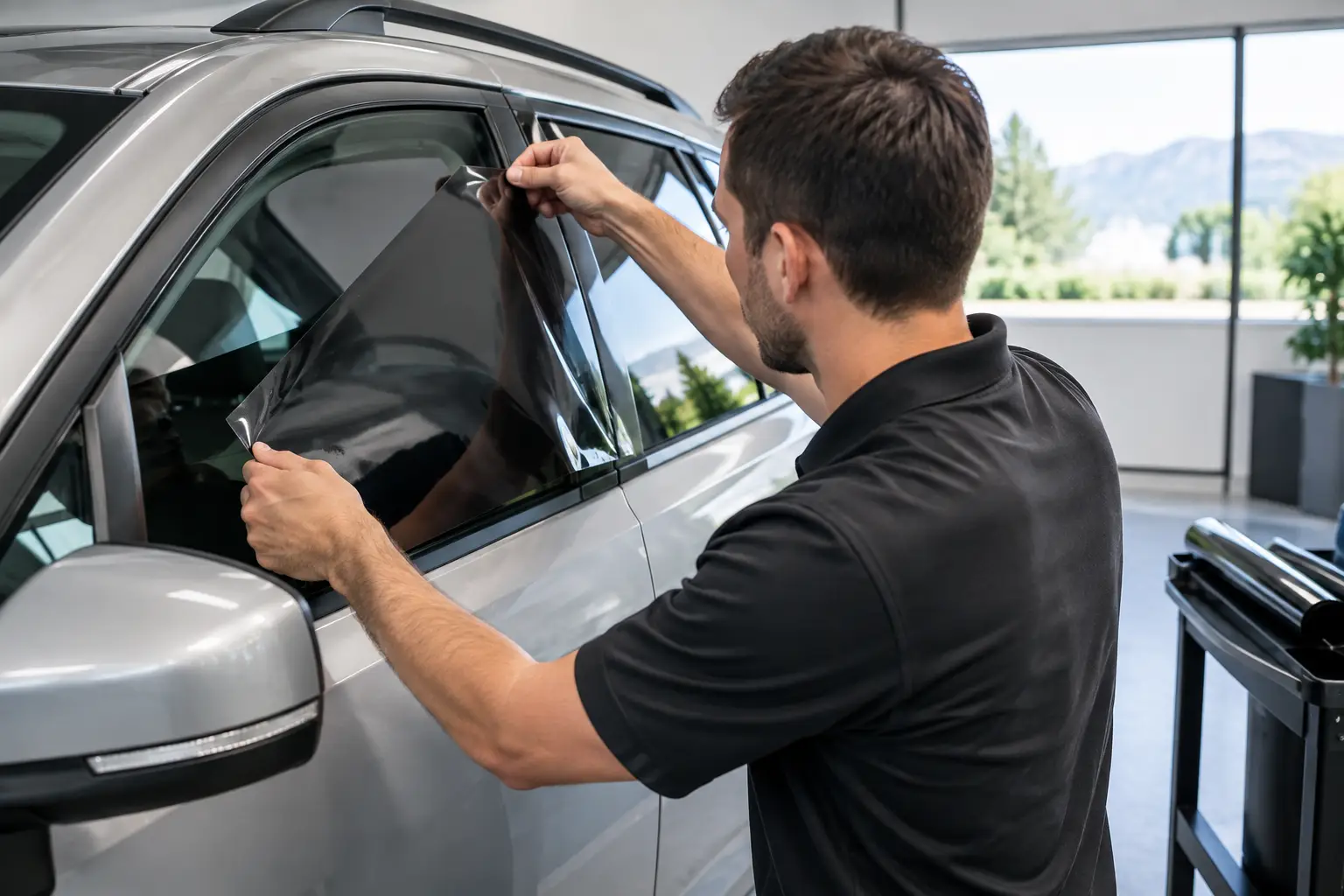
A good window tint film review should answer more than one question: how dark does it look? For Michigan drivers, the better question is how the film performs through bright summer sun, winter glare, daily commuting, and years of use. The right tint improves comfort and privacy while helping protect your interior. The wrong choice can look uneven, interfere with electronics, fade prematurely, or create legal issues.
Window Tint Film Review: Performance Beyond Darkness
Tint percentage gets most of the attention because it changes a vehicle's appearance immediately. Lower visible light transmission, or VLT, means a darker film. That matters for privacy and style, but darkness alone does not determine quality. A light ceramic film can reject more heat than a much darker basic dyed film.
When comparing window tint, start with the performance specifications that affect the ownership experience. Infrared heat rejection influences how much solar heat enters the cabin. UV protection helps reduce exposure for occupants and slows fading, cracking, and discoloration on interior surfaces. Glare reduction can make a meaningful difference on long drives, especially when sunlight reflects off wet pavement, snow, or the hood of the vehicle ahead.
High-quality film should also maintain a clean, neutral appearance. Some lower-cost films can develop a purple, brown, or hazy cast as they age. Premium films are engineered to remain more color-stable and optically clear, so the view out of the vehicle stays comfortable rather than dim or distorted.
The Main Types of Window Tint Film
Dyed film: entry-level appearance
Dyed tint is often chosen for its lower upfront cost and darker appearance. It can improve privacy and reduce some glare, making it a reasonable option for owners focused primarily on looks. However, its heat-rejection performance is generally limited compared with higher-tier products, and it is more likely to fade over time.
For a vehicle that spends most days outdoors or sees frequent highway driving, dyed film may not deliver the long-term value many owners expect. It can be a fit for a budget-minded installation, but it is not usually the strongest choice for maximum cabin comfort or durability.
Carbon film: better heat control without signal concerns
Carbon film offers a step up in appearance, heat rejection, and color stability. It has a richer finish than many basic dyed films and typically provides a more consistent dark tone. Because it does not rely on metal layers, it is generally less likely to affect phone, GPS, radio, or keyless-entry signals.
Carbon tint works well for drivers who want a noticeable visual upgrade and useful heat reduction without moving to the top price tier. The trade-off is that it usually cannot match the infrared rejection of a quality ceramic film.
Ceramic film: premium comfort and clarity
Ceramic tint is built for drivers who want strong heat rejection without needing extremely dark glass. Its non-metallic ceramic particles block a high level of infrared energy while preserving visibility and electronic signal performance. That can make a major difference in a dark interior, a vehicle with a large windshield, or a car parked outside during summer.
The initial investment is higher, but ceramic film is often the better value for new vehicles, luxury vehicles, performance cars, and daily drivers owners plan to keep. It supports a more comfortable cabin, protects interior materials, and gives the vehicle a refined finish without sacrificing outward visibility at night.
What to Look for in Tint Specifications
Marketing language can make every film sound exceptional. Ask for measurable performance information rather than choosing based only on a sample board or a claimed shade. Total solar energy rejection is useful because it reflects how much overall solar energy the film helps keep out. Infrared rejection adds context for heat comfort, while UV rejection addresses protection from harmful ultraviolet rays.
Be careful when comparing infrared numbers. One manufacturer may promote rejection at a narrow wavelength, while another reports performance across a wider range. Neither number tells the entire story by itself. Looking at the film's full specification sheet, shade, clarity, and warranty provides a more accurate comparison.
Visible light transmission is equally important. A dark film may look excellent in photos, but the right shade depends on the vehicle, the driver, and local regulations. A lighter ceramic film can deliver impressive heat reduction while keeping night driving more comfortable. That is often a smarter choice than going as dark as possible and regretting the reduced visibility later.
Installation Quality Is Part of the Product
Even premium film will not perform or look its best if the installation is rushed. Clean glass preparation, precise computer-cut patterns, careful edge work, and proper curing all influence the result. Small contaminants, lifted edges, trapped moisture, or inconsistent alignment become easier to notice over time.
Professional installation also matters around modern vehicle technology. Rear glass often has defroster lines, many vehicles use antennas integrated into the glass, and some models have sensors or cameras near the windshield. An experienced installer understands where film can be applied safely and how to avoid unnecessary risk.
Fresh tint needs time to cure. A slight water haze or small moisture pockets can be normal shortly after installation, especially during cooler weather. Windows should remain closed for the installer's recommended curing period, and the film should not be scrubbed or cleaned aggressively during that time. If a concern remains after curing, a reputable shop should inspect it and stand behind the work.
Legal Tint Levels Need a Practical Conversation
Michigan window tint rules should be part of the selection process, not an afterthought. Laws can distinguish between front side windows, rear side windows, rear glass, windshield strips, reflectivity, and medical exemptions. They can also change, and enforcement may vary by location.
A professional tint consultation should explain compliant options clearly and help you choose a film that fits your priorities. If privacy is the goal, rear-window coverage may provide the look you want while keeping front windows within applicable requirements. If heat reduction is the goal, high-performance ceramic film in a legal shade may offer more practical benefit than a darker, lower-grade product.
Is Ceramic Tint Worth the Added Cost?
For many Metro Detroit drivers, yes, especially when the vehicle is parked outside, has leather or dark interior trim, or is driven regularly through warmer months. Ceramic tint can reduce the intense heat buildup that makes a cabin uncomfortable after a short stop. It also helps reduce strain on the air conditioning system, although it should not be viewed as a replacement for proper climate control.
The value depends on the vehicle and your plans for it. A short-term lease may call for a sensible, compliant upgrade with a strong warranty. A new truck, luxury SUV, or enthusiast vehicle may justify the higher performance and long-term appearance of ceramic film. For resale-focused owners, clean, professionally installed tint can make a vehicle feel better cared for, provided the shade is appropriate and the film remains in excellent condition.
Choosing the Right Film for Your Vehicle
The best choice is rarely a one-size-fits-all answer. Consider how long you keep your vehicles, where they are parked, how much night driving you do, and whether heat comfort, privacy, appearance, or UV protection is the main priority. A dark coupe with limited rear visibility may need a different approach than a family SUV with a panoramic roof.
At MYNT Customs, the goal is not simply to make glass darker. It is to recommend a tint solution that improves the way your vehicle looks, feels, and holds up over time. Choose film based on proven performance, professional installation, and a shade you will still appreciate after the initial visual impact wears off.