Is PPF for Daily Drivers Worth the Cost?
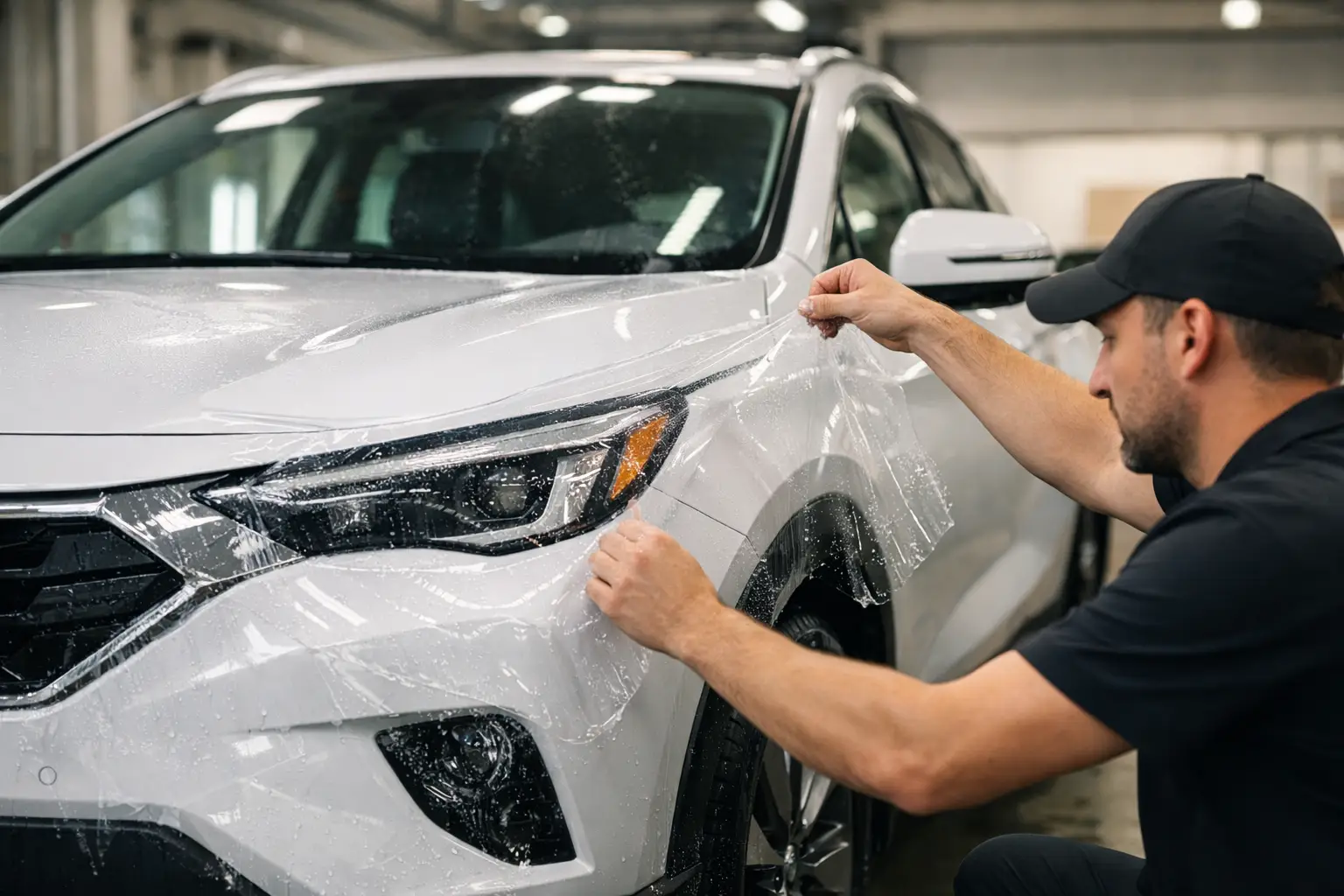
A daily driver does not get the easy life. It sees freeway gravel, construction zones, parking lots, winter salt, automatic car washes, and the occasional door opened too close. PPF for daily drivers is designed for exactly that kind of use: protecting the paint you see and the resale value you want to preserve.
Paint protection film is not reserved for exotic cars that spend most of their time in a garage. For many owners, it makes more sense on the vehicle that handles the morning commute, weekend errands, road trips, and Michigan weather. The question is not whether a daily driver will face paint damage. It is whether preventing that damage is worth the upfront investment for your vehicle and driving habits.
What PPF for Daily Drivers Actually Protects
Paint protection film is a clear, durable urethane film installed over painted surfaces. Its primary job is to absorb the impact of road debris before that impact reaches the factory paint. A quality film can help protect against rock chips, light scuffs, scratches, bug residue, road grime, and stains caused by everyday driving.
The highest-risk areas are usually the front bumper, hood, front fenders, side mirrors, rocker panels, and the area behind the wheels. These panels take a steady stream of debris from other vehicles, especially on highways and during winter. In Metro Detroit, salt, sand, pothole repairs, and loose aggregate can make that exposure even more noticeable over time.
Many premium films also feature a self-healing top coat. When exposed to heat from the sun or warm water, fine surface scratches can become less visible or disappear. That does not mean film is indestructible. A hard impact can still damage the film, but that is the point: the film takes the hit instead of the paint underneath.
Why Daily-Driven Vehicles Benefit Most
A vehicle driven a few times a month may avoid much of the abuse that causes paint chips. A daily driver does not have that luxury. Miles add up quickly, and small paint defects tend to appear first on the surfaces that face the road.
Once paint is chipped, moisture and contaminants can reach the exposed area. On metal panels, that can create conditions for corrosion if the damage is ignored. Even when a chip is small, touch-up paint rarely produces an invisible repair. Protecting the finish before damage occurs is often a cleaner solution than correcting it later.
PPF also helps the vehicle maintain a more consistent appearance. That matters if you enjoy seeing your vehicle clean and glossy, but it also matters when it is time to trade it in, return a lease, or sell it privately. A front end covered in chips can make an otherwise well-maintained vehicle look older than it is.
For leased vehicles, PPF can be particularly practical. Lease-end inspections may identify excessive exterior wear, and while film does not erase every responsibility, it can reduce the likelihood of paint damage from normal road use. For owners who plan to keep their vehicle long term, the benefit is different: they get to enjoy better-looking paint for more of the ownership experience.
Full Front Protection or Full Vehicle Coverage?
Not every daily driver needs full-body paint protection film. The right coverage depends on where you drive, how long you plan to own the vehicle, the paint color, and how particular you are about the finish.
A full-front package is often the best value for a daily-driven car, truck, or SUV. It typically covers the front bumper, full hood, full fenders, and side mirrors. Those are the areas most likely to receive rock chips at highway speed, making this package a strong fit for commuters and frequent road-trippers.
Adding rocker panels, lower doors, rear wheel impact areas, and the rear bumper loading area can make sense for SUVs, trucks, performance vehicles, and vehicles that see a lot of family use. Rocker panels get blasted by debris from the front tires, while rear bumper protection helps prevent scratches from luggage, strollers, sports equipment, and cargo.
Full-body PPF is the premium option. It is a good fit for high-value vehicles, dark paint colors that show every defect, or owners who want the most complete defense against daily wear. It is not automatically necessary for every vehicle. A professionally planned partial package can deliver excellent real-world protection without covering panels that face less risk.
The Trade-Offs: What PPF Will Not Do
PPF is one of the strongest paint-protection options available, but it should be chosen with realistic expectations. It will not prevent every form of damage. A deep key scratch, collision damage, or a sharp impact with enough force can cut through the film and affect the paint underneath.
It also does not replace routine washing. Dirt, road film, bird droppings, and bug splatter should still be removed promptly. Film makes cleaning easier and gives the paint a sacrificial layer, but proper maintenance remains part of protecting the vehicle.
Cost is the other consideration. Professional installation requires thorough prep, precise pattern work, clean installation conditions, and careful edge finishing. Cheaper installations can show lift lines, contamination, stretched material, or poorly wrapped edges. The value of PPF depends heavily on the quality of the film and the craftsmanship behind the installation.
There is also a timing factor. PPF works best when installed on paint in excellent condition. If a vehicle already has chips, scratches, or staining, paint correction and touch-up work may be needed first. Installing clear film over existing defects will not make them disappear.
PPF vs. Ceramic Coating for a Daily Driver
PPF and ceramic coating are often compared, but they solve different problems. Paint protection film provides physical impact resistance. Ceramic coating improves gloss, water behavior, and ease of cleaning, but it is not designed to stop rock chips.
For a daily driver that regularly travels on highways, PPF should be the priority on high-impact areas. A ceramic coating can then be applied over the film and remaining painted surfaces for a more polished finish and simpler maintenance. This combination gives the vehicle both physical protection where it needs it most and better resistance to environmental contamination across the exterior.
If the budget requires choosing one service, think about the risk you want to address first. Owners primarily concerned with chips, sandblasting, and road debris should lean toward PPF. Owners focused on gloss and wash maintenance, with lower highway exposure, may find ceramic coating a better starting point.
How Long Does PPF Last on a Vehicle Used Every Day?
Quality paint protection film can last for years when properly installed and maintained. Its lifespan depends on the film brand, exposure to sun and weather, storage conditions, wash habits, and how often the vehicle is driven. Daily use does not make PPF a poor choice - it gives the film a purpose.
To get the most from it, wash the vehicle regularly with paint-safe methods, avoid aggressively picking at film edges, and remove harsh contaminants as soon as practical. If a section of film takes a major hit, that individual section can often be replaced without repainting the entire panel.
A professional installer should also explain the coverage boundaries, care recommendations, and warranty details before work begins. Clear communication matters because every vehicle, paint condition, and ownership goal is different.
Is It Worth It for Your Vehicle?
PPF makes the most sense when your daily driver is newer, valuable to you, exposed to highway miles, or likely to stay in your driveway for several years. It is especially worthwhile if you have already experienced the frustration of watching a clean front bumper collect chips after one winter or one long road trip.
At MYNT Customs, coverage can be planned around the areas your vehicle actually exposes to damage rather than forcing every owner into the same package. A full-front installation may be the right move for one commuter, while rockers and cargo-area protection may bring more value to another.
The best time to protect paint is before the first chip gives you a reason to. Start with the panels that take the abuse, choose coverage that fits how you drive, and let your daily driver look like something you still take pride in parking.