Metro Detroit Vehicle Protection That Pays Off
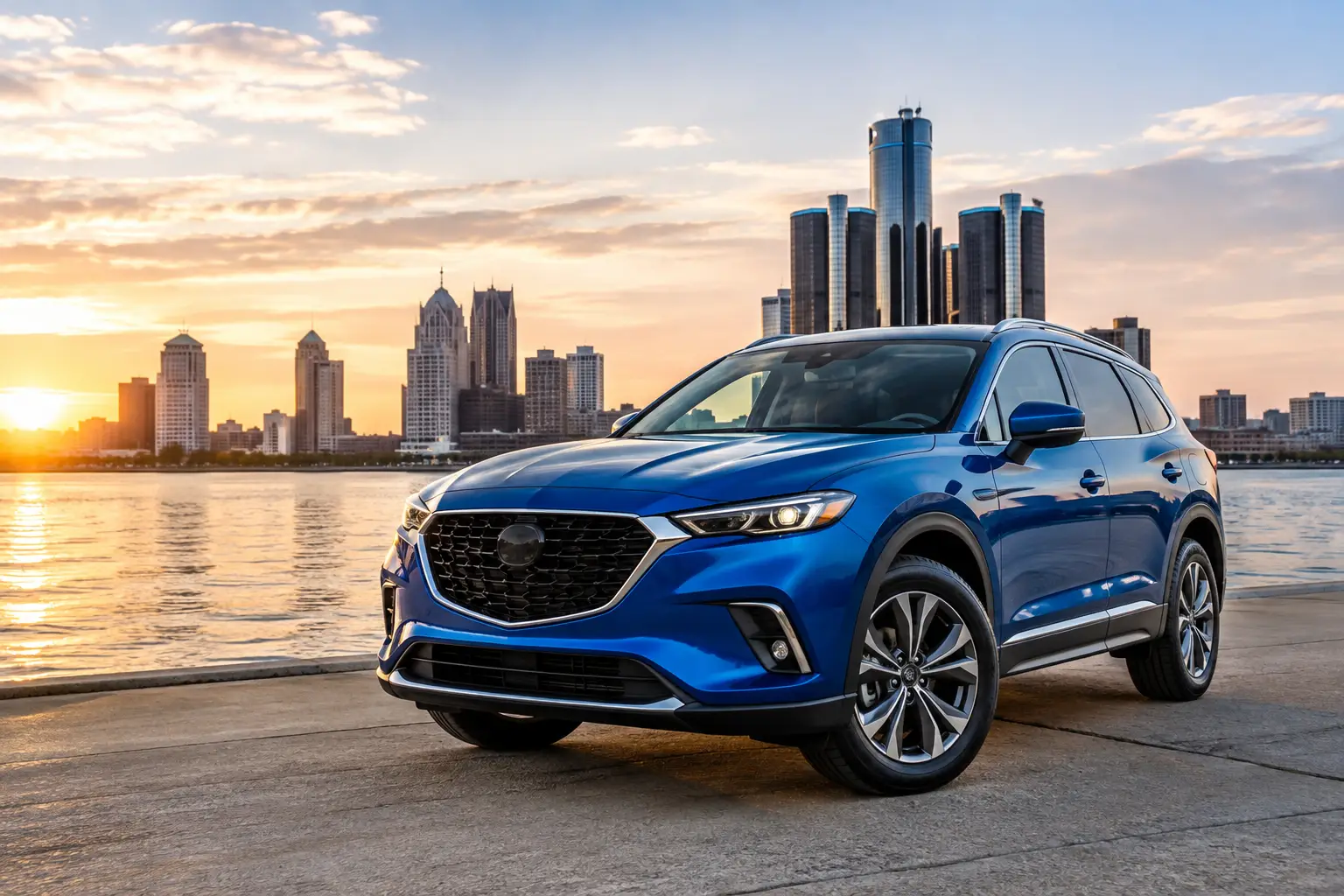
A Metro Detroit commute can be hard on a vehicle long before the odometer tells the story. Winter salt, loose road debris, construction dust, intense summer sun, parking-lot door dings, and automatic car washes all leave their mark. The right protection plan keeps that daily wear from becoming permanent damage - while helping your vehicle look sharper and retain more value over time.
For most owners, the best approach is not one service applied everywhere. It is a smart combination of paint protection film, ceramic coating, window tint, paint correction, and professional detailing based on how and where the vehicle is driven.
Why Metro Detroit Vehicle Protection Matters
Michigan roads put exterior surfaces through a demanding cycle. Salt and brine can cling to lower panels, wheel wells, and rocker areas through winter. In warmer months, gravel, insects, tree sap, pollen, and UV exposure create a different set of challenges. A vehicle parked outside in Livonia, commuting through Detroit, or spending weekends on I-96 faces more than ordinary dust.
Factory clear coat is durable, but it is not invincible. It can develop swirl marks, staining, oxidation, chips, and etched spots over time. Protection does not make a vehicle indestructible, and no professional installer should claim otherwise. What it does is add a practical defense layer that reduces the impact of routine exposure and makes proper maintenance easier.
That matters whether you drive a new luxury SUV, a leased sedan, a performance car, or a well-kept daily driver. Clean, well-preserved paint changes how a vehicle presents today and how it is evaluated when it is time to sell, trade, or return a lease.
Start With the Condition of the Paint
Protection works best when the surface beneath it is in good shape. New vehicles can arrive with dealership wash marks, transport contamination, adhesive residue, or light scratches. Older vehicles may have deeper swirl marks, water spots, oxidation, and neglected areas around door handles and trunk openings.
Paint correction addresses those visible defects before a coating or film is installed. This process uses controlled machine polishing to refine the clear coat and restore clarity, gloss, and depth. The goal is not to remove more paint than necessary. It is to improve the finish responsibly, based on the vehicle's paint condition and the level of correction that makes sense for its age and value.
A ceramic coating applied over swirls will protect a glossy but imperfect surface. Paint protection film installed over defects may hide some minor marks, but it will not correct every issue underneath. Preparing the paint first creates a cleaner foundation and a better final result.
Choose Protection Based on Real Driving Risks
Paint protection film for impact-prone areas
Paint protection film, often called PPF or clear bra, is the strongest choice for defending against rock chips, road debris, and light abrasion. It is especially effective on high-impact sections such as the front bumper, hood, front fenders, mirror caps, rocker panels, door edges, and behind the wheels.
For a highway commuter, a full front-end package often delivers the best balance of coverage and value. Owners of lower-sitting performance vehicles or vehicles that see frequent expressway miles may benefit from expanded coverage, including full hood and fenders, rocker panels, or a full vehicle wrap.
PPF is not a substitute for careful driving or regular washing. Severe impacts can still damage the film and paint beneath it. Still, quality film gives those exposed panels a sacrificial layer that can be replaced if needed, rather than requiring repainting for every chip.
Ceramic coating for gloss and easier maintenance
Ceramic coating creates a durable, chemically resistant layer that bonds to the vehicle's exterior surfaces. It improves gloss, adds hydrophobic behavior, and helps dirt, rain, and road grime release more easily during washing. Applied to paint, trim, wheels, glass, and other approved surfaces, it can significantly improve the ownership experience.
The biggest benefit is not that a coated vehicle never gets dirty. It will. The difference is that it is easier to clean correctly and less likely to hold onto contaminants when maintained properly. A ceramic coating also helps protect against UV exposure, oxidation, and staining from common environmental fallout.
Coating is often the right choice for owners who want a deep, polished appearance across the entire vehicle without covering every panel in film. It pairs especially well with PPF: film handles the physical impact zones, while coating enhances gloss and simplifies maintenance across protected and unprotected surfaces.
Window tint for comfort, privacy, and interior protection
Professional window tint is more than an appearance upgrade. Quality film helps reduce glare and heat buildup, making daily driving more comfortable during bright Michigan summers. It also limits UV exposure that can fade upholstery, dry out interior materials, and make a cabin feel harsh over time.
The right tint level depends on personal preference, visibility needs, and Michigan tint regulations. A professional shop can help vehicle owners choose a legal, practical option that complements the vehicle without compromising visibility. Premium ceramic tint is often worth considering for drivers focused on heat rejection, especially on dark interiors or vehicles that spend long hours outdoors.
Detailing Is the Maintenance Behind the Protection
A protected vehicle still needs professional care. Road salt should not sit on paint, wheels, brake components, or underbody areas for extended periods. Bird droppings, bug splatter, tree sap, and fuel residue should be removed promptly because they can stain or etch surfaces if ignored.
Routine detailing keeps the vehicle presentable and allows a trained eye to catch concerns early. Proper wash methods matter. Aggressive brushes and dirty wash mitts can introduce swirls even on coated vehicles. Harsh chemicals can reduce the performance of protective products and dull sensitive trim.
For daily drivers, the practical goal is consistency rather than perfection. A well-timed maintenance detail after winter, periodic decontamination, and careful washing throughout the year can keep a vehicle looking substantially better than one treated only when it becomes visibly dirty.
A Smart Protection Plan for Different Owners
There is no single package that fits every vehicle. A new leased vehicle may need front-end PPF, ceramic tint, and a ceramic coating to help preserve its finish through the lease term. A luxury SUV that carries a family through all four seasons may benefit from PPF on impact zones, coating on paint and wheels, and recurring maintenance detailing.
For a vehicle being prepared for resale, paint correction and comprehensive detailing may create the most immediate visual improvement. Adding long-term protection at that stage depends on how soon the vehicle will be listed and whether the owner plans to enjoy it first.
Enthusiast vehicles often justify more extensive coverage because the owner is preserving a premium finish, a special color, or a carefully maintained build. In contrast, an older work vehicle may benefit most from targeted correction, interior detailing, and protective treatments that improve usability without overspending on coverage that does not match its role.
The key is to match the investment to the vehicle's condition, ownership timeline, exposure, and your standards for appearance. High-end protection should feel purposeful, not like an upsell.
What Quality Installation Looks Like
The product matters, but preparation and installation matter just as much. PPF edges should be thoughtfully positioned, panels should be properly cleaned and decontaminated, and film should be installed without avoidable contamination or unnecessary visible seams. Ceramic coatings require controlled prep and correct curing conditions to perform as intended.
Before selecting a service, ask how the paint will be evaluated, which surfaces are included, what maintenance is recommended, and what realistic results to expect. Clear answers are a sign of a shop that treats protection as a long-term service, not a quick add-on.
At MYNT Customs, the focus is on building that protection around how each vehicle is actually used. A daily commuter needs a different solution than a garage-kept weekend car, and both deserve careful preparation and consistent workmanship.
Your vehicle does not need to be brand-new to be worth protecting. Start with the areas that take the most abuse, correct the defects that bother you most, and choose care that makes every mile easier to enjoy.