Factory Tint Versus Window Film: What Changes?
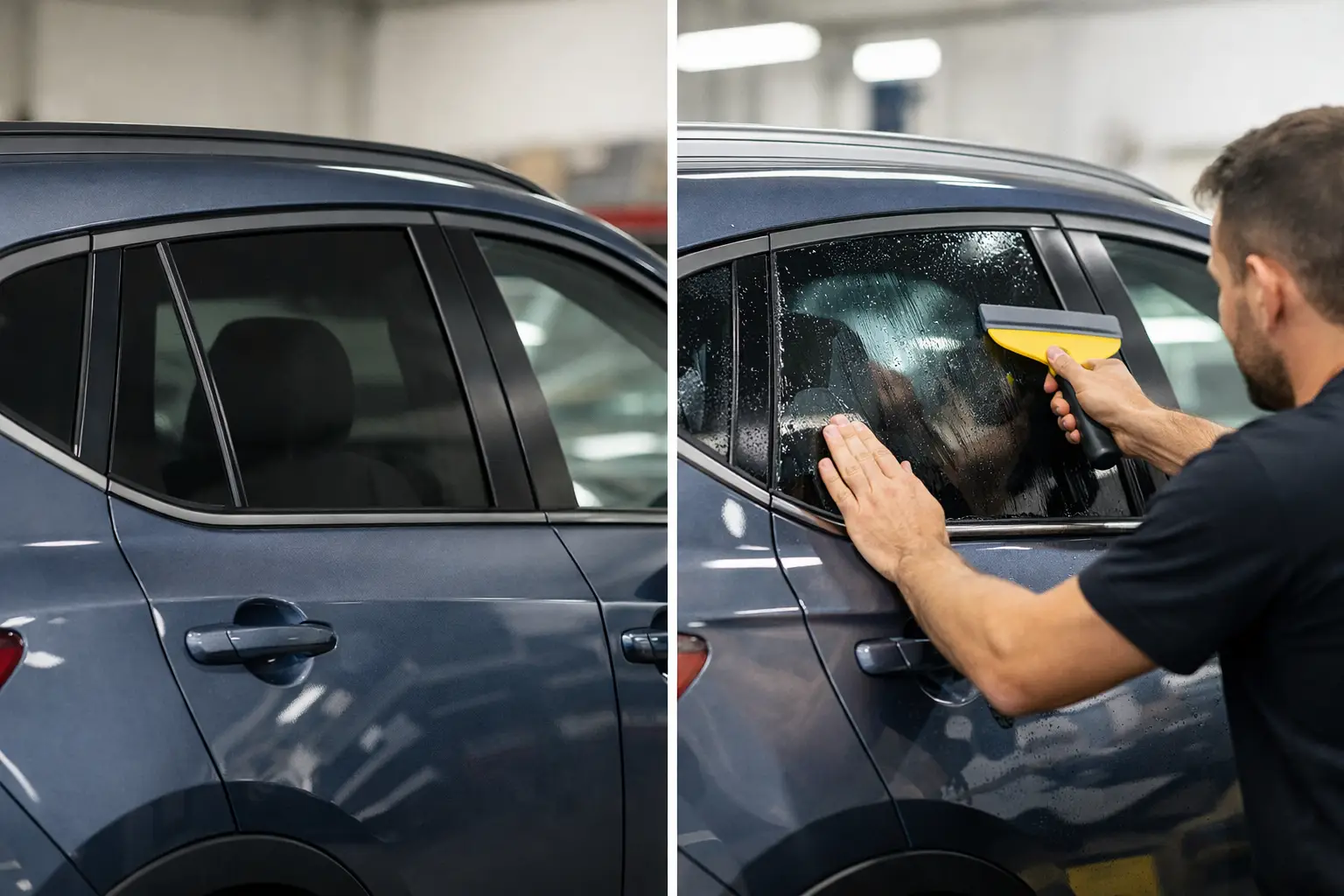
A vehicle can look dark from the outside and still leave you feeling every bit of summer heat inside. That is the point many owners miss when comparing factory tint versus window film. The two can look similar at a glance, but they are made differently, perform differently, and solve different problems.
For drivers around Livonia and Metro Detroit, the right choice often comes down to more than appearance. It can affect cabin comfort during humid summers, visibility at night, UV exposure, privacy, and how polished the vehicle looks for years to come.
What People Mean by Factory Tint
In most cases, factory tint is not actually window film. It is privacy glass, commonly installed on the rear doors, rear windshield, and cargo-area glass of SUVs, trucks, vans, and some crossovers. The darker appearance is built into the glass itself during manufacturing.
Privacy glass gives rear passengers and stored items a degree of visual privacy. It also creates the darker rear-window look many buyers expect on an SUV or truck. Because the color is inside the glass, it will not peel, bubble, or develop adhesive failure like a poorly installed film can.
That durability is a real advantage. However, factory privacy glass is often misunderstood as a complete heat-rejection or UV-protection solution. Its main purpose is usually appearance and privacy. Depending on the vehicle and glass specification, it may offer some solar control, but it generally does not deliver the same measurable infrared heat rejection or full UV filtering that a quality aftermarket window film can provide.
Some vehicles also use OEM solar-control glass, which is different from basic privacy glass. This glass may have additional UV or heat-reducing properties from the factory. Even then, performance varies by make, model, year, and window location. A professional evaluation is the best way to determine what your vehicle already has.
How Window Film Changes the Equation
Window film is a thin, professionally applied layer installed on the interior side of the glass. It can be clear, lightly shaded, or dark, depending on the product and the look you want. More importantly, modern films are available in different performance levels.
Dyed film is primarily an appearance and privacy option. Carbon film offers a cleaner, more stable finish with stronger heat-control benefits. Ceramic film is often the premium choice for drivers who want high heat rejection, UV protection, and clearer connectivity without relying on an extremely dark shade.
The distinction matters because darkness is not the same thing as performance. A very dark basic film may provide privacy, yet a lighter ceramic film can reject substantially more heat and block a higher percentage of infrared energy. For a daily driver, that can mean less strain on the air conditioning system, a more comfortable cabin, and reduced sun exposure on long commutes.
Quality window film can also block up to 99% of UV rays, depending on the product. That helps protect occupants while reducing the fading and drying effects sunlight can have on leather, vinyl, trim, and interior surfaces over time.
Factory Tint Versus Window Film for Heat and Comfort
Heat control is where factory tint versus window film becomes most relevant. Factory privacy glass can make the rear section of a vehicle look darker, but it does not automatically stop the heat that makes a parked car uncomfortable. Sunlight carries visible light, UV energy, and infrared heat. A dark appearance alone does not tell you how effectively the glass manages all three.
High-quality ceramic film is engineered to address solar heat without forcing every window into a nearly black appearance. This is especially useful for owners who want a refined, factory-like look while improving comfort. A lighter shade can maintain better nighttime visibility while still delivering meaningful heat rejection.
For example, a driver with factory-dark rear glass may add a light ceramic film to the front doors for a balanced look and improved comfort. Another owner may apply ceramic film over the rear privacy glass as well, creating stronger heat and UV protection throughout the cabin. The right setup depends on the vehicle, how it is used, and the legal tint limits for the area.
Can You Put Film Over Factory Privacy Glass?
Yes. Film can be installed over factory privacy glass, and it is often the best way to improve the performance of rear windows. The factory glass provides the built-in dark appearance, while the film adds solar control, UV protection, and, if desired, a darker finished look.
There is one detail that requires careful planning: visible light transmission, often called VLT. When film is added to factory privacy glass, the final result is darker than either component alone. A film rated at a particular VLT percentage does not translate directly to that same final percentage once it is applied over already-dark glass.
This is why a professional installer should measure the existing glass before recommending a film. Choosing a film solely by the number printed on a sample can leave the rear windows darker than expected, affect nighttime visibility, or create a result that does not fit your intended look.
Appearance: Matching the Whole Vehicle
Factory privacy glass often creates an uneven appearance because the rear windows are dark while the front doors remain clear. Adding film to the front side windows can make the vehicle look more cohesive and intentional.
The best installations do not look added on. They complement the vehicle's lines, paint color, interior, and trim. A subtle shade can sharpen the look of a luxury sedan. A ceramic film package can give a performance vehicle a cleaner profile while helping manage cabin heat. On trucks and SUVs, matching the front doors to the rear glass is one of the most common appearance upgrades.
A professional installation also matters at the edges. Clean patterns, proper preparation, and careful finishing help the film sit naturally against the glass. This is the difference between a tint job that looks temporary and one that feels appropriate for the vehicle.
Visibility and Safety Trade-Offs
Darker is not always better. Deep tint can improve privacy and reduce glare, but it can also make it harder to see pedestrians, cyclists, curbs, and side traffic after dark or in poor weather. This is particularly relevant during Michigan winters, when early sunsets, rain, snow, and dirty road conditions already reduce visibility.
Drivers who frequently travel at night may benefit more from a high-performance ceramic film in a moderate or lighter shade. They can gain heat rejection and UV protection without sacrificing as much outward visibility. Drivers focused on rear-seat privacy may prioritize darker rear glass, especially on an SUV, while keeping the front side windows within a practical range.
Windshield film deserves extra caution. Windshields play a major role in clear sightlines, camera systems, and safe driving. Only use windshield products designed for that application, and verify current state and local regulations before making a decision.
Legal Tint Limits Matter
Window tint laws can regulate which windows may be tinted, how dark the film can be, and whether reflective materials are permitted. Rules can also differ based on vehicle type and medical exemptions. A setup that looks good online may not be appropriate or legal for your vehicle in Michigan.
Rather than treating tint percentage as a style-only decision, consider it part of the overall installation plan. A knowledgeable shop can discuss the existing VLT of your factory glass, your preferred level of privacy, your driving habits, and the applicable requirements before film is installed.
Which Option Is Right for Your Vehicle?
Factory privacy glass is a durable starting point for rear-window privacy, but it is not a substitute for performance film when heat rejection and UV protection are priorities. Window film gives you more control over comfort, appearance, and protection, especially when the product is selected for your specific vehicle rather than simply chosen for the darkest possible finish.
For a leased vehicle, film can improve daily comfort and appearance without altering the glass itself. For a new vehicle owner, it can help protect a fresh interior from sun exposure from day one. For a vehicle being prepared for resale, a clean, professionally tinted look can make the cabin feel more upscale and well cared for.
The strongest result usually comes from treating each window as part of one plan. Start with what your factory glass already provides, then choose film based on the benefits you will actually notice behind the wheel. A well-matched installation should look right in the driveway, feel better on the road, and continue earning its place every time the sun is out.