A Detailing Results Review of Quality Work
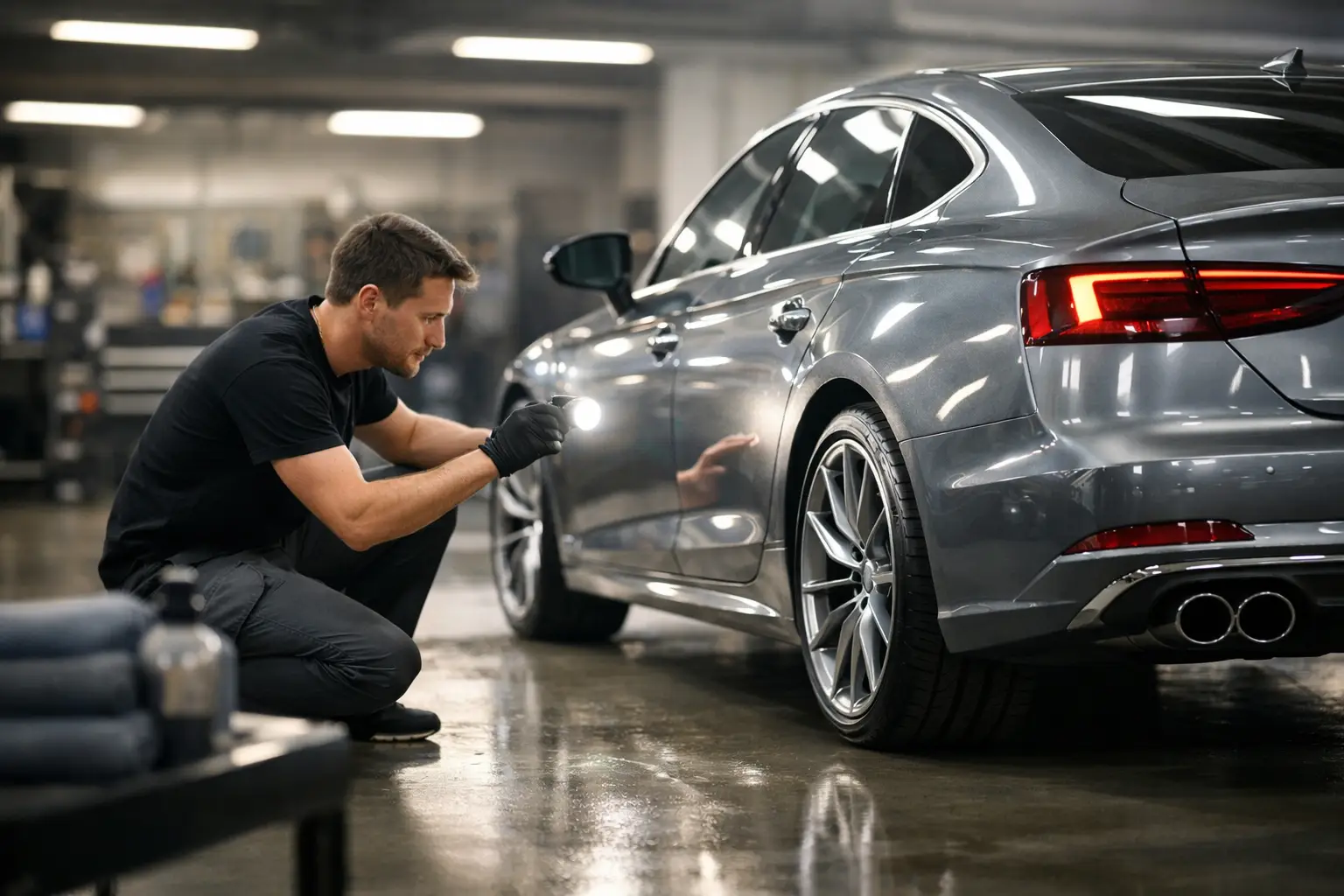
A strong detailing results review should look beyond a dramatic before-and-after photo. Real quality is visible in the paint, glass, wheels, trim, interior, and the details most people miss at first glance. More importantly, it holds up after the vehicle leaves the shop and returns to Metro Detroit roads, weather, parking lots, and everyday use.
Professional detailing can make a daily driver feel new again, sharpen the appearance of a luxury vehicle, and prepare a car for resale or lease return. But the right service depends on the vehicle’s condition and the outcome you expect. Detailing improves and preserves. It does not make every scratch, chip, stain, or defect disappear.
What a Quality Detailing Results Review Should Measure
The best way to evaluate detailing is to separate visual impact from correction and protection. A vehicle may look clean immediately after any wash, but premium detailing should deliver a more complete result: a cleaner surface, better gloss, improved clarity, and finishes that are properly protected rather than temporarily covered up.
Start with the paint. Under direct lighting, quality work should reveal a clean, even finish with fewer visible swirl marks, light scratches, water spots, and haze. The goal is not artificial shine from oily dressings or fillers. It is paint clarity. When the surface reflects light cleanly, the color looks deeper and body lines look more defined.
Next, inspect the areas that often expose rushed work. Door jambs, lower rocker panels, wheel barrels, brake calipers, window edges, mirrors, fuel doors, badges, and exhaust tips should be addressed when they are part of the selected service. On the interior, look at seams, cup holders, vents, pedals, seat tracks, and touch points. A clean dashboard alone is not a complete interior detail.
A good review also considers consistency. Tires should have an even, clean finish, not excess dressing that can sling onto paint. Glass should be clear and streak-free from multiple angles. Trim should look restored and natural, not greasy. These details are what make a vehicle look professionally finished instead of quickly cleaned.
Detailing Results: What Can Actually Be Corrected?
Paint correction is where expectations matter most. Machine polishing can significantly reduce or remove swirls, wash marring, light oxidation, and many surface-level defects. On neglected paint, the change can be substantial. Dark colors, especially black, often show the difference most clearly because they reveal every flaw under sunlight or shop lighting.
Still, not every defect is safe or possible to remove. Deep scratches that catch a fingernail may extend through the clear coat. Rock chips, peeling clear coat, etched spots, cracked paint, and previous bodywork typically require touch-up, refinishing, or repair rather than polishing. An honest detailing results review explains this before work begins instead of promising a perfect finish that the paint cannot safely support.
Correction also involves a trade-off. More aggressive polishing can remove more defects, but it removes a small amount of clear coat in the process. On a newer vehicle with light imperfections, a one-step polish may create a major visual improvement while preserving more paint thickness. On an enthusiast-owned vehicle being prepared for a show or special event, a multi-step correction may be the better fit. The proper choice depends on the paint condition, vehicle age, prior correction history, and ownership goals.
Protection Is Part of the Result, Not an Add-On
A refined finish needs protection if you want the result to last. Without it, clean paint can quickly collect contamination, water spotting, road film, and new wash-induced marring. The right protection package makes maintenance easier and helps preserve the time and investment put into correction.
Ceramic coating is designed for vehicle owners who want durable chemical resistance, enhanced gloss, easier cleaning, and strong water behavior. It can help reduce the bond of dirt and grime to painted surfaces, but it is not a force field. It will not prevent rock chips, eliminate the need for washing, or make improper washing harmless. Routine maintenance still matters.
Paint protection film serves a different purpose. PPF is the practical choice for vulnerable impact areas such as bumpers, hoods, fenders, mirrors, rocker panels, and door edges. It helps defend against road debris, light abrasions, and the wear that builds up on vehicles driven through construction zones, highways, and winter conditions. For many new vehicles, combining front-end PPF with a ceramic coating offers both impact protection and easier upkeep.
Window tint also contributes to a finished result, particularly for drivers who want improved comfort, glare reduction, privacy, and UV protection. As with any appearance service, the outcome depends on product selection, legal tint limits, installation quality, and the driver’s priorities.
How Long Should Professional Detailing Results Last?
The answer depends on what was performed. A deep interior and exterior detail can transform a vehicle immediately, but daily use starts affecting it as soon as it is driven. Paint correction remains visible until new defects are introduced. A ceramic coating can provide long-term benefits when maintained correctly. Paint protection film continues working against impacts as long as it remains in good condition and is cared for properly.
The owner’s habits matter as much as the service itself. Automatic brush washes can quickly introduce swirl marks. Harsh chemicals may reduce the performance of protective products. Letting bird droppings, tree sap, salt, or bug residue sit on the paint can create staining or etching. A protected vehicle is easier to maintain, but it still needs timely care.
For best results, wash with quality products and clean towels, avoid abrasive brushes, and remove contaminants promptly. Vehicles driven frequently through Livonia, Detroit, and surrounding Metro Detroit communities benefit from seasonal maintenance, especially after winter road salt and before harsh summer sun become factors.
The Best Test Is a Follow-Up Inspection
Do not judge a detail only in the delivery bay. Look at the vehicle in natural daylight, under garage lighting, and after the first proper wash. Quality results should remain balanced across the entire vehicle. The paint should still look clear, trim should not fade back immediately, and protective surfaces should be easier to clean than they were before.
Ask direct questions about what was corrected, what was protected, and what defects remain. A professional shop should be comfortable explaining the work performed, the condition of the vehicle before service, and the maintenance needed afterward. Clear expectations are a sign of quality, not a sales obstacle.
Choosing the Right Service for Your Vehicle
There is no single detailing package that fits every vehicle. A leased daily driver may need a focused interior reconditioning and exterior refresh before turn-in. A new SUV may benefit most from paint protection film in high-impact zones and ceramic coating on the remaining painted surfaces. A performance car with years of tunnel-wash swirls may need paint correction before any coating is applied.
At MYNT Customs, the goal is to match the service to the vehicle and how you use it, rather than pushing protection that does not fit your needs. That approach helps owners make smart decisions about appearance, maintenance, and resale value.
The most satisfying detailing result is not just a vehicle that looks exceptional on pickup day. It is a finish that makes you want to take care of it, because every wash, drive, and walk back to the parking spot reminds you why the work was worth doing.