Car Interior Sanitizing for a Healthier Ride
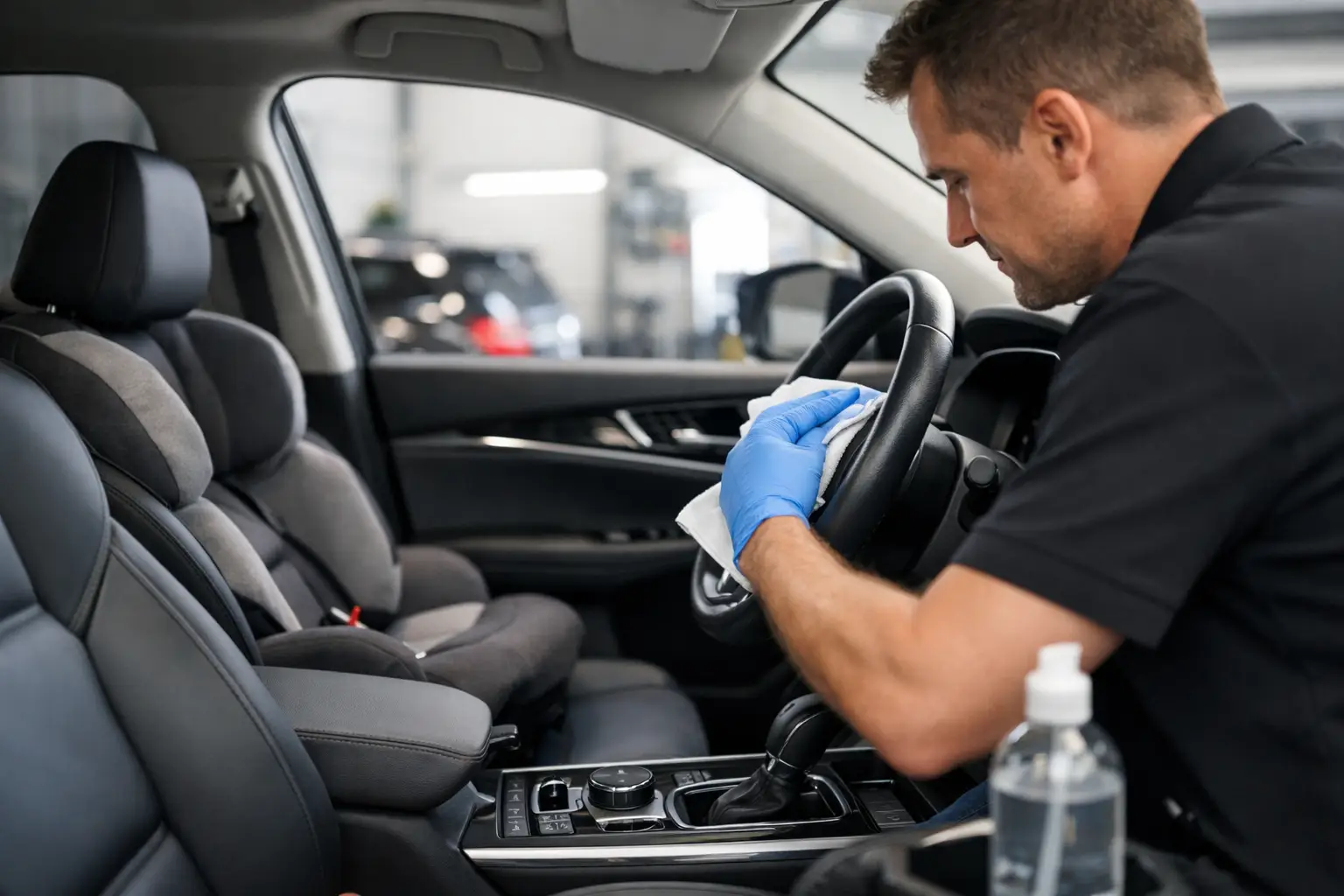
Your steering wheel may look clean after a quick wipe, but it is one of the most frequently touched surfaces in your vehicle. Add cup holders, seat belts, door pulls, touchscreens, and the gear selector, and the cabin becomes a collection point for the residue of daily driving. Car interior sanitizing addresses the buildup you cannot always see while restoring the fresh, cared-for feeling that makes every drive better.
For drivers who spend real time in their vehicles - commuting through Metro Detroit, hauling kids, transporting clients, or enjoying a weekend car - a clean cabin is more than a cosmetic detail. It supports a more comfortable ownership experience, helps control odors, and protects the materials that shape your vehicle's interior value.
What Car Interior Sanitizing Actually Does
Sanitizing is often confused with basic interior cleaning, but the services have different purposes. A standard interior detail focuses on visible dirt, dust, crumbs, stains, and finish. Car interior sanitizing focuses on reducing germs and bacteria on applicable high-touch and hard surfaces using products and methods selected for automotive materials.
A quality service should combine both. Sanitizing a dusty console or a sticky door handle without cleaning it first limits the result. The surface needs to be properly cleaned so the sanitizing product can work as intended, then treated in a way that does not leave behind excess moisture, haze, or damage to trim.
It is also worth keeping expectations realistic. No interior service creates a permanently germ-free vehicle. The moment a driver or passenger enters the cabin, new contact occurs. Professional sanitizing is a reset that reduces buildup and improves cabin hygiene, especially when paired with consistent maintenance.
Why Your Cabin Needs More Than a Vacuum
Vacuuming is essential, but it only handles loose debris. It does not remove fingerprints from glossy trim, oils from a leather steering wheel, makeup from a visor, or residue around buttons and climate controls. These areas can gradually look worn even in a newer vehicle.
The same applies to odor. An air freshener can cover a smell for a few days, but it does not address the source. Food spills, wet shoes, pet hair, smoke exposure, and moisture trapped in carpet or upholstery can all contribute to a stale cabin. Proper interior cleaning and sanitizing work from the source outward rather than layering fragrance over the problem.
For leased vehicles and cars headed toward resale, this attention to detail can make a noticeable difference. Buyers and appraisers form an impression quickly. A cabin that feels clean, neutral, and well maintained supports the impression that the entire vehicle has been cared for responsibly.
High-Touch Areas That Deserve Attention
The surfaces touched most often are not always the ones owners remember to clean. Steering wheels, shift knobs, door handles, window switches, seat belt buckles, infotainment screens, and center-console lids all collect oils and residue over time.
A professional approach matters because each material responds differently. Leather requires products that clean without stripping its finish. Piano-black trim scratches easily. Touchscreens can haze if treated with the wrong chemical or towel. Fabric seats and carpet need controlled moisture so they can dry properly, particularly during colder Michigan weather.
Air vents also deserve careful attention. Dust can settle deep inside their fins and become more noticeable whenever the heat or air conditioning runs. Cleaning these areas improves the presentation of the dash and helps the cabin feel less neglected, even when the vehicle is otherwise in good shape.
The Professional Sanitizing Process
A thorough service starts with inspection. Before any product is used, a technician should identify the interior materials, visible staining, pet hair, odor concerns, and areas of heavier contact. This helps determine whether the vehicle needs a light maintenance cleaning or deeper reconditioning.
Next comes debris removal. Seats, carpets, floor mats, crevices, and cargo areas are vacuumed carefully. Brushes, compressed air, and detailing tools can help release dirt from seams and hard-to-reach areas that a household vacuum often misses.
Surfaces are then cleaned with material-appropriate products. Door panels, dashboards, consoles, cup holders, and trim need a different approach than leather, cloth, suede-like inserts, or delicate display screens. The goal is a natural, clean finish - not a slippery, overly glossy interior that attracts dust or reflects across the windshield.
After cleaning, applicable hard surfaces are sanitized according to product directions. Proper dwell time and coverage matter. Rushing this step may make the cabin smell clean, but it does not provide the same level of treatment. Finally, technicians inspect the interior for missed areas, remove remaining residue, and make sure the cabin is dry and ready to use.
When Deeper Interior Treatment Makes Sense
The right level of service depends on how the vehicle is used. A well-kept daily driver may only need periodic sanitizing and a maintenance detail. A family SUV after a long winter, a vehicle used for rideshare work, or a car purchased pre-owned may benefit from deeper cleaning of upholstery, carpet, and odor-prone areas.
Consider scheduling a more complete interior service after illness in the household, a spill that was not cleaned immediately, a road trip, pet transport, or before listing a car for sale. New-to-you vehicles are another strong candidate. Even when a used car appears clean at delivery, a professional interior reset gives the next owner a more confident starting point.
Smoke and persistent biological odors require additional care. These issues may involve fabrics, headliners, HVAC components, or hidden moisture, so the solution is not always a single sanitizing appointment. An honest inspection should identify whether odor treatment, extraction, or other reconditioning steps are needed.
How Often Should You Sanitize Your Car Interior?
For most drivers, professional car interior sanitizing every three to six months is a practical schedule. The shorter end makes sense for families with young children, frequent passengers, pet owners, rideshare drivers, and anyone who eats regularly in the vehicle. The longer end can work for a lightly used car that receives routine upkeep.
Season matters, too. Winter in Michigan brings salt, slush, wet floor mats, and more closed-window driving. Spring is an ideal time to remove the residue that accumulated during colder months. A pre-summer service can also refresh a vehicle before road trips, while a fall appointment prepares the cabin for another season of wet footwear and heavier use.
Between professional visits, small habits have an outsized effect. Empty trash promptly, wipe spills before they set, avoid harsh household cleaners, and use clean microfiber towels on sensitive surfaces. If you use disinfecting wipes, check that they are safe for the material first. Strong chemicals and excessive moisture can damage leather coatings, leave streaks on screens, and discolor trim.
Protecting the Clean Feel After Service
A sanitized interior stays more presentable when the right protective habits follow it. Use all-weather floor mats during snow and rain, keep a small trash container or bag in the vehicle, and avoid leaving food containers overnight. If pets ride along, a seat cover can reduce hair and dander in upholstery seams.
For leather interiors, regular gentle cleaning is usually better than waiting until oils and grime become visible. For fabric seats, timely spot treatment can prevent a small spill from becoming a permanent stain. Protection is not about making a vehicle impossible to use. It is about making normal use easier to recover from.
At MYNT Customs, interior care is approached with the same attention given to paint, trim, and protective finishes: use the right process for the vehicle, preserve the materials, and deliver a result the owner can see and feel. A cleaner cabin does not need to be complicated. It starts with treating the surfaces you touch every day with the same care you expect from the rest of your vehicle.