Can Detailing Fix Water Spots on Your Car?
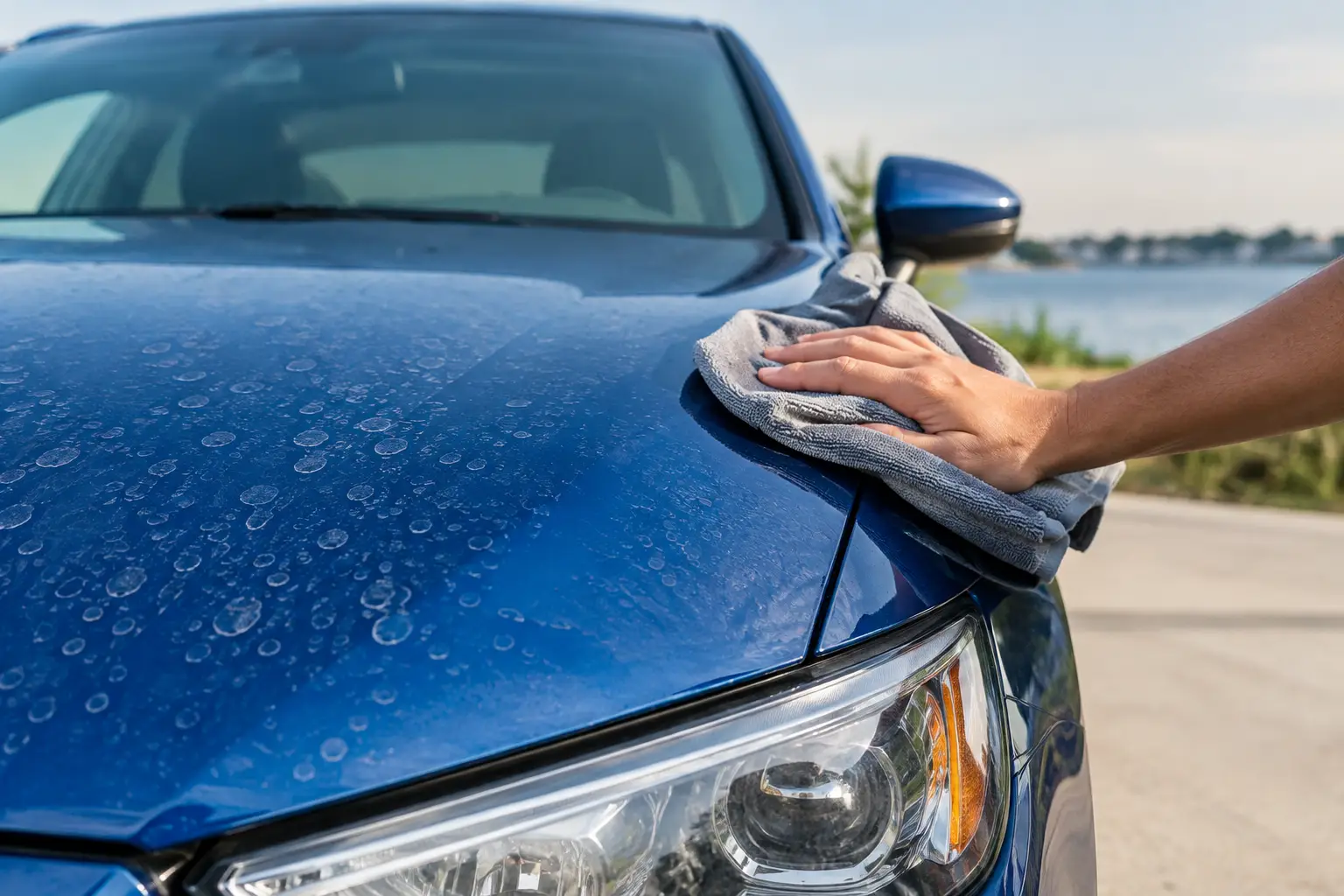
A sprinkler overspray, a rushed wash, or a rainy drive followed by bright sun can leave spots that make clean paint look neglected. But can detailing fix water spots once they have dried onto your vehicle? In many cases, yes. The right professional process can remove mineral deposits, restore gloss, and help prevent the damage from becoming permanent. The key is identifying whether the spot is sitting on the surface or has already etched into it.
Can Detailing Fix Water Spots? It Depends on the Damage
Water spots are not all the same. What looks like a simple ring on a hood or door may be leftover minerals, chemical contamination, or actual damage in the clear coat. A professional detail is designed to safely determine the difference before aggressive products or polishing methods are used.
Fresh, light spots are typically the easiest to remove. These are mineral deposits left behind when water evaporates. Tap water, sprinkler water, rainwater, and well water can all contain minerals that dry onto paint, glass, trim, and chrome. When caught early, a thorough wash and decontamination process may be enough to remove them without affecting the finish.
More stubborn spots require a more involved approach. If minerals have bonded to the paint or glass, a detailer may use specialized water spot removers and controlled mechanical decontamination. If the spot has etched below the surface, paint correction may be needed to level the damaged area and bring back clarity.
The longer water spots remain on a hot vehicle, the greater the chance of etching. This is especially common on dark paint, horizontal panels, windshields, and vehicles parked near sprinklers in Metro Detroit's warm-weather months.
What Professional Water Spot Removal Includes
Professional detailing is more than applying a cleaner and wiping the panel dry. The safest process starts with inspecting the affected surfaces under proper lighting. That matters because a spot that disappears while wet can still be visible once the panel dries.
The vehicle is first washed using methods that remove loose dirt without adding wash-induced scratching. The paint is then evaluated for bonded contamination and mineral buildup. Depending on the severity, the detailer may use a dedicated chemical treatment, clay decontamination, or both.
Chemical removal is often the best first option for mineral deposits because it addresses the contamination without unnecessarily polishing the paint. However, chemical products must be chosen carefully. A product that works on clear coat may not be appropriate for delicate trim, polished metal, or certain aftermarket finishes.
When spotting remains after decontamination, the next step is usually machine polishing. This is where paint correction can make a major difference. A technician uses a machine polisher, pad, and polish combination suited to the paint condition to reduce or remove etching. The goal is to improve the finish while preserving as much clear coat as possible.
On glass, the process is different. Mineral deposits can bond tightly to windshields and side windows, and they can interfere with visibility at night or in rain. Light spotting may respond to a glass-safe water spot treatment. Severe glass etching may improve with polishing, but deeply damaged glass may need replacement. Honest inspection matters more than promising a perfect result where the material cannot be safely restored.
When Water Spots Become Paint Etching
A water spot becomes a bigger problem when its minerals or contaminants begin to affect the clear coat itself. Heat accelerates the process. Picture water sitting on a black hood under summer sun: as the water evaporates, its mineral concentration increases. The remaining deposit can leave a distinct outline, and acidic contaminants in rainwater can add to the issue.
Etching often feels smooth to the touch even though it remains visible. That is because the damage may be shallow and contained within the upper layer of clear coat. Proper paint correction can often remove or significantly reduce these marks.
There are limits. Severe etching can extend deeper than a safe polishing process can correct. Repeated heavy compounding is not a responsible answer, particularly on thin factory paint or panels that have been corrected before. In those cases, a professional may recommend reducing the appearance rather than chasing complete removal at the expense of long-term paint health.
This is also why a quick hand-applied wax may make spots look better briefly without actually correcting them. Fillers and gloss-enhancing products can mask light defects, but they do not remove etched clear coat. Once the product wears away, the marks may return.
Why DIY Water Spot Removal Can Go Wrong
It is understandable to want to handle water spots at home. Some light deposits can be removed with a quality car wash soap, clean microfiber towels, and a vehicle-safe spot remover. The risk begins when household solutions or excessive pressure enter the process.
Vinegar is frequently suggested for water spots, but it is not a universal automotive solution. It may affect certain finishes, trim, coatings, or sensitive materials if used at the wrong concentration or left on too long. Abrasive scrub pads, harsh powders, and dry towels can create scratches that are more noticeable than the spots themselves.
Polishing by hand can also be unpredictable. Many consumer products contain fillers that offer short-term visual improvement, while aggressive products can haze softer paint. Without paint-depth awareness, correct pad selection, and controlled technique, it is easy to remove more clear coat than necessary.
If the spots are isolated and recent, careful DIY cleaning may be reasonable. If they cover multiple panels, remain after washing, show up in direct sunlight, or affect glass visibility, professional evaluation is the smarter path.
The Best Protection After Water Spot Removal
Removing the spots is only half the job. Once the paint has been cleaned or corrected, it needs protection that makes future maintenance easier. An unprotected surface allows minerals and contaminants to bond more readily, which means spotting can return faster.
A quality paint sealant or wax can add temporary protection and improve water behavior. For drivers who want longer-lasting defense, a ceramic coating creates a durable protective layer that improves gloss, makes routine washing easier, and reduces the chance of contaminants bonding directly to the clear coat. It is not a force field, and it does not make a vehicle immune to water spots. Sprinkler water and mineral-heavy water should still be removed promptly.
Paint protection film offers another level of defense for vulnerable painted areas. While PPF is most often selected for impact protection from road debris, it also creates a sacrificial barrier between the paint and everyday contaminants. For new vehicles, luxury vehicles, and performance cars, combining correction where needed with the right protection package can preserve the finish and support resale value.
At MYNT Customs, water spot removal is approached as part of the vehicle's overall paint condition, not as a one-product fix. That allows the service to match the severity of the spotting and the owner's goals, whether the vehicle needs a refresh before resale or long-term protection after correction.
How to Keep Water Spots From Coming Back
The simplest habit is also the most effective: do not let water dry on the vehicle whenever possible. After washing, use clean drying towels or forced air to clear water from mirrors, trim, emblems, and body seams. Those hidden areas often drip onto freshly dried panels and leave new spots.
Avoid parking near lawn sprinklers, particularly if the vehicle will sit in the sun. If overspray happens, rinse the affected panels as soon as practical and dry them properly. After rain, a prompt wash is worthwhile when the vehicle has been exposed to dust, pollen, industrial fallout, or road grime.
Use a maintenance routine that fits how the vehicle is driven and stored. A garage-kept weekend vehicle has different needs than a daily driver traveling through Livonia, Detroit, and surrounding communities year-round. Protected vehicles still need safe washing, but regular maintenance prevents small deposits from turning into paint correction work.
Water spots do not have to become permanent marks on your vehicle. Acting early protects the finish, while professional correction and durable protection provide the best path back to a clean, clear appearance.