How to Restore Faded Trim Without Shortcuts
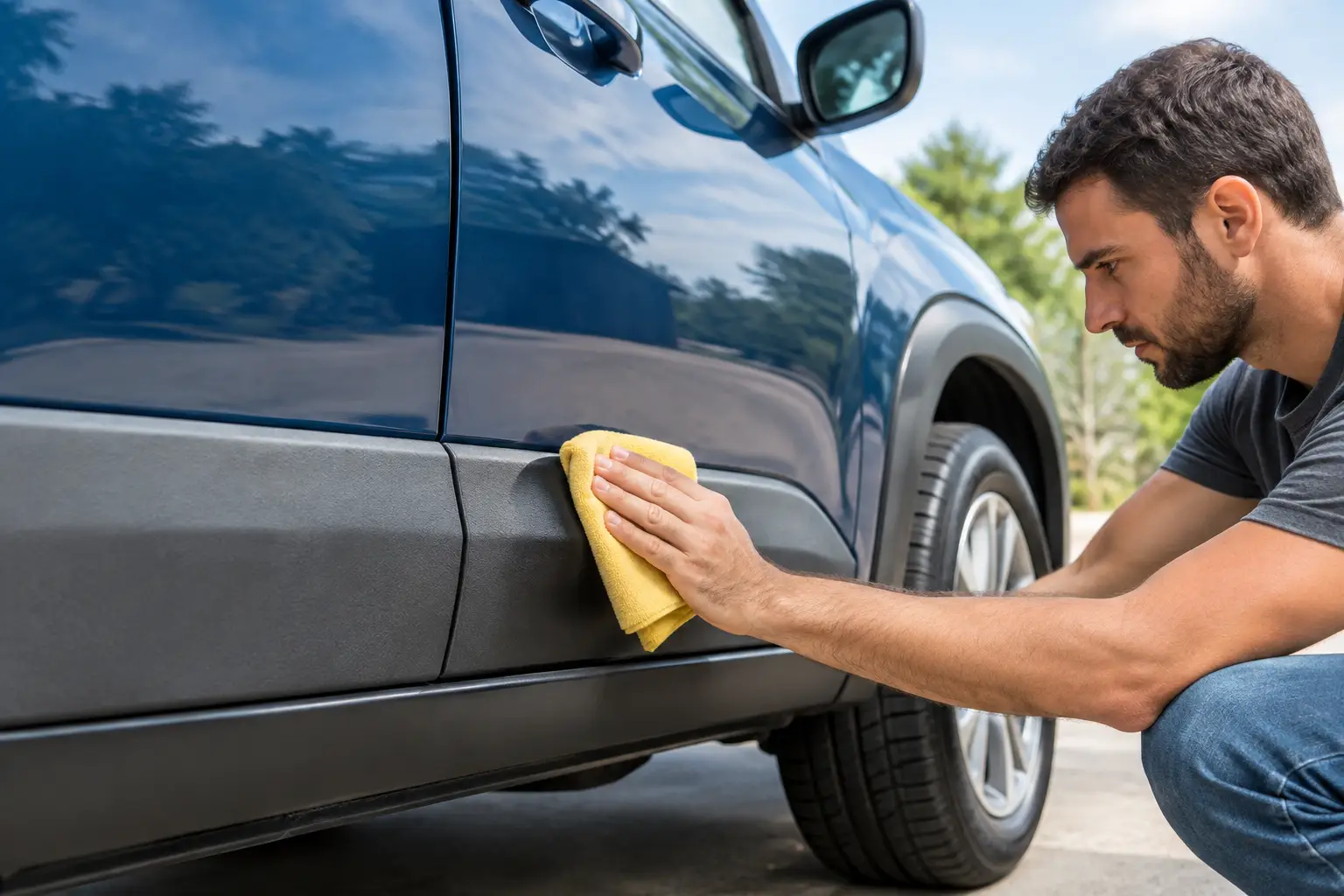
Black exterior trim is supposed to frame your vehicle, not distract from it. When it turns chalky gray, blotchy, or brown, even clean paint can look neglected. The right way to restore faded trim depends on what caused the discoloration, the trim material, and how long you expect the result to last.
For Metro Detroit drivers, exterior plastic takes a beating. UV exposure, winter road salt, harsh washes, automatic car wash chemicals, and neglected maintenance all pull oils and protection from unpainted plastic. A quick trim dressing may make it look better for a few days. A proper restoration process can produce a more even finish and protect it from fading again.
Why Exterior Trim Fades
Most exterior trim is made from textured plastic or rubber-based material. From the factory, its dark appearance comes from the material itself, surface oils, and protective additives. Over time, sunlight oxidizes the surface and breaks down those additives. The result is the dry, gray appearance commonly seen on mirror bases, rocker trim, cowl panels, bumper inserts, roof rails, and door moldings.
Contamination makes the problem worse. Old silicone dressings can attract dust and wash away unevenly. Wax residue often leaves white marks in textured plastic. Road film, salt, degreasers, and hard water deposits can all change the appearance of trim without actually being part of the plastic.
That distinction matters. If the surface is merely dirty or stained, cleaning may bring back much of its color. If it is oxidized, it needs a restoration product or coating designed to bond with the trim. If the plastic is physically damaged, cracked, or permanently bleached, replacement may be the better investment.
Start With a Proper Inspection and Wash
Restoration should never begin by applying a shiny product to dirty plastic. That only seals in contamination and can create dark streaks that look worse after the first rain.
First, wash the area with a quality automotive cleaner that is safe for exterior plastics. Use a soft detailing brush to work into textured grain, panel edges, and tight corners. The goal is to remove traffic film, old dressing residue, wax, and salt without aggressively scrubbing the trim.
After washing, inspect the plastic when it is fully dry. Look for uneven gray patches, white wax staining, faded sections next to untouched areas, and rough or brittle texture. A clean, dry inspection reveals whether you are dealing with surface contamination or true oxidation.
Avoid household cleaners, tire shine, and strong petroleum-based products. They may create a temporary dark finish, but they can leave trim greasy, attract dirt, or interfere with a long-term coating. Heat guns are another common shortcut. While heat can temporarily darken some plastic by drawing oils to the surface, it can also warp trim, create permanent gloss spots, and make the material more brittle. It is not a reliable restoration method for a vehicle you plan to keep looking its best.
Choose the Right Way to Restore Faded Trim
There is no single product that makes sense for every vehicle. The best option comes down to the condition of the trim, your maintenance habits, and the level of durability you want.
Trim dressing for short-term improvement
A water-based or solvent-based trim dressing can darken faded plastic quickly. This option works well for vehicles being detailed for a sale, a show, or a short-term appearance refresh. The trade-off is durability. Depending on the product, weather, and washing routine, the finish may last days or weeks rather than months.
Dressings also require careful application. Excess product can sling onto paint, leave glossy spots, or run down panels in the rain. On a premium vehicle, an uneven wet-looking finish rarely looks factory correct.
Trim restorer for deeper color correction
Dedicated trim restorers are designed to address oxidation and improve the color of faded plastic. Some use dyes or pigments to even out the appearance. Others penetrate the surface and leave behind protective resins.
A quality restorer can provide a noticeable improvement when applied to properly cleaned and dried trim. Preparation is everything. Any leftover wax, oils, or dressing can prevent even bonding and lead to patchy results. The product should be applied in thin, controlled layers and allowed to cure as directed.
This is often a strong middle-ground option for moderately faded trim that is structurally sound. It can look far more natural than a glossy dressing, though its lifespan still varies by product and exposure.
Ceramic trim coating for long-term protection
For owners who want the most durable result, a ceramic coating formulated specifically for plastic trim is usually the better choice. These coatings are designed to bond to the surface, deepen the appearance, improve water behavior, and add UV resistance.
A trim coating will not repair cracks or reverse severe physical damage. It can, however, protect restored trim from quickly returning to a faded condition. This makes it especially useful on newer vehicles, vehicles with dark textured trim, and daily drivers exposed to Michigan sun, rain, snow, and road treatments.
The main trade-off is that ceramic trim coatings demand better preparation and more controlled application. High spots, product buildup in textured grain, and poor curing conditions can affect the final appearance. Professional application is often worthwhile when trim is heavily faded, highly visible, or part of a larger exterior protection plan.
The Application Details That Make Results Last
Once the trim is clean and dry, work one small section at a time. Use an applicator that can reach textured surfaces without flooding adjacent paint. Apply a thin, even layer rather than trying to make the trim look dark in one heavy pass.
Pay close attention to edges around painted panels, badges, lights, and glass. Many trim products can stain porous surfaces or leave difficult-to-remove residue if they are allowed to dry where they do not belong. Masking may be appropriate around delicate areas, particularly on light-colored paint or heavily textured plastic.
After application, level any excess before it dries. The finish should look even and factory-appropriate, not oily or overly glossy. Cure time matters as well. Keep the vehicle dry and avoid washing it until the product has set according to its instructions.
The biggest mistake is judging success while the trim is still wet. Nearly every product looks impressive immediately after application. The real test comes after the vehicle dries, sees a few weather cycles, and receives its next maintenance wash.
What Not to Use on Faded Plastic Trim
Some products create a dramatic before-and-after photo but do not provide a quality long-term finish. Tire shine is the most common example. It is made for rubber tires, not textured exterior plastic, and can leave a slippery, dust-attracting surface.
Permanent dyes and low-quality black paint can be equally problematic. They may hide fading at first, but they can chip, peel, or create a painted appearance that does not match the rest of the vehicle. If a vehicle has factory satin trim, a glossy black coating can look just as out of place as faded gray plastic.
Be cautious with waxes and polish residue around trim. If product dries in the texture, removing the white haze can take more time than the original paint enhancement. During paint correction or waxing, trim should be protected and cleaned as part of the final detailing process.
Keeping Restored Trim Darker for Longer
The best maintenance routine is simple: wash the vehicle regularly with pH-balanced automotive products, avoid harsh degreasers unless necessary, and dry trim rather than allowing mineral-heavy water to air dry on it. If you use an automatic wash, choose one that does not rely on aggressive chemicals or abrasive brushes.
Parking indoors or using covered parking when practical reduces UV exposure. That does not mean a garage is required for good trim, but it does slow the fading process. Periodic top-ups with a compatible trim protectant can also extend the life of a restoration or coating.
If your vehicle already receives ceramic coating, paint protection film, or regular professional detailing, exterior trim should be part of that maintenance conversation. A clean, protected finish looks more complete when the plastic, paint, wheels, and glass all receive the same level of attention.
When Professional Trim Restoration Makes Sense
Professional service is especially valuable when fading is severe, trim surrounds expensive body panels, or previous products have created blotching and residue. It also makes sense before resale, lease return, or a ceramic coating appointment, when small cosmetic details can make a vehicle look significantly newer.
At MYNT Customs, trim restoration can be approached as part of a complete exterior reconditioning plan rather than a quick cosmetic cover-up. The goal is a clean, even finish that complements the paint and stays easier to maintain through changing Michigan seasons.
Faded trim does not always mean replacement is necessary. With correct cleaning, the right restoration method, and realistic expectations about durability, it can become a subtle detail that makes the entire vehicle look cared for again.