Window Tint vs Factory Glass: What Changes?
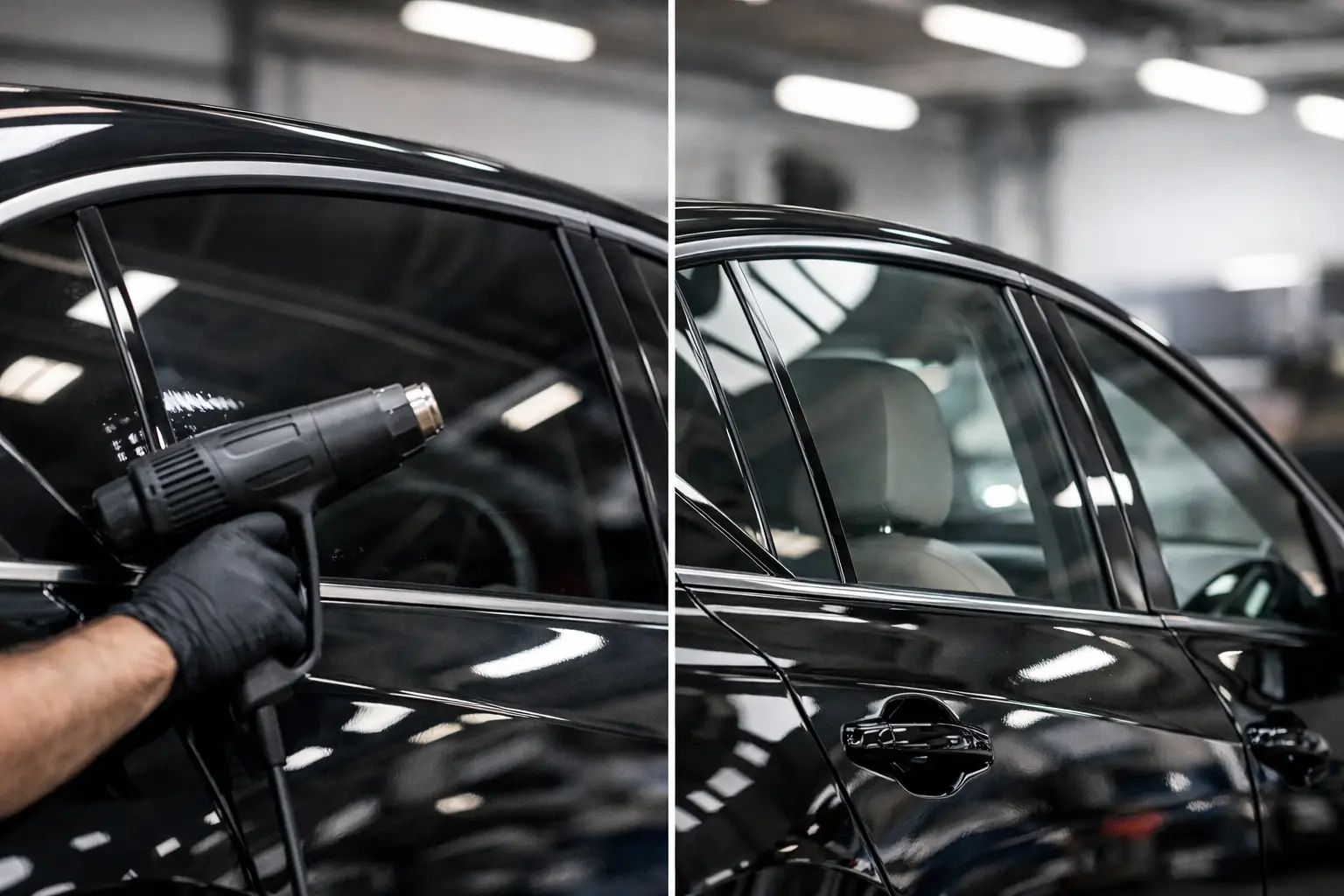
A rear window that looks dark does not necessarily have the same protection as professionally installed film. In the window tint vs factory glass conversation, the key difference is not simply how dark the glass appears. It is what is built into the glass, what can be added to it, and how each option performs against heat, glare, UV exposure, and unwanted visibility.
For Metro Detroit drivers, that difference becomes obvious quickly. Summer sun can make a parked vehicle uncomfortable, winter roads create intense reflected glare, and daily commuting puts interiors under constant UV exposure. Understanding what your vehicle already has helps you choose an upgrade that improves comfort and appearance without paying for the wrong solution.
What Factory Glass Actually Means
Factory automotive glass is the glass installed by the vehicle manufacturer. Most vehicles have clear glass at the windshield and front side windows, while many SUVs, trucks, vans, and crossovers have darker rear glass. That darker rear glass is often called privacy glass, but it is not the same thing as aftermarket window tint.
Privacy glass is colored during manufacturing. The darkened appearance is part of the glass itself, so it cannot peel, bubble, or be removed like film. Its primary purpose is privacy and appearance. It can make cargo areas and rear seating areas harder to see into, but the darkness alone does not tell you how much heat or UV protection it provides.
Factory glass can include UV-reducing properties, acoustic layers, heating elements, antennas, and other features depending on the vehicle. Windshields, for example, are laminated safety glass and commonly filter a meaningful amount of UV radiation. Side and rear glass are often tempered and may offer different levels of protection. Those built-in benefits vary by manufacturer, model, trim level, and model year.
The mistake is assuming that factory-dark rear glass delivers the same solar performance as high-quality tint film. Sometimes it offers a measure of protection. Often, it does not provide the heat rejection, infrared reduction, or consistent UV coverage that drivers expect from a premium film installation.
Window Tint vs Factory Glass: The Real Differences
Aftermarket window tint is a film applied to the interior surface of automotive glass. It is available in multiple shade levels and material types, from entry-level dyed films to advanced ceramic films engineered for higher heat rejection and clear visibility.
The most noticeable difference is performance flexibility. Factory glass comes as-is. Window film lets you select the shade, heat control, glare reduction, and privacy level that fits the vehicle and the way you drive it.
Heat rejection
This is where ceramic window film often separates itself from factory privacy glass. A quality ceramic film is designed to reject a significant amount of solar heat, including infrared energy that contributes to a hot cabin. Darker factory glass may reduce visible light, but it can still allow substantial heat through.
That matters on a black interior, a long commute, or any vehicle that spends hours parked outdoors. Better heat rejection can reduce how hard the air conditioning has to work, improve rear-seat comfort, and make the cabin feel more manageable when you return to the vehicle.
Do not judge heat performance by shade alone. A lighter ceramic film can outperform a much darker basic film in heat control. The right choice depends on whether your priority is maximum visibility, a darker appearance, improved comfort, or a combination of all three.
UV protection
UV exposure slowly damages more than skin. It can fade upholstery, dry leather, discolor trim, and age dashboard materials over time. Factory glass may provide some UV filtering, especially at the windshield, but coverage and performance are not uniform across every window.
Quality window film adds a more consistent layer of UV protection across the areas where it is installed. This is especially valuable for vehicles with leather interiors, light-colored trim, panoramic glass, or owners who keep a vehicle for many years. It also makes sense for leased vehicles and resale-focused owners who want the interior to remain clean and well preserved.
Privacy and appearance
Factory privacy glass creates a uniform rear-window appearance, but it leaves the front doors clear on most vehicles. Applying film to the front side windows can create a more balanced, finished look while improving privacy within legal limits.
Film also gives owners more control over the final appearance. Some prefer a subtle, factory-style shade. Others want a darker, more private look for rear passengers and cargo. The best result is one that complements the vehicle rather than making visibility feel compromised.
Glare reduction
Bright sun, snow glare, wet pavement, and headlights from traffic can make a drive more tiring. Tint film reduces visible light entering the cabin, which can help reduce glare and improve comfort. Factory privacy glass can help in the rear, but it does little for the clear front windows where drivers experience the most direct side glare.
There is a trade-off. A darker film may reduce daytime glare more effectively, but it can also make nighttime visibility more difficult. Drivers who regularly travel unlit roads, park in dark garages, or rely heavily on side-window visibility should choose their shade carefully.
Can You Tint Factory Privacy Glass?
Yes. Factory privacy glass can be tinted, and it is one of the most common ways to improve the performance of an SUV, truck, or crossover. The film is installed over the existing glass, which means the final appearance becomes darker than the glass alone.
The benefit is that you can add heat rejection and UV protection without changing the original glass. Many owners choose a high-performance ceramic film on the rear privacy glass, then use a legal, lighter film on the front doors to bring the vehicle's look and protection closer together.
The important consideration is final visible light transmission, often called VLT. When film is applied to already-dark factory glass, the combined result can become much darker than expected. A professional installer measures the existing glass and recommends a film that produces the desired result while helping you stay within applicable regulations.
Why Windshields Need a Different Approach
The windshield should not be treated like the rest of the vehicle's glass. It is essential for forward visibility, uses different construction, and is governed by separate tint restrictions. A dark windshield film may create serious visibility and legal concerns, particularly at night or in poor weather.
For drivers focused on heat control, a nearly clear ceramic windshield film may be an option where permitted. It can reduce solar heat and UV exposure while preserving a clear view of the road. The specific product and installation should be selected with visibility, local rules, and the vehicle's driver-assistance sensors in mind.
Modern vehicles may have cameras, rain sensors, heated glass, heads-up displays, and calibration-sensitive equipment near the windshield. Experienced installation matters because the film must be fitted cleanly without interfering with these features.
Choosing the Right Film for Your Vehicle
A basic dyed tint can improve appearance and add privacy at a lower upfront cost. However, it is generally not the best choice for drivers who want meaningful heat rejection, color stability, and long-term performance. Metallic films can provide strong heat control, but they may affect electronic signals on some vehicles.
Ceramic tint is often the better fit for premium vehicles, daily drivers, and owners who want a noticeable comfort upgrade without relying on an excessively dark shade. It is designed to reject heat without metal content, making it a strong option for vehicles with cellular, GPS, keyless-entry, and radio systems.
Your decision should start with how the vehicle is used. A commuter parked outside all day may benefit most from heat-rejecting ceramic film. A family SUV may need better rear-passenger comfort and privacy. A performance car with a dark interior may need a lighter film that still controls heat. For a vehicle being prepared for resale, a clean, legal, professionally installed tint can sharpen its presentation while helping preserve the cabin.
Professional Installation Protects the Investment
Window film is only as good as its installation. Proper preparation, precise cutting, clean edges, and careful curing are what separate a refined result from one that looks temporary. Poor installation can lead to contamination, peeling edges, uneven coverage, bubbles, or damage around trim and defroster lines.
A professional shop also helps identify whether your vehicle has factory privacy glass, recommends an appropriate film type, and explains what to expect during curing. Small water pockets or a slightly hazy appearance can be normal during the initial cure period, especially in cooler Michigan weather. They should gradually clear as the moisture evaporates.
At MYNT Customs, the goal is not simply to make glass darker. It is to match the right film to the vehicle, driving conditions, and owner's expectations for comfort, protection, and appearance.
The best choice is the one that gives you useful heat and UV control, safe visibility, and a finish that still looks right every time you walk back to your vehicle.