Window Tint Installation Done Right
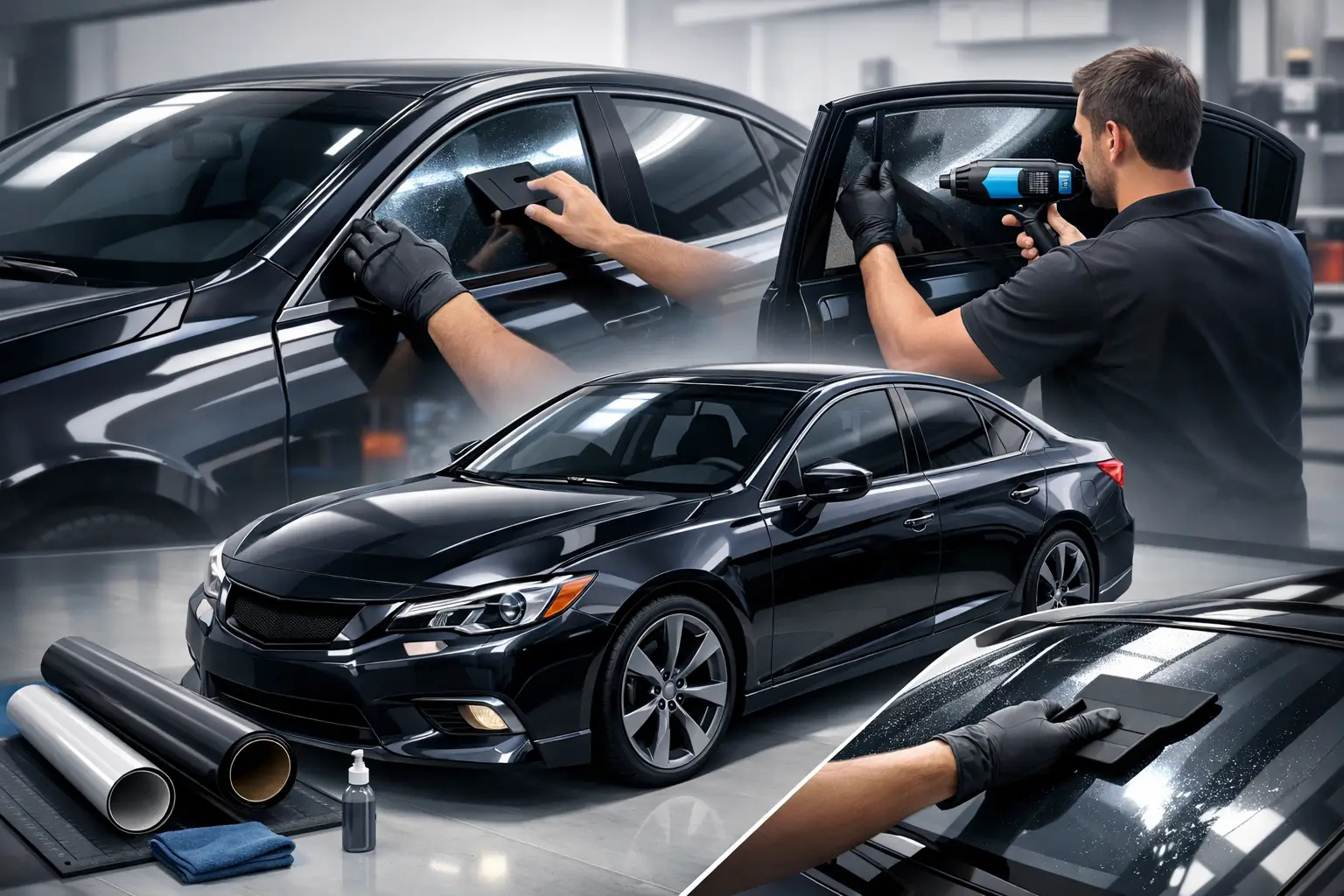
A bad tint job usually tells on itself fast. You see a purple fade after one summer, a peeling corner near the defroster lines, or tiny contamination trapped in the film that catches sunlight every time you drive. Good window tint installation is different. It looks clean on day one, performs for years, and feels like a real upgrade every time you get behind the wheel.
For many drivers, tint starts as a style decision. The vehicle looks sharper, the glass looks more finished, and the overall appearance feels more premium. But the real value goes beyond looks. Quality tint helps reduce heat, cut glare, protect interior materials from UV damage, and make daily driving more comfortable. That matters whether you commute across Metro Detroit, keep a newer vehicle in top shape, or want a better driving experience in every season.
Why window tint installation is more than a cosmetic upgrade
Tint changes the way a vehicle feels from the inside. On bright afternoons, glare off the road and dashboard can wear you out faster than you realize. A properly selected film helps soften that harsh light without making visibility feel compromised. The cabin stays more comfortable, and the drive feels less fatiguing.
There is also the long-term protection factor. Sun exposure takes a toll on interiors over time. Seats dry out, trim fades, and dashboards can lose their original finish. Window film helps block a significant amount of UV exposure, which supports the condition of the materials you see and touch every day. If you plan to keep your vehicle for years, or you care about resale value, that protection adds up.
Privacy is another practical benefit, but this is where expectations should stay realistic. Tint can make it harder for people to see into the cabin in many lighting conditions, which most drivers appreciate. At the same time, privacy levels vary depending on the film shade, the time of day, and the angle of the light. It helps, but it is not the same as making the interior invisible.
What separates professional window tint installation from a quick job
The biggest difference is not just the film. It is prep, handling, and installation control. Even a premium film can look poor if the glass is not cleaned correctly or if the installer rushes through the process. Dust, hair, residue, and moisture management all matter. So does cutting accuracy, edge finishing, and how the film is shrunk and formed to match the glass.
Rear windows are a common place where experience shows. Curved glass requires careful heat shrinking and precise placement. If the installer lacks technique, the result can include fingers, creases, or contamination that never settles out. Side windows may look simpler, but edge gaps, peeling, and uneven alignment are all signs that shortcuts were taken.
A quality shop also understands that every vehicle is a little different. Frameless windows, older seals, sensitive interior trim, and rear defroster lines all require care. Good installation protects the vehicle during the process instead of treating it like just another appointment on the schedule.
Choosing the right film for your goals
Not all tint films perform the same, even when they appear similar from the outside. That is where many drivers make the wrong comparison. They focus on darkness first, when heat rejection, UV blocking, color stability, and clarity often matter more over time.
Dyed films are usually the budget-friendly option. They can improve appearance and help with glare, but they tend to offer lower heat performance and may fade sooner. For drivers who want a short-term visual upgrade, they can make sense. For long-term value, they are usually not the strongest choice.
Carbon films offer a noticeable step up. They provide better heat rejection, a more stable finish, and a cleaner look that does not tend to shift color as quickly. Ceramic films sit at the premium end for a reason. They are built for stronger heat rejection, excellent UV protection, and clear visibility without relying only on a darker shade to get results. If your goal is cabin comfort and long-term performance, ceramic is often where the value becomes obvious.
That said, the best film depends on the vehicle and the owner. A daily driver parked outside all day may benefit most from strong heat and UV performance. A leased vehicle may call for a more balanced option that improves comfort and appearance without overbuilding the package. A performance or luxury vehicle owner may care just as much about optical clarity and a refined finish as the raw numbers.
Shade matters, but legal limits matter too
This is one area where the right answer is not always the darkest film. Darkness affects the look of the vehicle, but it also affects visibility and legal compliance. State regulations set limits on how dark tint can be on different windows, and those limits exist for a reason.
A professional installer should help you choose a film that fits your goals while staying within applicable requirements. That protects you from frustration later and keeps the finish practical for real-world driving. If you regularly drive at night, in rain, or through poorly lit areas, that should factor into the decision too. A shade that looks great online may not be the best fit for your actual use.
What to expect after installation
Fresh tint is not fully cured the moment you pick up the vehicle. Some haziness or a slightly cloudy appearance can be normal during the curing period, depending on weather conditions and the type of film. Small water pockets may also appear at first and then settle as the moisture evaporates.
What should not happen is major lifting, heavy contamination, or visible damage to the film. A good installer will explain the normal curing process, how long to wait before rolling down the windows, and what kind of aftercare helps the film settle properly. That clarity matters because it keeps customers from confusing normal curing with poor workmanship.
Once cured, maintenance is straightforward. Use tint-safe cleaning products, soft towels, and avoid abrasive tools or harsh chemicals on the inside glass. Good film does not need complicated upkeep, but the right care helps preserve the finish.
Is window tint installation worth it on older vehicles?
Usually, yes, if the rest of the vehicle is in solid condition and you plan to keep driving it. Tint can refresh the overall appearance, make summer driving more comfortable, and protect what is left of the interior from further sun damage. On older vehicles, the comfort improvement can be especially noticeable if the factory glass leaves the cabin exposed to a lot of heat.
The main caveat is the current condition of the windows and seals. If there are issues with aging weatherstripping, damaged defroster lines, or glass contamination from previous film adhesive, the installation may require extra care. A good shop will tell you upfront if those factors could affect the result.
Why local experience helps
Window tint performance is not abstract when you live with real seasonal swings. Hot summer sun, cold winters, and daily commuting all shape what drivers need from their vehicles. In a place like Livonia and the surrounding Metro Detroit area, many owners want a solution that improves comfort in the heat but still looks clean and performs well year-round.
That is where working with a specialized shop matters. It is not just about putting film on glass. It is about matching the product to the vehicle, the owner, and the way the car is actually used. Shops like MYNT Customs understand that window tint often sits alongside bigger vehicle care goals, whether that means preserving a newer interior, pairing tint with paint protection, or simply making a daily driver feel better kept.
The smarter way to evaluate a tint shop
Price matters, but it should not be the only filter. A lower upfront number can get expensive if the film fades, peels, or needs to be removed and redone. Better questions are about film quality, installation standards, warranty support, and how the shop handles the details.
Ask what type of film is being installed. Ask how they manage curved rear glass and sensitive trim. Ask what the finished edges should look like and what the curing process involves. Clear answers usually signal a shop that takes the work seriously.
Window tint is one of those upgrades that feels simple until you have seen the difference between average work and excellent work. When it is done right, it improves the look of the vehicle, protects the interior, and makes every drive more comfortable without asking much in return. If you are considering it, focus less on the cheapest path and more on getting a result that still looks right long after the first week wears off.