Paint Protection Film (PPF) Worth It?
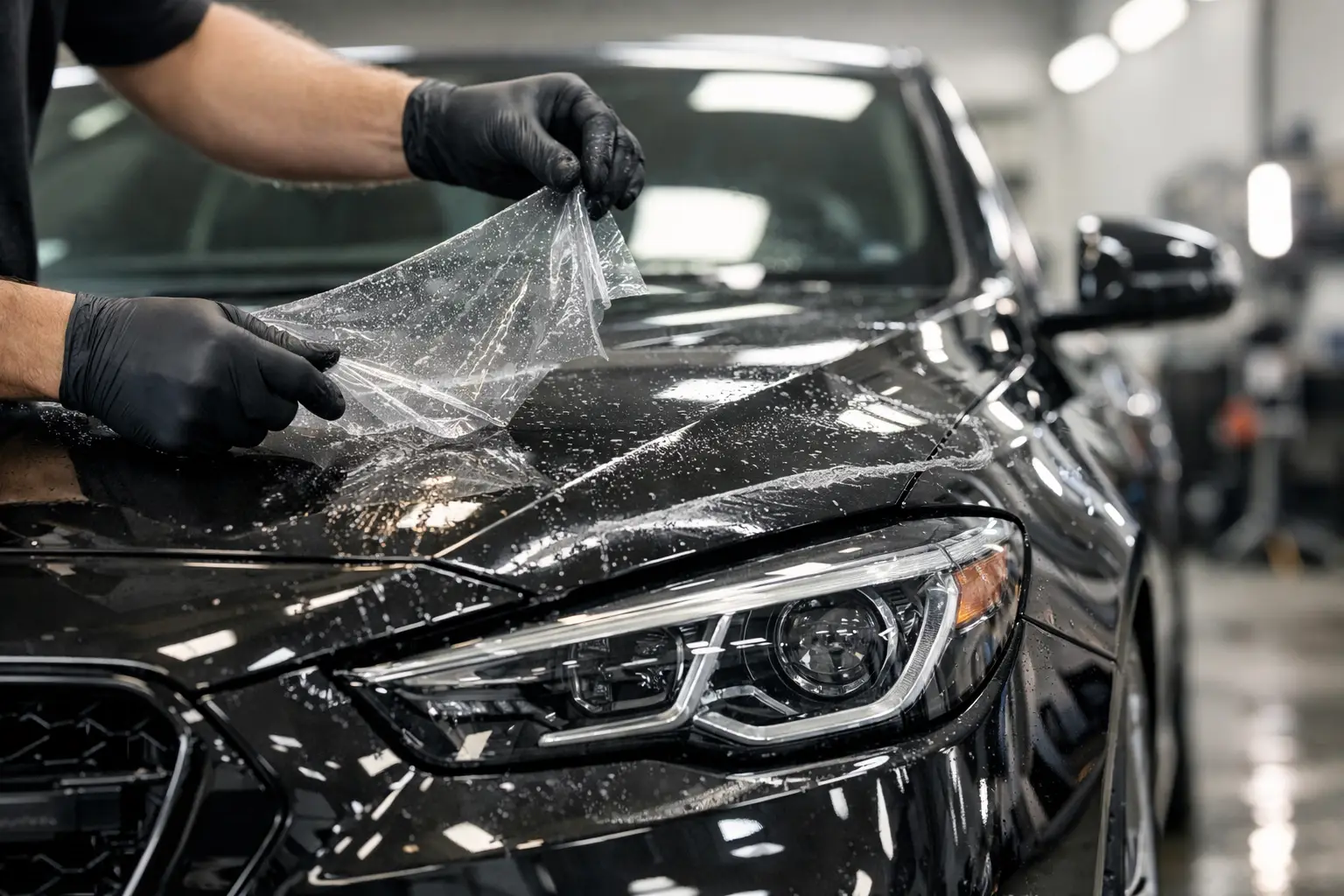
The first rock chip usually shows up faster than most owners expect. It happens on the freeway, behind a gravel truck, or during an ordinary commute, and suddenly the front end of a clean vehicle starts looking older than it should. That is exactly why paint protection film (PPF) has become one of the smartest upgrades for drivers who want to keep their paint looking sharp and holding value.
PPF is a transparent urethane film applied to painted surfaces to defend against common damage. It is designed to absorb the impact of road debris, resist staining, and reduce the kind of wear that slowly chips away at a vehicle’s appearance. For owners who care about gloss, easier maintenance, and long-term condition, it offers a level of protection that waxes and sealants simply do not.
What paint protection film (PPF) actually does
The biggest benefit of PPF is straightforward - it creates a sacrificial barrier between your paint and the road. Instead of small stones, bug acids, salt, and road grime hitting the clear coat directly, the film takes that abuse first. On a daily driver, that can mean fewer chips across the bumper, hood, fenders, mirrors, and rocker panels. On a higher-end vehicle, it can mean preserving the finish that helps the car look newer for longer.
Modern film is not the thick, yellowing material some people remember from years ago. Quality PPF is optically clear, flexible, and built to blend cleanly with the factory finish. Many premium films also include self-healing properties, which means light surface swirls and minor marks can relax with heat. That matters for vehicles that see regular washing, highway miles, and exposure to Michigan weather.
PPF also helps with chemical resistance. Bird droppings, bug splatter, tree sap, and road contaminants can etch or stain paint if they sit too long. Film gives you more breathing room and makes cleanup easier. It does not make the car invincible, but it does reduce the risk that everyday exposure turns into permanent cosmetic damage.
Where PPF makes the biggest difference
Not every panel on a vehicle takes the same amount of abuse. The front bumper, leading edge of the hood, front fenders, side mirrors, and rocker panels usually see the most impact. Those are the areas where PPF tends to deliver the clearest return because they collect the damage that would otherwise hit exposed paint.
For some owners, a partial front package makes sense. For others, full front coverage is the better move because it protects more of the vehicle’s most vulnerable painted surfaces and avoids visible edges in high-exposure areas. Full vehicle coverage is the premium option and often appeals to exotic, luxury, performance, and freshly repainted vehicles where preserving every panel matters.
The right coverage depends on how you drive, where you park, and how long you plan to keep the vehicle. A freeway commuter in Metro Detroit faces different road conditions than someone who mostly uses a weekend car in fair weather. There is no one-size-fits-all answer, which is why the best PPF plan usually starts with real-world usage, not just a menu of packages.
PPF versus ceramic coating
This is one of the most common points of confusion, and the difference matters. PPF is built for impact protection. Ceramic coating is built more for surface performance. A coating can improve gloss, add hydrophobic behavior, and make washing easier, but it does not stop rock chips the way film can.
If your main concern is physical damage on the front end, ceramic coating alone is not enough. If your priority is easier cleaning and a slick, glossy finish, coating delivers excellent benefits. Many owners choose both because the services do different jobs. The film protects against chips and wear, while the coating helps the surface stay cleaner and easier to maintain.
That pairing can be especially useful for newer vehicles. The film covers the high-impact zones, and the coating extends the easy-to-clean, high-gloss finish across the rest of the exterior. It is a more complete protection strategy, especially for people who want premium appearance without constant correction work later.
Is paint protection film worth the cost?
For the right owner, yes. But the answer depends on expectations.
PPF is not the cheapest service, and it should not be treated like a quick cosmetic add-on. It is a specialized installation that requires surface preparation, precise patterning or custom trimming, and careful finishing. When it is done well, the value comes from avoided damage, preserved appearance, and less need for future paint repair. When it is done poorly, edges lift, contamination gets trapped, and the result never looks truly premium.
If you lease a vehicle, PPF can help keep the exterior in better condition and reduce visible wear over your term. If you own a luxury or performance car, film can protect the finish that supports both pride of ownership and resale value. If you drive a daily commuter through construction zones, winter roads, and heavy highway traffic, the savings may show up in fewer chips and less corrective work.
The trade-off is simple - you are paying upfront to prevent damage instead of paying later to correct it. For owners who plan to keep a vehicle looking as close to new as possible, that trade often makes sense.
What to expect from a professional PPF installation
The quality of the installation matters as much as the quality of the film. Before any film touches the vehicle, the paint should be thoroughly cleaned and decontaminated. In many cases, light paint correction is recommended so the film is not locking in swirl marks, haze, or minor defects underneath.
From there, fit and finish become the difference between average and premium work. Clean edges, proper alignment, and thoughtful panel coverage all affect how the final result looks. A good install should feel nearly invisible from normal viewing distance. You should not be distracted by crooked seams, silvering, trapped debris, or rough edges.
This is also where experience matters. Complex bumpers, sharp curves, and tight body lines are not forgiving. A trained installer understands how to stretch, position, and finish the film so it performs well without compromising appearance. That is why choosing a specialist is more important than chasing the lowest price.
How long PPF lasts and how to care for it
Quality PPF can last for years when properly installed and maintained. Longevity depends on film quality, climate, driving conditions, storage, and how the vehicle is washed. A garage-kept weekend car may age differently than a daily driver parked outside year-round.
Maintenance is not difficult, but it does matter. Regular hand washing is ideal. Leaving bug remains, bird droppings, or road salt on the surface for too long can still create issues, even with film in place. Automatic car washes with aggressive brushes are best avoided because they can wear the film and dull the finish over time.
If you want the best appearance and easiest upkeep, pairing PPF with a ceramic coating is often the cleanest route. MYNT Customs often sees owners choose this combination because it adds impact resistance where it matters most while making the exterior easier to wash and maintain overall.
Who should seriously consider PPF
PPF makes the most sense for owners who notice condition and care about keeping it. That includes new car buyers who want to protect fresh paint from day one, daily drivers who rack up highway miles, and enthusiasts who want the front end to stay free of chips and peppering. It also makes sense for leased vehicles, high-end trims, and cars headed for resale where cosmetic condition can directly affect buyer perception.
It may be less compelling for an older vehicle with significant paint damage already present, especially if the owner is not planning to correct the finish first. Film protects what is there. It does not hide major defects, and it is not a substitute for bodywork or repainting.
That is why the best decisions around PPF are usually practical, not emotional. Look at how your vehicle is used, what kind of wear it sees, and how much the finish matters to you over time. If you want real protection against the damage your paint is most likely to face, PPF remains one of the strongest options available.
A clean vehicle always gets attention, but a protected one keeps earning that attention long after the first detail wears off. If you want your paint to keep looking like it should, the smart move is usually the one you make before the damage starts.