Paint Protection Film PPF Clear Bra Explained
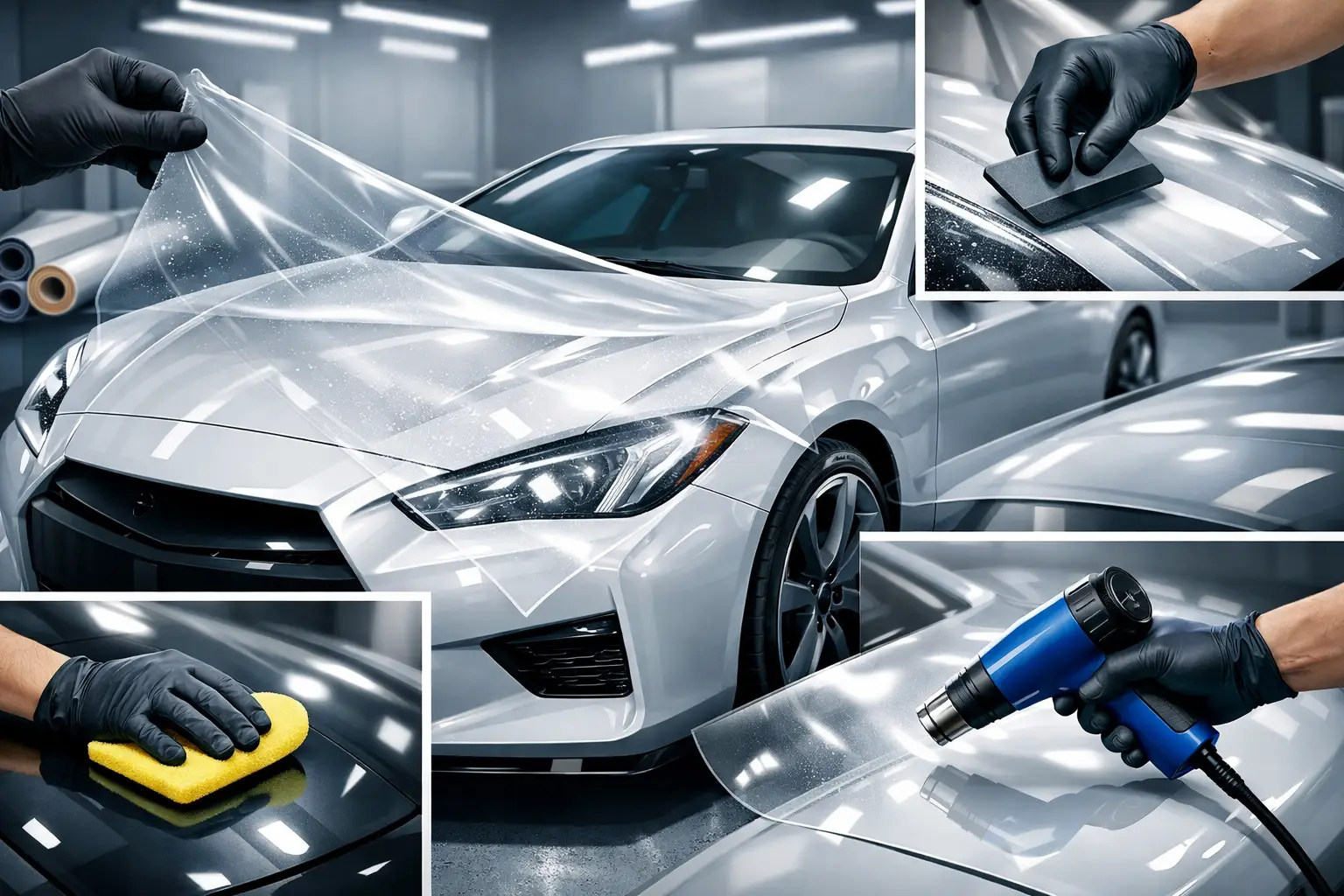
The first rock chip usually happens faster than most owners expect. One highway drive, one truck in front of you, and the front bumper or hood picks up damage that never really goes away. That is exactly why paint protection film PPF clear bra has become one of the smartest upgrades for drivers who want to keep a vehicle looking newer for longer.
This is not just for exotic cars or garage-kept weekend vehicles. PPF makes sense for daily drivers, leased cars, trucks, performance vehicles, and new purchases you plan to keep in top condition. If your goal is to protect paint, reduce visible wear, and hold onto resale value, it deserves a serious look.
What paint protection film PPF clear bra actually is
Paint protection film is a transparent urethane layer applied over painted surfaces. It is designed to absorb the impact of common road debris and act as a sacrificial barrier between your factory paint and the real world. The term clear bra comes from its early use on the front end of vehicles, much like a protective cover for the most exposed areas.
Modern PPF is far better than older film products. Quality films are optically clear, resistant to yellowing, and built with self-healing top layers that can reduce the appearance of light swirl marks and fine scratches when exposed to heat. That matters because protection should not come at the cost of appearance. Done right, the film preserves gloss instead of dulling it.
What PPF protects against and what it does not
The biggest reason people choose PPF is chip resistance. Front bumpers, hood edges, fenders, mirror caps, rocker panels, and behind-the-wheel areas all take abuse from gravel, salt, sand, and small debris. Film helps absorb that impact before the paint takes the hit.
It also protects against bug acids, light surface scratches, road grime, and some staining from everyday driving. In a climate like Metro Detroit, where highway miles, changing seasons, and winter road conditions can be rough on paint, those benefits add up quickly.
That said, PPF is not a force field. A hard enough impact can still damage the paint underneath. It also does not make washing unnecessary, and it is not a replacement for proper maintenance. If the vehicle is neglected, film will not hide that. It protects best when paired with regular care and realistic expectations.
Where paint protection film PPF clear bra makes the most sense
Not every vehicle needs full-body coverage. For many owners, the right package depends on how they drive, where they drive, and how particular they are about the finish.
A front-end package is the most common starting point because the front of the vehicle takes the most abuse. This usually includes the bumper, part or all of the hood, the front fenders, and mirror caps. For someone who commutes, takes frequent freeway trips, or drives behind trucks and construction traffic, this is often the best balance of protection and cost.
A full front package gives more complete coverage and is a strong fit for newer vehicles, luxury models, and owners who know chips will bother them. Full-body PPF is more of a premium decision, but it can make sense on high-end vehicles, dark paint, collector cars, and anything you want to preserve with minimal compromise.
There are also strategic add-ons that matter more than people realize. Rocker panels, door cups, door edges, trunk ledges, and rear wheel arch areas are common wear points. Even if you do not wrap the whole car, those sections can prevent the kind of damage you notice every time you walk up to the vehicle.
Is PPF worth it for a daily driver?
For many owners, yes. The answer depends on what bothers you and how long you plan to keep the vehicle.
If you trade in every couple of years and do not care about a few chips, the value may feel less obvious. But if you just bought a new truck, SUV, or sedan and want it to stay sharp through Michigan roads, salt season, and constant washing, PPF can pay off in appearance alone. You keep more original paint intact, the front end ages better, and the vehicle presents better when it is time to sell or return a lease.
It is also worth it if your vehicle has soft paint, a dark finish, or a front-end design that catches a lot of debris. Some cars show damage faster than others. On those vehicles, film is not overkill. It is preventative maintenance with visible results.
PPF vs ceramic coating
This is one of the most common points of confusion. Paint protection film and ceramic coating are not competing products. They do different jobs.
PPF is built for impact resistance. It is the product that helps protect against chips, road rash, and direct physical wear. Ceramic coating is more about surface performance. It adds slickness, helps with water behavior, makes cleaning easier, and supports gloss retention.
If your main concern is rock chips, ceramic coating alone will not solve that problem. If your main goal is easier washing and a cleaner-looking finish between details, ceramic coating helps a lot. For the best overall result, many owners combine them - film on the most vulnerable painted areas and coating over the film and remaining paint for easier maintenance and a more uniform finish.
Why installation quality matters more than most people think
PPF is one of those services where the material matters, but the install matters just as much. A premium film installed poorly will not look premium for long.
Good installation starts with paint preparation. The surface needs to be properly cleaned and corrected as needed before film is applied. If contaminants or defects are trapped underneath, the final result will reflect that. Clean edges, precise pattern alignment, and thoughtful panel coverage all affect how the vehicle looks once the film cures.
You also want realistic guidance from the shop. Some panels are high-priority. Some are optional. Some vehicles benefit from custom coverage in areas that standard packages miss. A professional installer should explain the trade-offs clearly instead of pushing the biggest package by default.
How long PPF lasts
Most quality paint protection films are designed to last for years, not months. Lifespan depends on the brand of film, installation quality, exposure to weather, mileage, wash habits, and whether the vehicle is stored indoors or outside.
A well-maintained vehicle can get long-term protection and strong appearance retention from film, especially on high-impact areas. The key is proper aftercare. Hand washing is ideal, harsh chemicals should be avoided, and contaminants like bug residue or bird droppings should not sit on the surface longer than necessary.
Film ages better when it is cleaned correctly and not constantly exposed to avoidable abuse. Like any exterior protection, maintenance plays a big role in how it looks over time.
Common concerns before getting PPF
One concern is whether film will be visible. The honest answer is that any added surface layer can be seen under certain lighting or at certain angles, especially along edges. But with quality film and skilled installation, it should be subtle, clean, and far less noticeable than paint chips across the front of the vehicle.
Another concern is removal. Properly installed, quality PPF is made to be removable without damaging factory paint when removed correctly. That is one reason it is attractive for both long-term ownership and lease protection.
Cost is the other big question. PPF is not the cheapest service, and it should not be treated like one. You are paying for material quality, skilled labor, and long-term paint preservation. Whether it is worth it depends on how much you value protecting the finish now versus repairing or repainting damage later.
Who should seriously consider paint protection film PPF clear bra
If you just bought a new vehicle, drive the freeway often, own a dark-colored car, lease a vehicle, or simply hate seeing chips build up on the front end, you are a strong candidate for PPF. The same goes for owners preparing to keep a vehicle for years and those who care about resale appearance.
For drivers around Livonia and the wider Metro Detroit area, road conditions make protection more than a cosmetic choice. Between seasonal debris, salt, and everyday commuting, paint takes real abuse. Film helps slow that wear in the places that matter most.
The best part is simple. You get to enjoy the vehicle without feeling like every highway mile is taking something away from it. That is what good protection should do - preserve the finish, support the value, and let you drive the car the way it was meant to be driven.