New Car Protection Guide for Metro Detroit
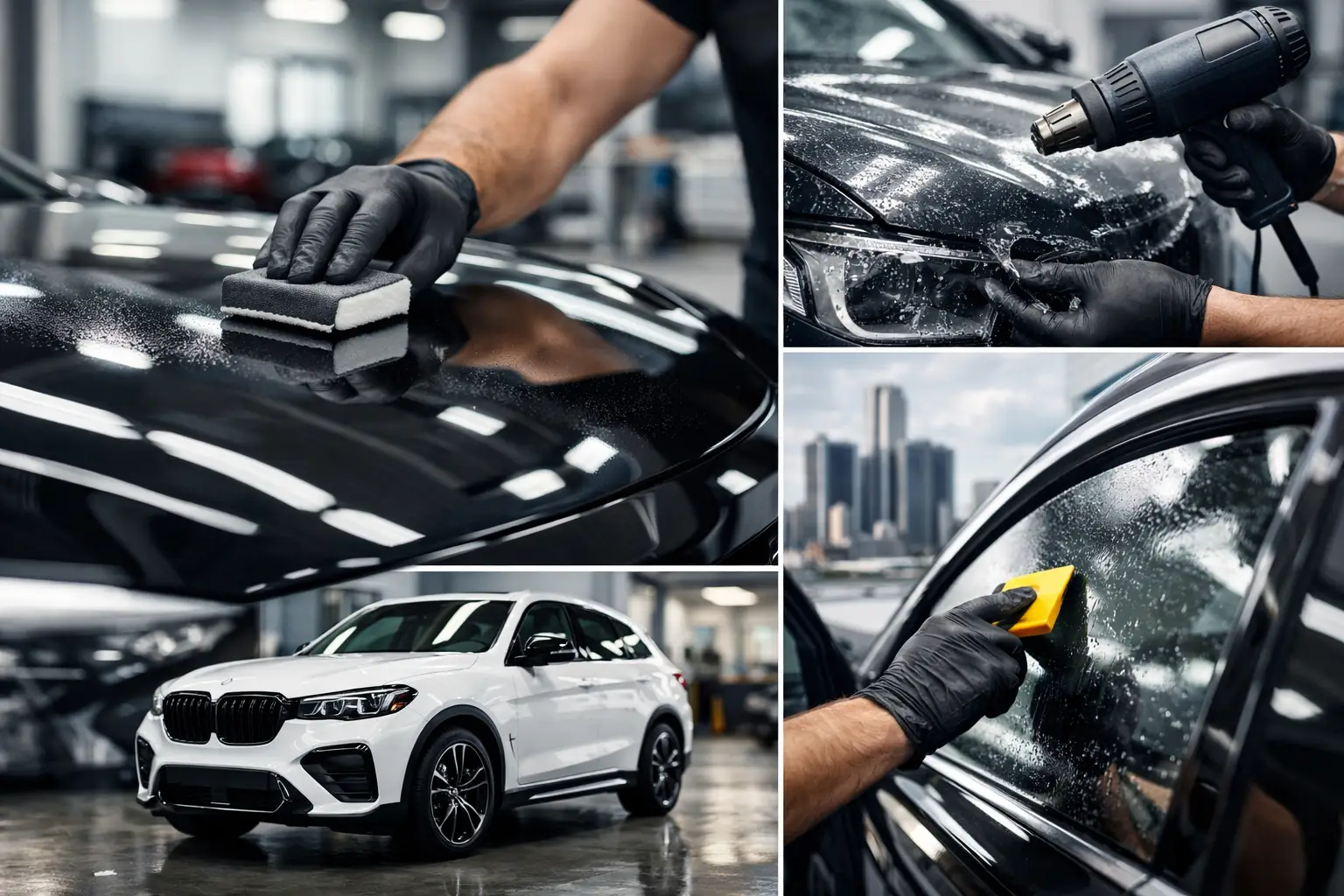
A new vehicle can lose its fresh-off-the-lot look faster than most owners expect. The first rock chip, salt-stained rocker panel, interior scuff, or baked-on bug residue usually happens during ordinary driving, not a dramatic accident. This new car protection guide helps Metro Detroit owners prioritize the services that protect appearance, simplify maintenance, and support long-term value without paying for coverage they do not need.
The right package depends on how you drive, where the vehicle is parked, and how long you plan to keep it. A weekend performance car has different exposure than a leased SUV that sees I-96 every day. The goal is not to protect every square inch at any cost. It is to place the right protection where wear actually happens.
New Car Protection Guide: Protect Paint First
Factory paint is designed to look good, but it is not invincible. Michigan roads introduce gravel, road salt, construction debris, standing water, and winter grime. UV exposure, bird droppings, tree sap, and improper washing can also dull a finish over time. Once damage reaches the paint, repair generally costs more than preventing it early.
Paint protection film for impact areas
Paint protection film, often called PPF or clear bra, is the strongest choice for defending painted panels from physical road damage. It is a transparent urethane film installed over vulnerable surfaces such as the front bumper, hood, fenders, mirror caps, rocker panels, and door edges.
For most daily-driven vehicles, a front-end PPF package offers a practical balance of coverage and cost. These are the panels most likely to collect rock chips during highway driving. Owners of low-slung cars, dark-colored vehicles, trucks used on gravel roads, or vehicles that regularly travel through construction zones may benefit from extended coverage, including full hood, full fenders, rocker panels, and lower doors.
Full-body PPF provides the highest level of paint defense and is especially appealing for exotic, luxury, collector, and high-value vehicles. It is not necessary for every owner. If budget matters, protecting high-impact areas first usually delivers the best return.
Quality installation matters as much as the film itself. Proper panel preparation, careful edge work, and clean alignment help the film remain discreet and durable. PPF can reduce the risk of chips and light scuffs, but it is not a substitute for safe driving or a guarantee against severe impact damage.
Ceramic coating for gloss and easier cleaning
Ceramic coating is a liquid-applied protective layer that bonds to exterior surfaces. Its value is less about stopping rock chips and more about making the vehicle easier to maintain. A professionally installed coating can enhance gloss, add strong water repellency, and reduce how firmly dirt, bugs, and contaminants stick to paint.
That makes ceramic coating an excellent choice for owners who want a consistently clean presentation with less effort. Water beads and sheets more effectively, washes are easier, and the paint retains a deeper, more polished look when maintained correctly. Coatings can also be applied to wheels, glass, trim, and other exterior surfaces based on the package.
Ceramic coating is not scratch-proof, maintenance-free, or a replacement for PPF. It will not prevent a stone from chipping a bumper. The strongest combination for many new cars is PPF on high-impact paint areas, followed by ceramic coating over the protected and unprotected exterior surfaces.
Choose Protection Based on Your Driving Habits
Start by being honest about the vehicle's real use. A garage-kept coupe driven on sunny weekends needs a different strategy than a family SUV parked outside through every season. Daily mileage, highway commuting, garage access, wash habits, and ownership timeline should all influence your decision.
For a leased vehicle, focus on surfaces that affect turn-in condition: the front bumper, hood edge, mirrors, wheels, interior upholstery, and high-touch trim. You may not need full-body film, but avoiding obvious chips, stains, and curb damage can help prevent an end-of-lease surprise.
For a vehicle you plan to own for many years, stronger front-end PPF and a quality ceramic coating often make sense. The protection pays off through easier upkeep and a finish that is more likely to look cared for when it is time to trade or sell. For enthusiasts, coverage choices may also reflect the vehicle's paint color, body shape, and show-quality expectations.
Dealer-installed protection packages deserve a close look before you sign. Some are convenient, but product details, application quality, exclusions, and warranty requirements vary widely. Ask exactly what is being applied, which panels are covered, who performs the work, and what maintenance is required. A vague label such as “paint sealant” does not tell you whether you are receiving PPF, a true ceramic coating, or a short-term product.
Do Not Overlook Window Tint and Interior Care
Paint gets the attention, but daily comfort and interior condition matter just as much over time. Window tint can reduce glare, improve privacy, and help limit solar heat inside the cabin. It also helps protect upholstery, trim, and screens from repeated UV exposure.
The best tint level depends on your vehicle, visibility preferences, and Michigan regulations. A professional installer can help you choose a legal film that looks clean from the outside while preserving safe visibility. Ceramic window film is a popular option for drivers who want stronger heat rejection without an overly dark appearance.
Interior protection should be selected by material, not treated as a one-size-fits-all package. Leather, fabric, Alcantara, vinyl, matte trim, and piano-black surfaces all require different care. A new car detail can remove delivery contaminants, condition appropriate surfaces, and apply protectants that make routine cleaning easier. This is particularly useful for families, pet owners, rideshare drivers, and anyone with a light-colored interior.
Build a Maintenance Plan That Protects the Investment
Protection performs better when routine care supports it. Even a coated vehicle needs washing, and even PPF needs sensible maintenance. Neglect allows salt, minerals, bug residue, and industrial fallout to remain on the surface longer than they should.
A simple maintenance routine keeps the result looking premium:
- Wash the vehicle regularly with pH-balanced products and clean wash media.
- Remove bird droppings, tree sap, and bug residue promptly, especially in warm weather.
- Avoid automatic brushes that can add swirls to paint and wear on exterior trim.
- Clean wheels and lower panels more often during Michigan winter conditions.
- Schedule periodic professional detailing to refresh hard-to-reach areas and assess the finish.
If your car has PPF, avoid picking at film edges and use care around pressure washers. If it has a ceramic coating, do not assume it can go years without washing. Hydrophobic behavior may decline when contamination builds up, even while the coating remains in place. Proper decontamination and maintenance can restore the surface's performance.
When Should You Protect a New Car?
The best time is before the vehicle accumulates road wear. New cars may arrive with transport film residue, dealership wash marks, or minor contamination, so a professional inspection and paint preparation step is still valuable before PPF or ceramic coating is installed. Starting early means the installer is protecting a cleaner, more original surface rather than working around existing chips and scratches.
That said, it is never automatically “too late.” A vehicle with a few months or years of use can often be corrected and protected after a careful assessment. The scope may simply include paint correction or touch-up work before protection is applied.
For Livonia and Metro Detroit drivers, the smartest choice is usually a layered one: impact protection where the road is hardest on the vehicle, surface protection where cleaning and gloss matter most, and interior or window solutions that improve everyday ownership. MYNT Customs can help tailor that approach to your vehicle instead of pushing a generic package. Protect the areas your car will use hardest now, and every wash, commute, and future appraisal becomes easier to manage.