How to Choose a Metro Detroit PPF Installer
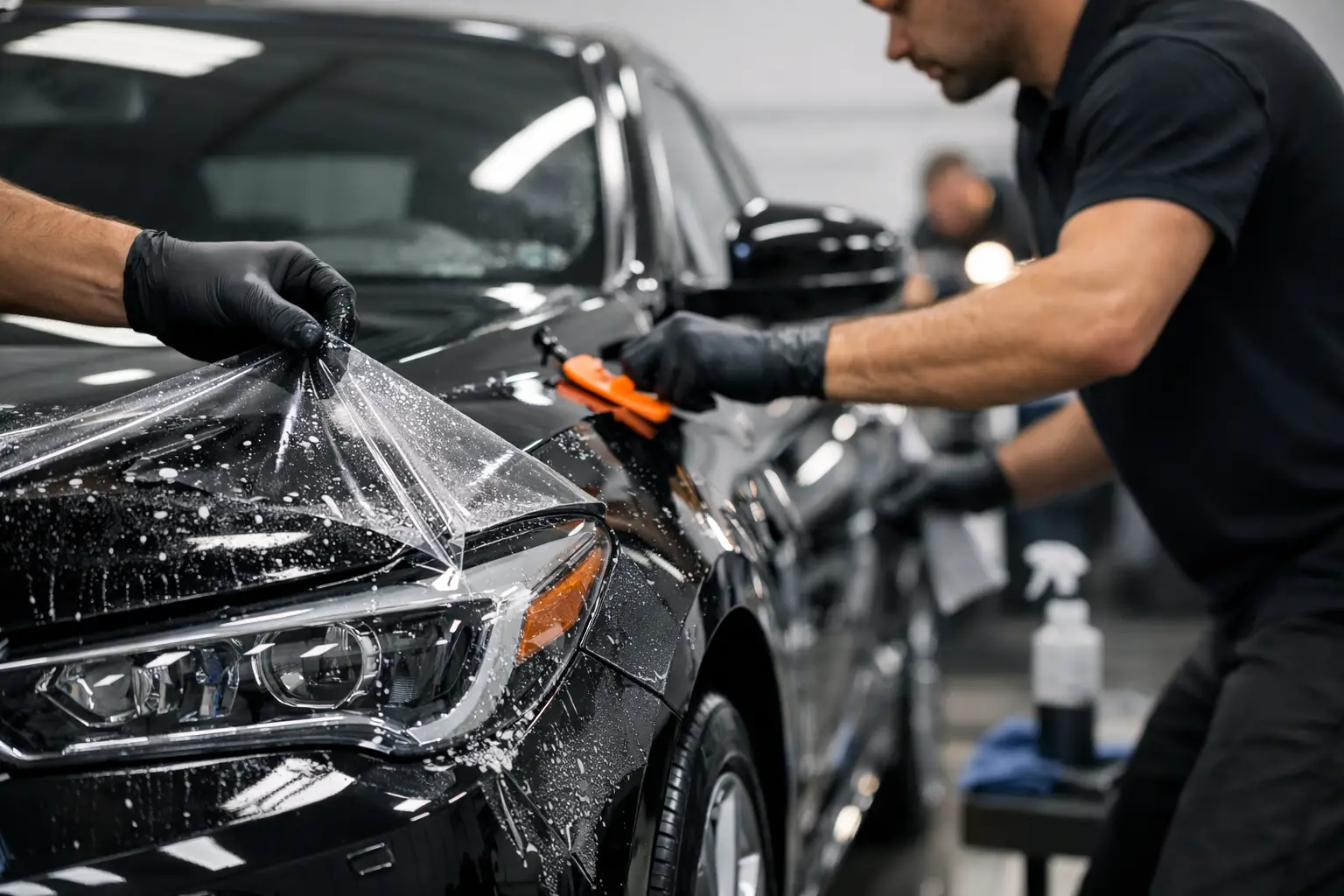
A Metro Detroit ppf installer is not simply applying a clear film to a vehicle. The quality of the result comes down to preparation, pattern coverage, installation control, and the installer’s ability to treat every panel like a visible part of the finished vehicle. When your paint is exposed to gravel, salt, construction debris, winter grime, parking lot damage, and highway miles, paint protection film can be one of the most practical upgrades you make.
For new vehicles, PPF helps preserve the factory finish from day one. For well-kept daily drivers, luxury vehicles, performance cars, and lease vehicles, it can reduce the wear that shows up most clearly on high-impact areas. The key is choosing a shop that understands both the product and the condition of the vehicle underneath it.
What Paint Protection Film Actually Protects
Paint protection film, often called PPF or clear bra, is a durable urethane film applied over painted surfaces. It is designed to absorb and resist damage from the small impacts that slowly wear down a vehicle’s appearance. Quality film is typically self-healing, meaning light scratches and swirls can fade with heat from the sun or warm water.
PPF is especially valuable in Metro Detroit because road conditions change quickly. A clean freeway drive in summer can become a sand, salt, and slush commute in winter. The front bumper, hood, fenders, mirrors, rocker panels, and lower doors take the brunt of that exposure.
Film does not make a vehicle indestructible. A hard impact can still damage paint or dent a panel, and PPF will not correct existing scratches, rock chips, oxidation, or poor-quality repaint work. What it does is add a sacrificial layer that keeps everyday damage from reaching the clear coat as easily.
How to Evaluate a Metro Detroit PPF Installer
A professional result starts long before the film touches the vehicle. Ask how the shop inspects and prepares the paint. Proper decontamination is essential because dirt, iron particles, road film, and adhesive residue can interfere with the finish. On some vehicles, paint correction may be recommended before installation so the film protects a clean, refined surface rather than locking in visible defects.
Experience matters most around complex body lines. Modern bumpers have sharp curves, sensors, vents, badges, and multiple transitions where poor installation becomes obvious. An experienced installer knows where to stretch the film, where to use relief cuts appropriately, and how to minimize visible edges without compromising the film’s stability.
Look closely at the shop’s approach to panel coverage. A front bumper should not be treated like a flat, simple panel. Coverage should account for vulnerable corners, lower areas, and the places where road debris tends to strike. Whenever possible, wrapped edges create a cleaner appearance and reduce exposed paint lines. That said, full edge wrapping is not possible or advisable on every panel. A reputable installer will explain what the vehicle allows instead of promising an unrealistic finish.
Film quality is another part of the decision. Premium PPF should offer clarity, stain resistance, self-healing properties, and a manufacturer-backed warranty. The installer should be able to discuss gloss and matte options, expected durability, care requirements, and the difference between paint protection film and other appearance services.
Choose Coverage That Fits How You Drive
There is no single PPF package that makes sense for every vehicle. The right coverage depends on where you drive, how long you plan to keep the vehicle, its paint color, and your tolerance for chips and wear.
A partial front package is often a practical choice for daily-driven vehicles. It commonly protects the leading portion of the hood and fenders, front bumper, and mirrors. It addresses many of the highest-impact areas while keeping the investment focused.
A full-front installation provides more complete protection across the bumper, full hood, full fenders, and mirrors. This is a strong option for newer vehicles, higher-value vehicles, frequent highway drivers, and owners who do not want a visible line across the hood or fenders.
Full-body PPF offers the broadest level of defense. It can make sense for exotic, luxury, collector, or performance vehicles, as well as owners who want to preserve the entire paint finish for the long term. The trade-off is cost and installation time. Full-body film is a detailed process, but for the right vehicle, it protects more than the traditional impact zones.
Additional areas are worth discussing based on the vehicle. Rocker panels and lower doors are often exposed to debris thrown from the front tires. Rear wheel arches, cargo loading areas, door cups, and gloss-black trim can also benefit from targeted protection. A good installer recommends coverage based on actual risk, not a one-size-fits-all package.
Why Preparation and Installation Conditions Matter
PPF installation requires a controlled workspace, clean surfaces, proper lighting, and patience. Rushing the process can leave contamination, trapped moisture, uneven alignment, lifted edges, or excess tension in the film. Some moisture beneath the film is normal during installation and can take time to evaporate, but excessive bubbles, debris, or lifting edges should not be accepted as the finished standard.
Paint condition also deserves an honest conversation. A brand-new vehicle may still arrive with dealership wash marks, transport contamination, or minor surface defects. A used vehicle may have chips and scratches that PPF cannot erase. Addressing those concerns before the film is installed leads to a more uniform result and lets the film do its job properly.
At MYNT Customs, the focus is on matching the protection plan to the vehicle, its condition, and the way it is driven. That means clear recommendations, careful surface preparation, and coverage designed to protect the areas that see the most abuse.
PPF, Ceramic Coating, and Window Tint Serve Different Jobs
These services work well together, but they are not interchangeable. PPF is the primary choice for defending against rock chips, road debris, and physical abrasion. Ceramic coating adds hydrophobic behavior, gloss, and easier cleaning, but it is not a substitute for impact protection.
Ceramic coating can be applied over paint protection film to help the surface shed water, dirt, and grime more easily. This combination is popular with owners who want the chip resistance of PPF and the low-maintenance cleaning benefits of a coated exterior. Window tint addresses heat, glare, privacy, and interior UV exposure, while paint correction improves the appearance of existing paint before it is protected.
The best service plan depends on the vehicle’s needs. If the front bumper already has frequent highway chip damage, PPF should take priority. If the paint is in good condition but constantly looks dusty or difficult to wash, a ceramic coating may be the more immediate fit.
Questions Worth Asking Before You Book
Before selecting an installer, ask what film brand is being used, what warranty applies, and whether the shop installs pre-cut patterns, custom bulk material, or a combination of both. Pre-cut patterns can reduce the need for cutting near paint, while custom work may be useful for certain edges and unique vehicle shapes. Neither method is automatically better in every situation. Precision and judgment matter more than a sales pitch about one technique.
Also ask how long the vehicle will stay at the shop, what aftercare is recommended, and how the installer handles post-install inspection. A quality shop should set clear expectations about curing time, washing, moisture pockets, and any follow-up needed after the film settles.
Protecting your paint is easier and more cost-effective before the damage builds up. If your vehicle sees Michigan highways, winter roads, or daily parking lot exposure, choose an installer who treats PPF as a precision service, not an add-on. The right film and careful installation can keep your vehicle looking sharper for every mile ahead.