How Livonia Ceramic Coating Experts Protect Paint
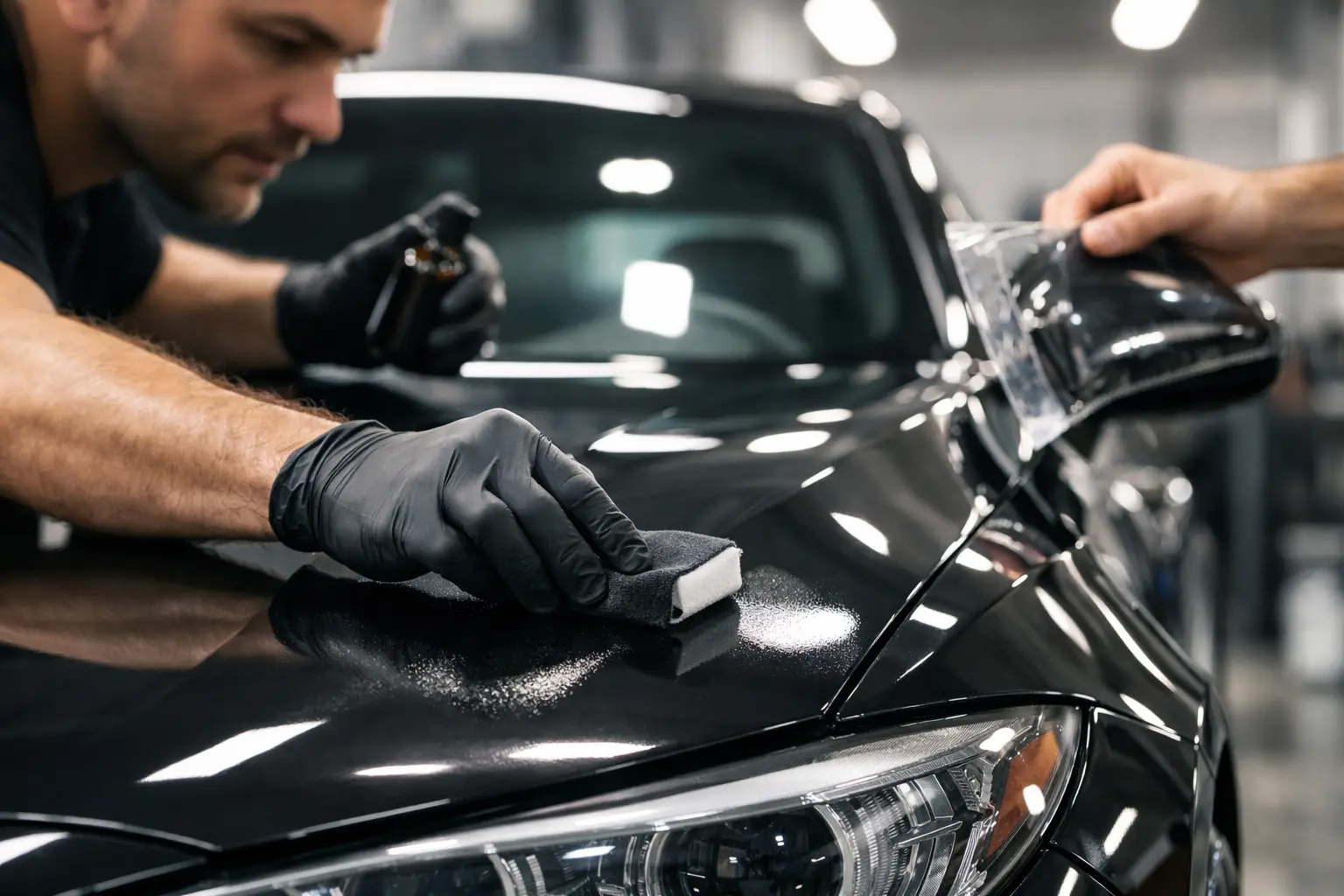
A Michigan winter does not need months to dull a clean finish. Road salt, slush, oily traffic film, hard water, pollen, and summer UV exposure all leave their mark on paint that sees daily use. Livonia ceramic coating experts help vehicle owners put a durable, high-gloss barrier between those conditions and the clear coat underneath.
Ceramic coating is not a quick shine product or a substitute for proper washing. It is a professional protection service built around careful preparation, controlled application, and realistic maintenance. When those pieces are handled correctly, a coating can make a vehicle easier to clean, improve its gloss and depth, and support long-term paint preservation.
What a Professional Ceramic Coating Actually Does
A ceramic coating is a liquid protective coating that cures to form a durable layer on top of a vehicle's clear coat. Its main value is chemical resistance and water behavior. Dirt, bug residue, bird droppings, road grime, and mineral deposits are less likely to bond as aggressively to the protected surface, giving owners more time to wash contamination away before it causes lasting damage.
The hydrophobic effect is the part most drivers notice first. Water beads and sheets more readily, which helps the vehicle dry cleaner after rain and makes routine washing less frustrating. The paint also takes on a sharper, glossier appearance because a properly prepared coating enhances the clarity of the surface below it.
That said, coating performance depends on the condition of the paint and the care it receives afterward. A ceramic coating does not make a vehicle scratch-proof. It will not stop rock chips, prevent a careless wash from creating swirl marks, or eliminate the need for maintenance. It is designed to reduce the impact of common environmental exposure, not make paint invincible.
Why Paint Preparation Matters More Than the Bottle
The best coating cannot hide poor paint preparation. Before application, a professional shop should thoroughly wash and decontaminate the vehicle to remove bonded debris, iron particles, road film, and other contaminants that ordinary washing can leave behind. If those materials remain, they can interfere with the coating's bond and leave the finish feeling rough beneath the protection.
Paint correction is often the next decision. This process removes or reduces swirl marks, light scratches, haze, and oxidation through controlled machine polishing. It is especially valuable for dark colors, black vehicles, and cars that have spent years going through automatic car washes. Coating a scratched finish can preserve it, but it will not erase the defects already there.
The right level of correction depends on the vehicle, the owner's expectations, and the budget. A newer vehicle may need only a light polish to refine the finish before coating. An older daily driver may benefit from a more involved correction service. For some owners, preserving original paint while improving overall gloss is the priority. For others, a near-showroom finish is worth the additional labor.
This is where a professional consultation has real value. An experienced installer can inspect the paint in proper lighting, identify what can realistically be improved, and recommend a service that fits the vehicle rather than forcing every car into the same package.
Livonia Ceramic Coating Experts vs. DIY Protection
Consumer ceramic products have improved, and a careful DIY application can provide a useful layer of protection. The trade-off is that product quality alone does not solve the preparation challenge. A garage may have dust, inconsistent temperature, poor lighting, or limited curing conditions. It is also easy to miss high spots, apply too much product, or coat over contaminants that should have been removed first.
Professional installation brings controlled prep, paint evaluation, polished application technique, and a process designed around the vehicle's actual condition. The goal is not simply to apply a coating. It is to create a finish that looks refined from every angle and performs as expected over time.
For owners of luxury vehicles, performance cars, new purchases, and high-visibility daily drivers, that difference is often worth it. A professional coating service can also be a smart choice before resale, especially when the paint needs correction and the vehicle needs to present cleanly under close inspection.
Ceramic Coating or Paint Protection Film?
Ceramic coating and paint protection film solve different problems. Ceramic coating is ideal for gloss, chemical resistance, easier cleaning, and long-term surface protection. Paint protection film, often called PPF, is a thicker urethane film designed to absorb impacts from road debris. It is the stronger choice for defending high-impact areas such as front bumpers, hoods, mirrors, rocker panels, and door edges.
For a vehicle that spends significant time on Metro Detroit highways, PPF may make sense on the most vulnerable front-end areas. Ceramic coating can then be applied to the rest of the paint or over the film to improve washability and appearance. This combined approach costs more than coating alone, but it provides a more complete defense for vehicles exposed to frequent highway driving, construction zones, and winter debris.
Not every vehicle needs full-front PPF. A well-maintained leased vehicle, commuter car, or older daily driver may get excellent value from paint correction and ceramic coating without the added expense of film. The right choice comes down to driving habits, paint condition, ownership timeline, and what kind of damage concerns you most.
Choosing the Right Coating Service for Your Vehicle
A coating package should match the way you use your vehicle. New car owners often want protection applied early, before wash marks and contamination build up. Enthusiasts may prioritize deeper correction and a higher-level finish. Families and commuters may care most about making a frequently used vehicle easier to keep clean through changing weather.
Ask a prospective installer how they assess paint condition, what preparation is included, and what maintenance they recommend after the service. Clear answers matter. A professional should explain the limits of ceramic coating as openly as the benefits, including that scratches, chips, and neglected contamination are still possible.
It is also worth considering the surfaces beyond painted panels. Wheels, brake calipers, trim, glass, and interior materials may have different protection needs. Coating wheels can make brake dust easier to remove, while interior protection can be useful for vehicles with children, pets, or frequent passengers. A tailored service plan avoids paying for protection that does not fit your ownership needs.
At MYNT Customs, the focus is on pairing appearance improvement with practical protection, so each recommendation starts with the vehicle in front of us rather than a one-size-fits-all promise.
How to Maintain a Ceramic-Coated Vehicle
A coated vehicle still needs regular washing, particularly after salt exposure or long highway trips. The advantage is that contamination releases more easily when the coating is cared for properly. Use a pH-neutral car shampoo, clean wash media, and soft microfiber drying towels. Avoid abrasive brushes and automatic washes that use harsh chemicals or worn friction materials.
Prompt attention matters. Bird droppings, bug splatter, tree sap, and hard-water spots can still damage a coating or etch the surface if left in place. The coating gives you a margin of protection, not unlimited time. If the vehicle is parked outdoors, quick spot cleaning between washes helps preserve both the coating's behavior and the paint's appearance.
Over time, road film and mineral buildup can reduce water beading. That does not always mean the coating has failed. A professional maintenance wash or decontamination service may restore the surface behavior by removing the material sitting on top of the coating.
The best coating result is one you can see every time the vehicle is clean, but its real value shows up in the miles between washes. Choose protection based on how and where you drive, then give it the consistent care that keeps your paint looking like an asset worth keeping.