Is Ceramic Coating Worth It for Your Vehicle?
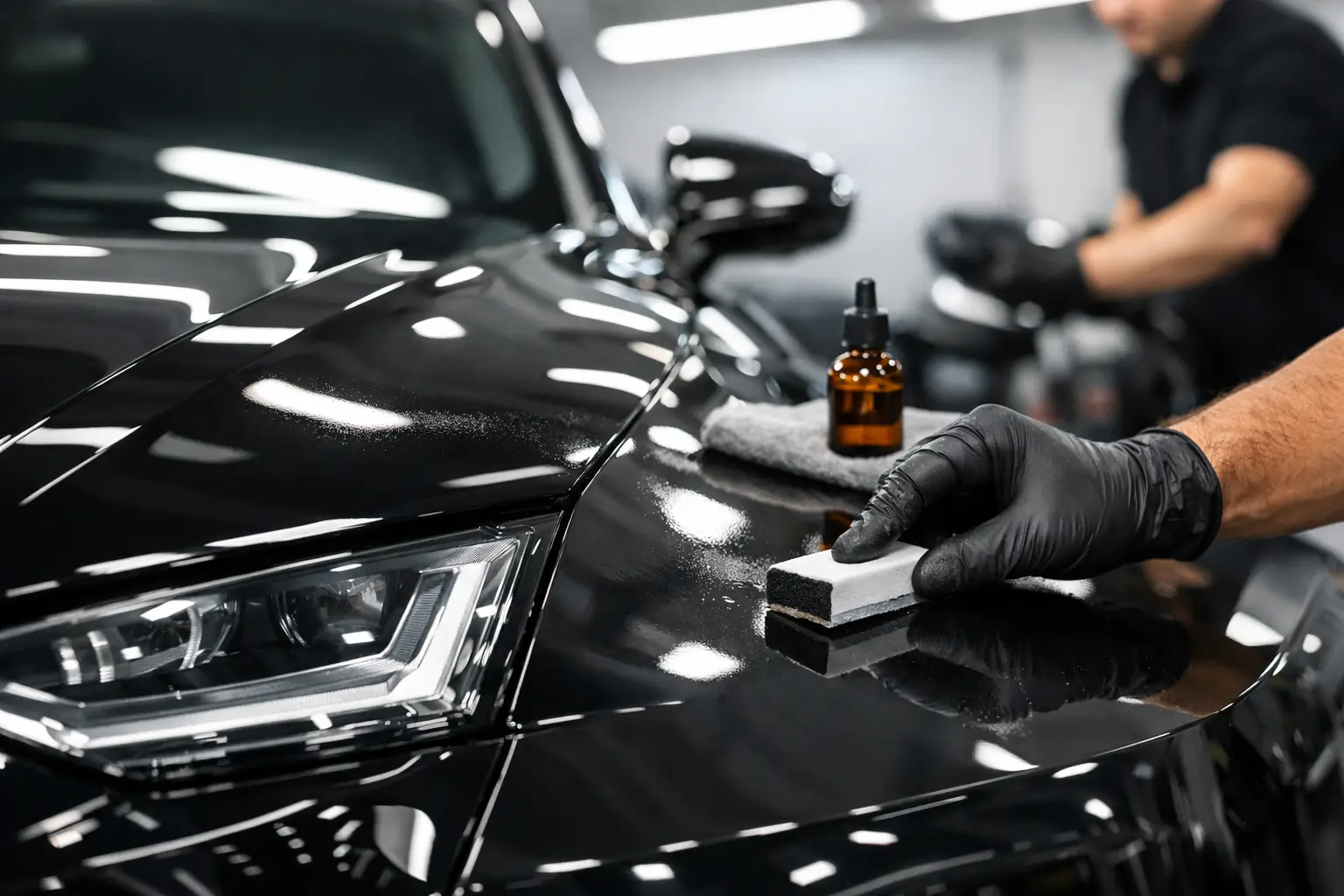
A new vehicle can lose its showroom finish faster than most owners expect. Road salt, bug residue, bird droppings, UV exposure, brake dust, and repeated automatic washes all work against clear coat. So, is ceramic coating worth it? For many drivers, the answer is yes - provided they want long-term paint protection, commit to basic maintenance, and understand what a coating can and cannot do.
Ceramic coating is not a replacement for careful driving or proper washing. It is a professional-grade layer of protection that makes paint easier to maintain, improves gloss, and helps limit damage from common environmental contaminants. For Metro Detroit vehicle owners dealing with changing seasons and demanding roads, those benefits can be meaningful.
What Ceramic Coating Actually Does
A ceramic coating is a liquid polymer applied to a properly prepared exterior surface. Once cured, it chemically bonds with the vehicle's clear coat to create a durable, hydrophobic layer. Water beads and sheets off more easily, dirt has a harder time sticking, and the paint develops a deeper, cleaner appearance.
The practical benefit is not that your car never gets dirty. It is that dirt, pollen, mud, and road film are generally easier to remove before they become a bigger cleanup job. Quality ceramic coatings also provide UV resistance, which helps reduce oxidation and fading over time, especially on vehicles parked outdoors.
A professionally installed coating starts with paint preparation. That may include decontamination, clay treatment, and paint correction to remove swirls, haze, or light scratches. Coating over uncorrected paint can preserve the defects beneath it. The coating may add gloss, but it will not erase scratches that are already there.
Is Ceramic Coating Worth It for a Daily Driver?
For a daily driver, ceramic coating is often worth it because it improves ownership rather than simply creating a one-time visual upgrade. A coated vehicle is easier to wash, stays glossier between details, and has more defense against the contaminants it sees every week.
This matters for commuters, families, and leased-vehicle drivers alike. If your vehicle sits outside at work, travels on salted winter roads, or spends time under trees, its finish is exposed to more than rain. Bird droppings, tree sap, industrial fallout, and bug splatter can etch or stain clear coat when they are left in place. A ceramic coating gives you more time and makes prompt cleanup easier, though it does not make contamination harmless forever.
The value is strongest when you plan to keep the vehicle for several years or care about preserving a clean, well-maintained appearance. It can also help a vehicle present better at trade-in or resale. Buyers notice paint that looks dull, heavily swirled, or neglected. While a coating does not guarantee a specific resale return, a protected finish supports the overall condition buyers evaluate.
When the Investment Makes Sense
Ceramic coating makes the most sense for owners who value three things: appearance, easier maintenance, and long-term paint preservation. It is particularly practical for new vehicles because the paint can be protected before daily wear builds up. It also works well for newer used vehicles after paint correction restores clarity and gloss.
Luxury, performance, and enthusiast vehicles are obvious candidates, but they are not the only ones. A well-kept SUV, truck, or commuter sedan benefits from the same reduction in wash effort and environmental exposure. The right question is less about the badge on the hood and more about how you use and maintain the vehicle.
A coating is also a smart fit if you dislike frequent waxing. Traditional wax can improve shine and water behavior, but it wears away much faster and requires regular reapplication. Ceramic protection is designed for longer service life, with durability depending on the coating selected, preparation quality, storage, driving conditions, and maintenance habits.
When Ceramic Coating May Not Be Your Best First Step
Ceramic coating is not automatically the right first purchase for every vehicle. If the paint has significant rock chips, deep scratches, peeling clear coat, or extensive oxidation, repair and correction may need to come first. A coating protects what is there; it does not rebuild failed paint.
It is also not the best choice if your primary concern is physical impact damage. Ceramic coatings can offer some minor resistance to light marring, but they will not stop stone chips, door dings, or abrasion from road debris. For vulnerable areas such as the front bumper, hood, mirrors, rocker panels, and behind the wheels, paint protection film is the stronger option. PPF is designed to absorb impacts that would otherwise damage paint.
Many owners choose a combined approach: paint protection film on high-impact areas and ceramic coating over the rest of the exterior, including the film. That approach costs more upfront, but it addresses two different problems. PPF targets impact damage. Ceramic coating targets contamination, wash maintenance, gloss, and UV exposure.
The Real Cost Depends on Preparation
Pricing can vary widely because ceramic coating is not a single, identical service. The product matters, but prep work often determines the final result. A vehicle with clean, nearly flawless paint requires less correction than one with heavy swirls, water spots, embedded contamination, or years of automatic car-wash damage.
Be cautious with services that promise multi-year protection at a price that leaves little room for proper prep. Surface cleaning, paint correction, careful application, curing time, and aftercare guidance are all part of a quality installation. The goal is not simply to put a coating on the paint. It is to create a finish that looks right before the coating locks it in.
At MYNT Customs, that process is approached as appearance protection, not a quick add-on. The coating package should fit the vehicle's condition, how it is driven, and the level of correction needed to achieve the finish you expect.
Ceramic Coating Still Requires Maintenance
One of the biggest misconceptions is that ceramic-coated vehicles do not need to be washed. They do. The difference is that washing becomes more efficient when contaminants release more easily and the surface is less prone to holding grime.
Use pH-neutral wash products, clean microfiber towels, and proper drying techniques. Avoid brush tunnels and harsh cleaners whenever possible, since abrasive contact can create swirls even on coated paint. During winter, regular rinsing is especially valuable in Michigan because road salt and brine can collect in seams, lower panels, and wheel areas.
You should also remove bird droppings, bugs, and tree sap promptly. A ceramic coating provides a protective barrier, but no coating should be treated as permission to leave corrosive contaminants on the surface for days. Periodic professional maintenance can help preserve hydrophobic performance and identify issues before they become more difficult to correct.
Choosing Based on How You Own Your Vehicle
If you want a car that looks exceptional after every wash and takes less effort to keep clean, ceramic coating offers a clear benefit. If you park outside, drive year-round, or want to reduce the visual toll of daily use, it can be a practical investment rather than a cosmetic luxury.
If stone chips are your biggest concern, start by discussing paint protection film. If the paint is already heavily worn, invest in correction before protection. And if you plan to sell the vehicle soon and do not care about ongoing maintenance, a thorough detail may be the better use of your budget.
The best protection plan is the one that matches the vehicle you own and the way you drive it. A properly prepared ceramic coating will not make your car invincible, but it can make every mile easier on the finish - and every wash more rewarding.