How to Maintain Ceramic Coated Cars Properly
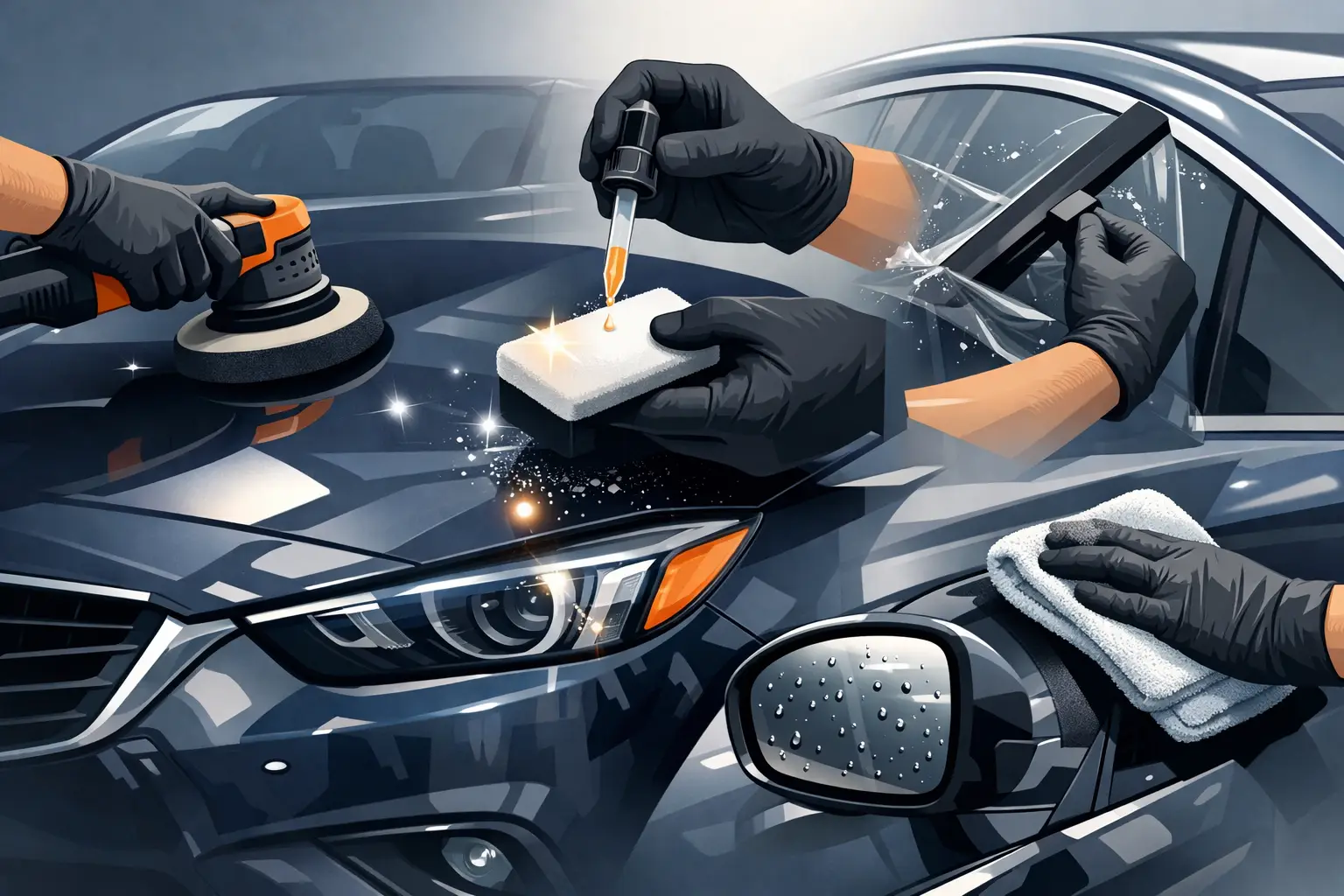
A ceramic coating should make vehicle ownership easier, not turn every wash into a complicated project. The key to how to maintain ceramic coated cars is using the right process consistently. A properly coated vehicle will shed water, resist bonded contamination, and hold its gloss longer, but it still needs routine washing and careful drying to perform as intended.
For Metro Detroit drivers, that routine matters even more. Road salt, construction dust, tree sap, pollen, and winter grime can sit on a coated surface for weeks if they are not addressed. Ceramic coating provides a highly durable protective layer, but it is not a force field against dirt, scratching, or chemical exposure.
What a Ceramic Coating Does - and Does Not Do
Ceramic coatings bond to the vehicle's clear coat and create a slick, chemical-resistant surface. That surface improves water behavior, makes routine washing easier, and helps limit damage from UV exposure, bird droppings, bugs, and everyday contamination. It also creates the deep gloss and crisp reflections many owners want from a professionally protected vehicle.
What it does not do is make paint scratch-proof. Automatic wash brushes, dirty towels, abrasive wash mitts, and improper drying can still create swirls. A coating also cannot stop rock chips, deep scratches, or dents. For high-impact areas such as bumpers, hoods, mirrors, and rocker panels, paint protection film is the stronger option against physical road damage.
Understanding that distinction prevents the most common maintenance mistake: treating a ceramic-coated vehicle as though it no longer needs careful washing.
How to Maintain Ceramic Coated Cars With Safe Washes
The best maintenance plan is simple: wash the vehicle before contamination has time to bond to the coating. For most daily drivers, every one to two weeks is a good target. During a Michigan winter, more frequent rinsing may be necessary when salt and brine are present. If the vehicle is driven less often or stored indoors, wash based on visible buildup rather than the calendar.
Start with a thorough rinse. This removes loose grit before you touch the paint, reducing the chance of dragging abrasive particles across the surface. A foam pre-wash or pH-neutral soap can help loosen heavier road film, especially around lower doors, wheel arches, and the rear of the vehicle.
Use a clean microfiber wash mitt and the two-bucket method when washing by hand. One bucket holds your soap solution, while the second bucket holds clean rinse water for releasing dirt from the mitt between passes. Work from the top down, because lower panels carry the heaviest contamination. Use light pressure and let the soap do the cleaning rather than scrubbing aggressively.
A quality pH-neutral car shampoo is the safest default. Avoid household dish soap, harsh degreasers, or strong alkaline cleaners on painted surfaces unless they are specifically designed for automotive use and properly diluted. These products may not immediately remove the ceramic coating, but repeated use can reduce its water-repelling behavior and leave the finish looking flat or streaky.
Avoid Brush Tunnels Whenever Possible
A brush-style automatic car wash is one of the fastest ways to add swirls to a glossy finish. The brushes may hold dirt from hundreds of vehicles, and that debris can mar even a well-coated clear coat. Ceramic coating can make those marks less likely than bare paint in some situations, but it cannot eliminate the risk.
A touchless wash is a better option when a hand wash is not practical. It is especially useful for removing loose salt in winter. The trade-off is that touchless systems may use stronger chemicals and will not always remove all road film. Follow it with a proper hand wash when conditions allow, and do not use the touchless wash as the only maintenance plan.
Drying Matters as Much as Washing
Water spotting is one of the most common complaints from ceramic coating owners. The coating causes water to bead and sheet, which looks great, but mineral-heavy water can still leave deposits behind as it dries. Those spots are not always coating failure. Often, they are mineral residue sitting on top of the surface.
Dry the vehicle promptly with clean, high-quality microfiber drying towels. A dedicated car dryer or filtered air blower is also effective for mirrors, grilles, badges, wheels, and body lines where water collects. Pat or glide the towel across the paint with minimal pressure. Never use a towel that has touched the ground, and retire towels that feel rough or contaminated.
If you notice fresh water spots, address them soon with a coating-safe water spot remover rather than rubbing harder with a dry towel. Older, etched spots may require professional correction, depending on how long they were left in the sun and whether the minerals affected the clear coat.
Use Maintenance Products That Support the Coating
Ceramic coating maintenance sprays can refresh slickness, gloss, and water behavior after washing. They are not a replacement for the coating itself, and they will not repair a damaged surface, but they can be useful between professional inspections. Choose products labeled as ceramic-safe or compatible with coated finishes.
Use them sparingly. Overapplying a topper can create streaks, hazing, or uneven water behavior, particularly in humid conditions. Apply it to a clean, cool surface, use a small amount, and level it with a separate clean microfiber towel. If the vehicle already looks and performs well after washing, it may not need a topper every time.
Be careful with products marketed as "ceramic" without clear instructions. Some contain durable sealants, fillers, or strong solvents that may not be necessary for your coating. A professional installer can recommend maintenance products that match the specific coating system on your vehicle.
Deal With Contamination Before It Becomes a Problem
Bird droppings, bug splatter, tree sap, and fuel spills should be removed as soon as practical. These contaminants can be acidic or sticky, and their effect depends on heat, sunlight, and contact time. Even a premium coating has limits when contamination bakes onto a hot panel.
Keep a clean microfiber towel and a coating-safe quick detailer in the vehicle for small incidents. Spray the affected area, allow the product to soften the contamination, then lift it away gently. Do not scrape at dried sap or rub a dirty panel dry.
Brake dust also deserves attention. Clean wheels regularly with a non-acidic wheel cleaner that is safe for coated surfaces. Wheels collect heat and metallic fallout, and neglected brake dust can become increasingly difficult to remove. If the wheels were ceramic coated, routine cleaning should be noticeably easier, but they still need attention.
Seasonal Care for Metro Detroit Vehicles
Winter is the hardest season for exterior protection. Salt, slush, and liquid de-icer can accumulate in door jambs, wheel wells, behind mud flaps, and along rocker panels. Rinse these areas regularly, even when a full wash is not possible. A quick undercarriage rinse can help reduce the buildup that contributes to corrosion and a neglected appearance.
In spring, inspect the paint for bonded contamination and reduced water behavior. If washing no longer restores the smooth feel and beading you expect, the coating may be clogged with minerals, industrial fallout, or road film. This does not automatically mean the coating is gone. A professional decontamination wash can often restore performance without aggressive polishing.
Summer brings UV exposure, bug residue, sprinkler water, and tree sap. Parking in a garage or shaded area helps, but no vehicle stays perfectly clean outdoors. The practical goal is to avoid letting contamination sit long enough to etch or stain the finish.
Know When Professional Maintenance Is Worth It
A ceramic coating should be inspected periodically, particularly after a harsh winter or before selling a vehicle. Professional maintenance can include decontamination, coating-safe cleaning, inspection of water behavior, and recommendations for areas that need correction or added protection.
Professional help is also the right move if you see persistent spotting, dullness, unusual streaking, or roughness that does not improve after a careful wash. Trying stronger chemicals or aggressive clay bars at home can create more work than it solves. The goal is to preserve both the coating and the clear coat underneath it.
MYNT Customs helps owners protect the finish they invested in with professional detailing and coating maintenance tailored to real driving conditions. A well-maintained ceramic coating keeps its value where it matters most: in a vehicle that stays cleaner, looks sharper, and remains easier to care for through every season.
The best closing habit is also the simplest: do not wait for the vehicle to look neglected before washing it. Consistent, gentle care protects the gloss you see today and the paint value you will appreciate years from now.