Dearborn Window Tint Shop: What Quality Looks Like
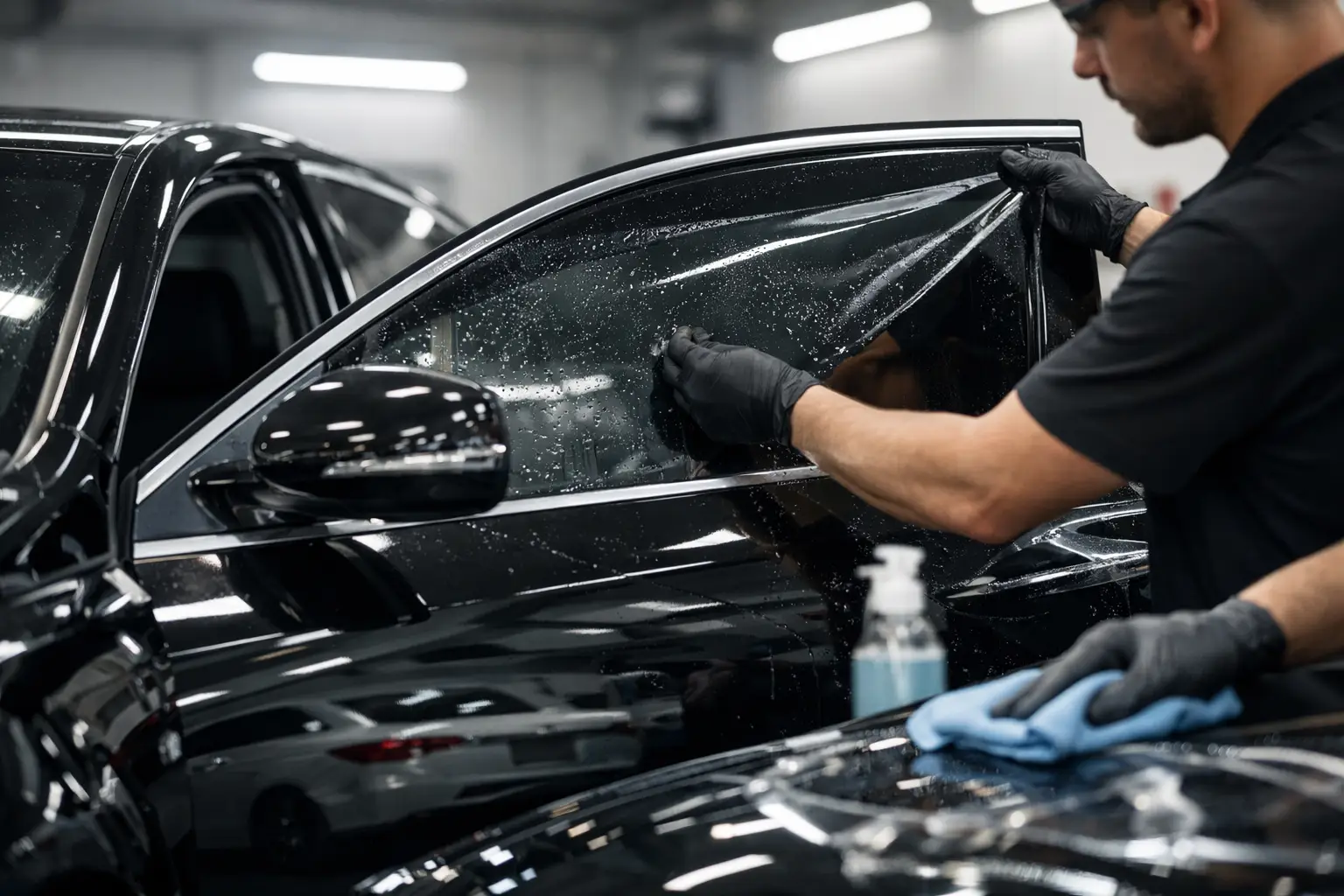
A vehicle parked outside a Dearborn restaurant, office, or shopping center can feel dramatically different after a quality tint installation. The right film reduces glare, helps manage cabin heat, protects interior materials from UV exposure, and gives the vehicle a cleaner, more finished appearance. But a Dearborn window tint shop should offer more than a darker look. The film selection, installation process, and post-installation support determine whether the result holds up for years or starts showing flaws within months.
For drivers who care about appearance and long-term value, window tint is a practical upgrade that should be selected with the same care as paint protection film, ceramic coating, or detailing.
Start With the Result You Want From Window Tint
Window tint is not a one-size-fits-all service. Some owners want better privacy for a daily driver. Others are focused on heat rejection during summer commutes, reduced glare on longer drives, or protecting leather, trim, and screens from harsh sunlight. A performance car owner may prioritize a sharp, uniform appearance, while a leased vehicle owner may want a conservative upgrade that remains practical and compliant.
A good shop starts by asking how you use the vehicle. That conversation matters because visible darkness and heat rejection are not the same thing. A lighter, higher-quality ceramic film can often reject more heat than a darker entry-level film. If summer comfort is your main concern, choosing film by shade alone can leave you disappointed.
The vehicle itself also affects the recommendation. Large windshields, panoramic roofs, light-colored interiors, and black leather can make heat buildup more noticeable. If you regularly carry children, pets, equipment, or clients, glare control and UV protection may matter as much as appearance.
Film Type Makes a Real Difference
The lowest-cost tint options can improve privacy and appearance, but they are not always the best value over time. Film technology affects color stability, clarity, signal performance, and solar heat rejection.
Dyed Film
Dyed film is commonly selected for a darker appearance at a lower initial price. It can reduce visible light and glare, but its heat rejection is typically more limited than higher-end options. Over time, lower-quality dyed films may be more likely to fade, shift color, or develop a purplish tone.
It can make sense for a budget-focused installation, especially when appearance is the primary goal. The trade-off is that it may not deliver the comfort, longevity, or refined finish expected from a premium vehicle care service.
Carbon Film
Carbon tint is a step up for drivers who want a darker, more consistent look without relying on metallic material. It generally offers better heat control than basic dyed film and helps maintain a rich black appearance. It is often a strong middle-ground choice for daily drivers that need a noticeable upgrade without moving to the highest price tier.
Ceramic Film
Ceramic tint is designed for drivers who want strong solar heat rejection, UV protection, and clear visibility. It uses non-metallic ceramic particles, which means it can help manage heat without commonly interfering with phone, GPS, radio, or keyless-entry signals.
This is often the right choice for luxury vehicles, newer vehicles with advanced technology, and drivers who spend substantial time on Metro Detroit roads. Ceramic film costs more upfront, but the difference can be clear on hot days. A cabin that stays more comfortable also places less demand on the air conditioning system.
Legal Tint Should Be Part of the Conversation
Michigan window tint regulations affect where tint can be installed and how dark it can be. A professional installer should discuss the current rules before work begins and help you make an informed decision about film shade and placement.
Do not assume a film that looks good on another vehicle is the right fit for yours. Factory glass can already have a slight tint, and the final visible light transmission is based on the glass and film together. A reputable shop uses a tint meter when needed rather than relying on guesswork.
There is also a practical side beyond compliance. Very dark film can reduce nighttime visibility, especially in rain, snow, poorly lit parking areas, and construction zones. The right shade balances privacy and style with confident visibility behind the wheel. That balance is different for every driver.
What a Quality Installation Process Includes
The best film in the world cannot overcome rushed installation. A clean, controlled process separates professional work from a tint job that looks acceptable for a few weeks and then begins to show its weaknesses.
Before film is applied, the glass should be carefully cleaned to remove dust, fingerprints, debris, and residues. Even tiny contaminants can create visible specks under the film. Door panels, seals, and interior surfaces should also be protected during the process, particularly on vehicles with premium trim or sensitive electronics.
The installer should cut and fit the film precisely around each window. Clean edges matter. Film should sit properly near the glass border without obvious gaps, ragged cuts, lifted corners, or unnecessary overlap. Rear windows require additional skill because the film must be heat-shaped to match the curvature of the glass.
A few small moisture pockets or a slightly hazy look can be normal immediately after installation. Tint needs time to cure as moisture evaporates through the film. That is different from trapped dirt, creases, bubbling, or edges that fail to adhere. A quality shop explains what is normal during curing and what should be brought back for inspection.
Questions to Ask a Dearborn Window Tint Shop
Before scheduling service, ask what brand and series of film will be installed, what the warranty covers, and whether the warranty is backed by the film manufacturer. The answer should be specific. “Lifetime warranty” sounds reassuring, but it means little without clarity around fading, peeling, bubbling, color changes, and workmanship.
Ask whether the shop has experience with your vehicle type, especially if it has frameless windows, advanced driver-assistance cameras, a rear defroster, or a panoramic roof. These details do not make tint impossible, but they do require care.
It is also reasonable to ask how the installer handles older vehicles with fragile weather stripping or existing tint. Removing old film can be more involved than installing new film, particularly when adhesive is bonded to rear glass near defroster lines. A transparent assessment before the work starts is a better sign than a price quote that ignores the condition of the vehicle.
Tint Is More Effective When It Supports a Complete Care Plan
Window tint protects the cabin, but it does not protect exterior paint from rock chips, road salt, staining, or wash-related marring. For a vehicle that is new, recently corrected, or intended for long-term ownership, pairing tint with the right exterior protection creates a more complete result.
Paint protection film is suited to high-impact areas such as the front bumper, hood, mirrors, and rocker panels. Ceramic coating helps make exterior surfaces easier to clean and enhances gloss. Professional detailing keeps the interior and exterior looking maintained between larger protection services.
At MYNT Customs, the goal is not to push every service onto every vehicle. It is to build a protection plan around how the vehicle is driven, stored, and maintained. A daily commuter may need a different approach than a weekend sports car or a leased SUV preparing for turn-in.
Care After Installation Protects the Finish
Once tint is installed, follow the curing guidance provided by the shop. Avoid rolling down the windows until the film has had the recommended time to set. During the first several days, small water pockets may remain as the film cures, particularly in cooler weather.
After curing, use a soft microfiber towel and ammonia-free glass cleaner. Avoid abrasive pads, harsh chemicals, and scraping tools on the inside of tinted windows. These simple habits help preserve the film’s finish and prevent edge damage.
A quality tint installation should look intentional from every angle: clean edges, consistent shade, clear sight lines, and no distraction from the vehicle’s design. Choose a shop that treats window tint as a precision protection service, not a quick add-on. The right film and careful installation make every drive more comfortable while helping the interior stay closer to the condition you want to keep.